All Categories

Get a Free Quote

Our representative will contact you soon.
Email
Mobile/WhatsApp
Name
Company Name
Message
0/1000
commercial ice maker buying guide how bars  restaurants choose the right commercial icemaking machine-0

News

Home >  News

Commercial Ice Maker Buying Guide: How Bars & Restaurants Choose the Right Commercial Ice‑Making Machine

2026-09-08

Ice is a core piece of equipment often overlooked in the operation of bars, restaurants and beverage shops. Consistent, high‑quality ice directly affects drink flavour, customer experience and store operational efficiency. Many business owners only compare prices when purchasing ice makers, ignoring actual ice‑making capacity, ice shapes and long‑term maintenance. As a result, problems such as insufficient ice supply, fast‑melting ice and frequent machine failures occur during peak business hours.

This buying guide outlines key considerations for selecting commercial ice makers and introduces professional commercial ice‑making solutions from Guangdong Jingbaiyu Refrigeration, a manufacturer with over 20 years of experience producing commercial refrigeration equipment.

I. Key Factors to Consider When Purchasing a Commercial Ice Maker

1. Confirm Actual Ice‑Making Output and Ice‑Storage Bin Capacity

The 24‑hour ice‑making capacity marked on equipment is mostly tested under ideal laboratory conditions. Actual ice production drops in high‑temperature back‑of‑house kitchens. Calculate ice consumption during your store’s peak hours. It is recommended to reserve 20‑30 % extra capacity to cope with surging customer flow in summer.

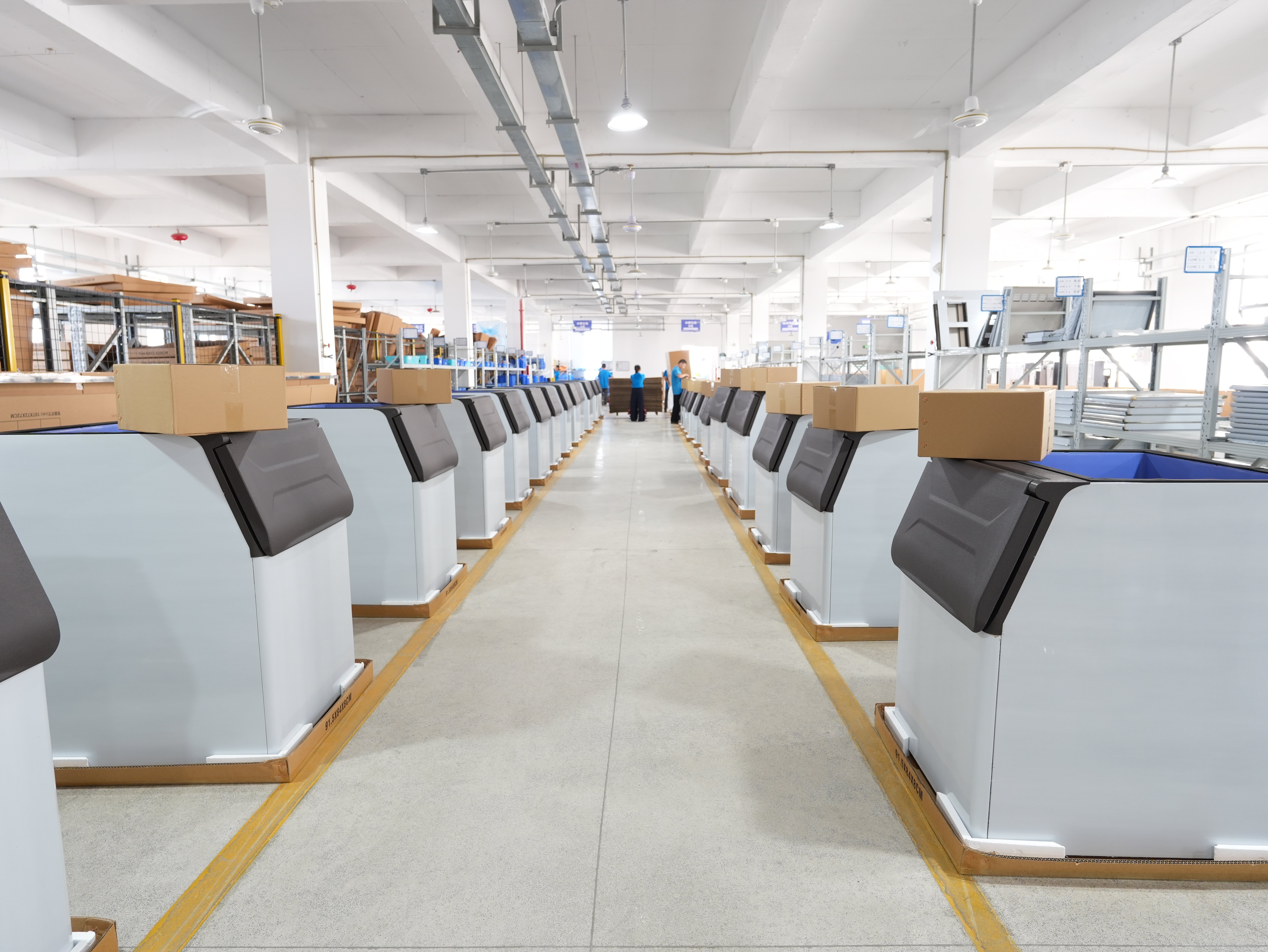
The ice‑storage bin is equally important. Even with strong ice‑making performance, an undersized bin will cause frequent machine shutdowns, leading to ice shortages at peak times. Small cocktail bars may opt for under‑counter all‑in‑one models. For high‑volume restaurants and cocktail bars, split‑type ice makers paired with large‑capacity independent ice bins work better.
DSC01387.JPG

2. Select Ice Shape to Match Your Business Scenarios

Different ice forms suit different business applications:
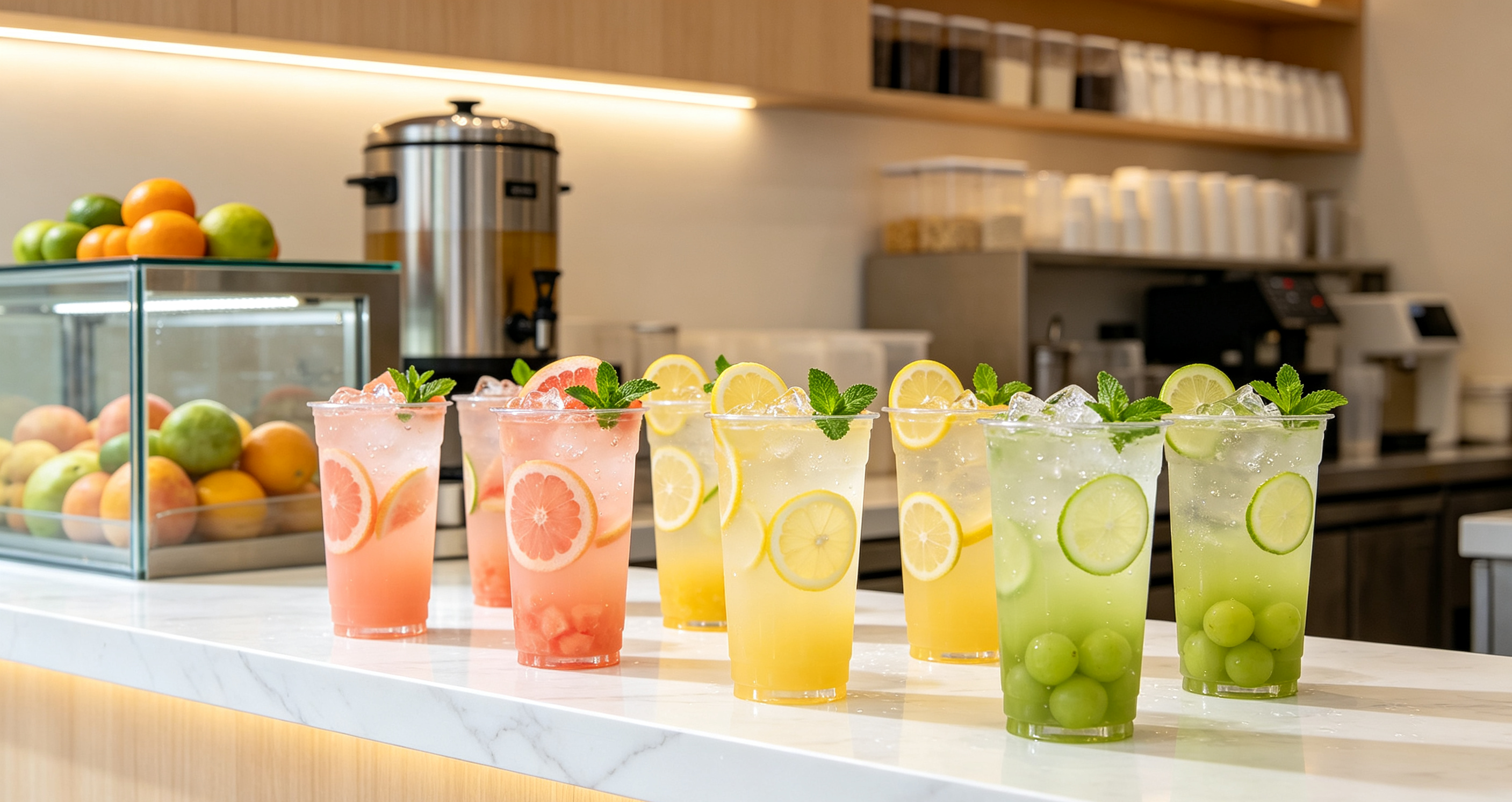
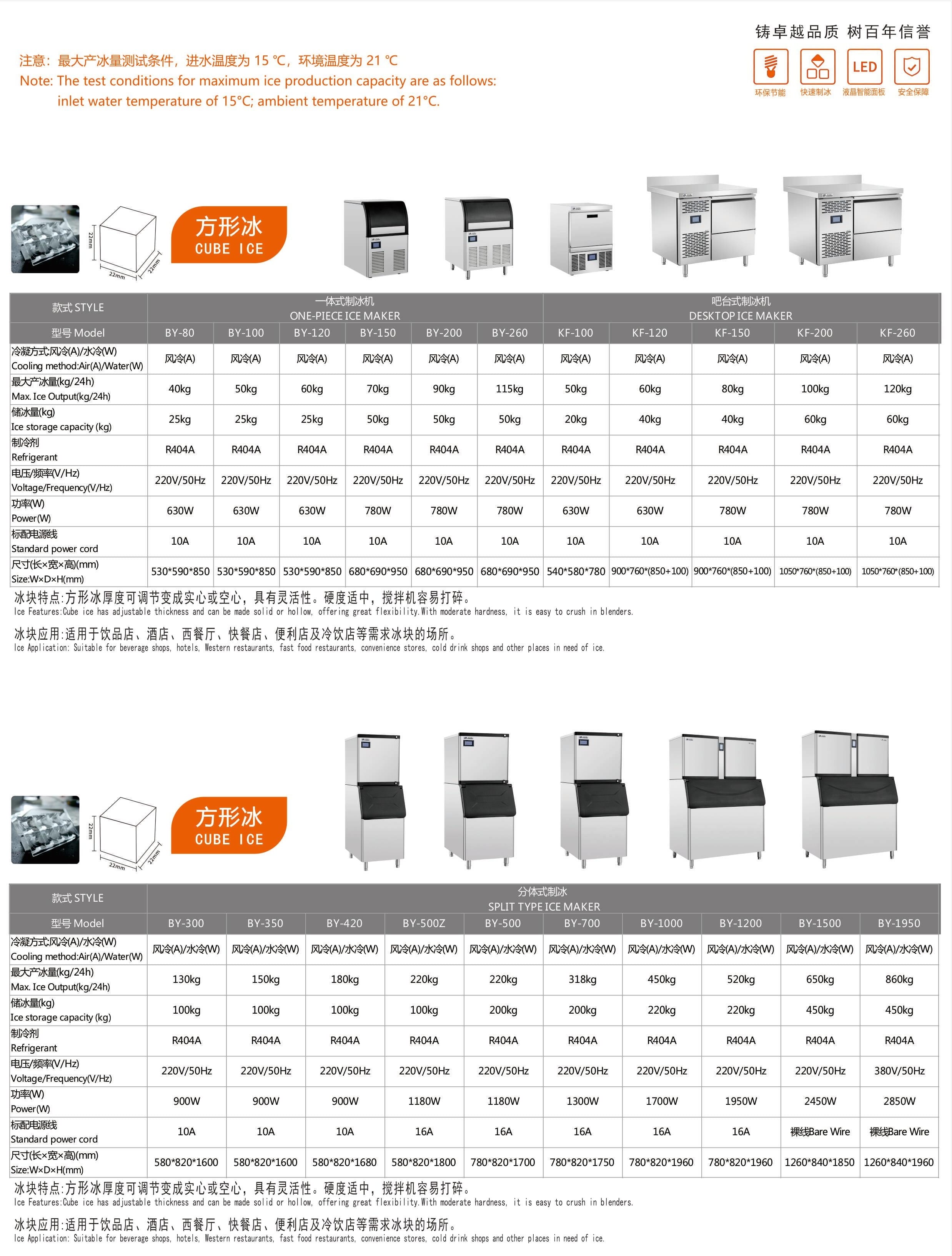
  • Cube Ice: Regular cubic shape with moderate hardness. It avoids rapid melting that dilutes drinks while delivering fast cooling. Many units support switching between solid and hollow ice as needed. Choose solid ice for long‑lasting cooling, or hollow ice for faster ice output. Ideal for cocktail bars, restaurants and soda‑specialty shops. It is the most versatile and reliable option for general use.
  • Half‑Cube Ice: Fully solid structure with uniform texture. Its hardness sits between full cube ice and crescent ice. It strikes an optimal balance between melting rate and cooling efficiency — keeping drinks refreshing without melting too quickly to dilute tea‑based beverages. Perfect for mixed drinks and milk‑tea shops; a dependable choice for high‑volume beverage preparation.
  • Flake Ice: Fine, soft ice particles with a large surface area. It quickly covers display counters and creates low‑temperature conditions to keep ingredients optimally chilled. Used for seafood displays and fresh‑ingredient preservation. It functions both as a cooling tool and a visual enhancement for service counters.
  • Crescent Ice: Crystal‑clear, fully‑solid crescent‑shaped ice with high hardness and minimal contact surface. It melts slowly and maintains low temperatures for long periods with barely any dilution — a highly valued feature for flavour‑focused settings. Suitable for neat whisky and spirits, as well as cold drinks in coffee shops. Slow‑melting premium ice itself adds product value.
  • Large Cube Ice: Well‑defined, large‑volume ice with high cold‑storage capacity and long‑lasting stable cooling. Its impressive visual effect elevates drink presentation. Great for high‑end bars, signature house‑made drinks and viral social‑media beverage offerings. It helps build signature drinks and boost average order value.
  • Cylinder Ice: Smooth, elegant rounded shape with substantial cold‑storage capacity. It melts evenly and slowly to sustain low temperatures. It delivers a premium look in clear glassware, cooling drinks without overpowering flavours. Suitable for high‑end venues including bars and coffee shops. It elevates classic cocktails, iced pour‑over drinks and sparkling specialty beverages.

鲜果茶饮店铺场景图生成.png

Jingbaiyu supplies ice‑maker models producing cube ice, half‑cube ice, crescent ice, flake ice, large cube ice and cylinder ice. These serve bars, restaurants, coffee shops, hotels, seafood restaurants and many other businesses.

3. Air‑Cooled vs Water‑Cooled Heat Dissipation

Air‑cooled units are simple to install and moderately‑priced, suitable for bars and shops with good ventilation. Water‑cooled units deliver more stable performance in hot, poorly‑ventilated back‑of‑house kitchens. Jingbaiyu offers models available in both air‑cooled and water‑cooled configurations for flexible selection.

4. Sanitary Maintenance and After‑Sales Support

Commercial ice makers run continuously for long periods. Prioritise models with auto‑cleaning functions, food‑grade stainless‑steel inner tanks and easily‑disassembled structures for effortless cleaning, to comply with food‑safety standards.

Avoid obscure no‑brand products with no after‑sales support.

As a direct Chinese manufacturer of ice‑making machines, Guangdong Jingbaiyu supports OEM / ODM customisation. Our products hold complete certification documents, and we provide technical guidance and comprehensive after‑sales services.

II. Practical Purchasing Tips for Restaurants & Bars

  • Reserve sufficient space for machine installation and heat dissipation.
  • Use a water filter to reduce limescale and extend machine service life.
  • Do not rely solely on name‑plate specifications; always build extra capacity for peak‑hour ice demand.

From small cocktail bars and mid‑size restaurants to large‑chain beverage outlets, Jingbaiyu ice makers cover daily ice‑making capacities of 40 kg‑860 kg. Our product range includes under‑counter integrated units as well as large split‑type machines to satisfy diverse operational requirements.
方形冰.jpeg

Conclusion

A well‑chosen commercial ice maker is more than just back‑of‑house hardware — it is an investment in stable store operation. Clarify your peak‑hour ice demand, confirm ice type, cooling mode and after‑sales support, and you can avoid common purchasing pitfalls. If you need a complete custom ice‑making solution for bars or restaurants, please contact our sales team.

Contact Us for your personalised quotation.

commercial ice maker buying guide how bars  restaurants choose the right commercial icemaking machine-1
commercial ice maker buying guide how bars  restaurants choose the right commercial icemaking machine-2

Get a Free Quote

Our representative will contact you soon.
Email
Mobile/WhatsApp
Name
Company Name
Message
0/1000

Contact Us

SEND