 EN

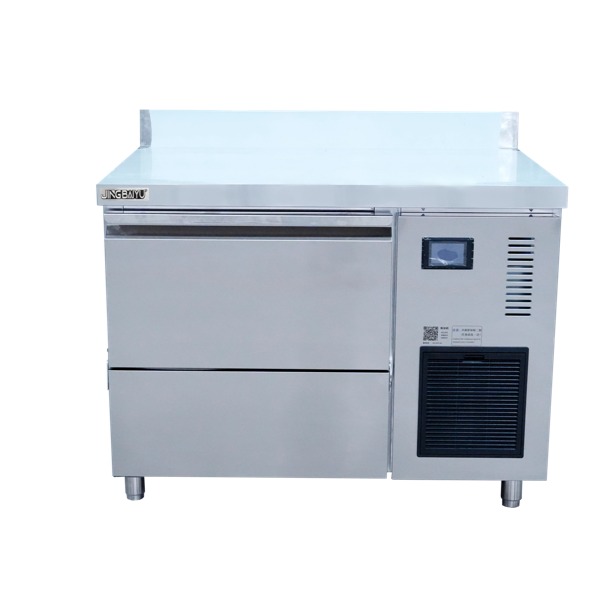
Match Ice Production Capacity to Peak Demand
Selecting the right commercial ice maker starts with matching output to peak demand—not average daily use. Many venues consume half their daily ice during just three to four high-traffic hours, so capacity planning must reflect when ice is needed most, not just how much is used over 24 hours.
120 lbs/day output: Sustaining service flow in cafes, bars, and quick-service restaurants
A 120 lbs/day output can sustain steady service in lower-volume cafés—but only when aligned with actual traffic patterns. The foodservice standard is 1.5–2 lbs of ice per customer per day. A small café serving 80 customers daily therefore needs 120–160 lbs, placing a 120 lb/day unit at the lower edge of sufficiency. During peak windows—like lunch rushes or weekend shifts—units rated exactly at average demand often fall short. To maintain consistent service in bars and quick-service restaurants, operators should add a 20–30% buffer above average needs. This prevents staff from waiting for ice, reduces drink ticket delays, and stabilizes back-of-house workflows—even as ambient temperatures rise and production dips slightly. A 120 lb/day unit may suffice for a low-traffic café with predictable volume, but it’s typically insufficient for busy bars or high-turnover QSRs.
12–18 minute cycle times: Minimizing wait during rush hours without overloading staff
Cycle time—the duration between freeze-and-harvest batches—directly impacts availability during surges. A 12–18 minute cycle enables multiple fresh batches during a 90-minute lunch rush, supporting continuous scooping without interruption. In contrast, units with 30+ minute cycles risk bottlenecks when multiple drink tickets arrive simultaneously. Faster cycles also discourage staff from hoarding ice or overfilling bins during slow periods—a practice that increases contamination risk. Because warmer incoming water or ambient air can extend cycle time, operators should verify rated performance under real-world conditions—not just lab specs. Matching cycle time to peak service windows keeps ice reliably available at the beverage station and lets employees focus on service, not shortage management.
Ensure Operational Reliability with Commercial-Grade Ice Maker Design
Commercial-grade units are engineered for continuous, high-stress operation. Reinforced compressors, thicker evaporator plates, and accessible service panels reduce common failure points. For busy kitchens, selecting a robust ice maker is a margin protection decision—not just an equipment choice.
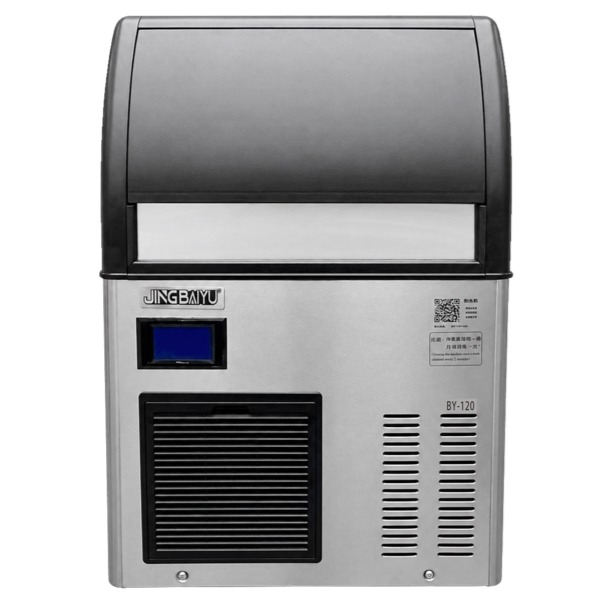
Downtime cost analysis: $240–$650/hour losses in high-volume foodservice venues
A single mid-shift breakdown can stall beverage service, delay food prep, and inflate labor costs. Industry data shows downtime in high-volume foodservice venues incurs $240–$650 per hour in lost sales, overtime, and emergency repair expenses (2024). These figures rise further when operators resort to bagged ice or close stations entirely. Commercial-grade design mitigates this risk through fewer moving parts, corrosion-resistant cabinets, and quick-access filtration. Preventative features—including cycle-count diagnostics and automatic alerts—enable staff to resolve minor issues before they escalate into rush-hour failures. Leading manufacturers test compressors for extended duty cycles and use stainless steel evaporators to resist scale buildup. Over five years, lower unplanned downtime can prevent tens of thousands of dollars in revenue leakage—making reliability a core purchasing criterion, not just an engineering detail.
Reduce Total Cost of Ownership with DOE-Certified Energy Efficiency
For commercial kitchens, an ice maker often runs 24/7—so energy consumption shapes total cost of ownership far more than the initial purchase price. DOE-compliant commercial ice maker models cut energy use by 28–42% compared with standard units, according to AHRI 2023 test data. That reduction directly lowers monthly utility bills and shortens the payback period—even when production capacity remains unchanged. Because ice production is continuous, even a 20% efficiency gain translates into measurable annual savings, especially in high-volume settings. Over a 7–10 year equipment life, a high-efficiency ice maker can save thousands of dollars in energy costs while reducing strain on building electrical systems. Operators should compare rated kilowatt-hours per 100 pounds of ice—not just upfront price—because lower operating costs accumulate every cycle. Review the DOE EnergyGuide label or AHRI directory to compare annual energy use before buying. This approach makes DOE-certified efficiency one of the most practical ways to control long-term expenses without sacrificing output or speed.
Support Sustainability Goals and Brand Reputation
Choosing a high-efficiency commercial ice maker strengthens both sustainability metrics and brand reputation. LEED v4.1 offers Energy and Atmosphere and Water Efficiency credits when the unit meets DOE or ENERGY STAR performance levels. Many local green building codes—including CALGreen and IgCC-based ordinances—recognize similar efficiency thresholds, reducing documentation burdens for operators. This alignment allows foodservice and hospitality teams to pursue certification while lowering operating costs. In addition, sustainability-linked brand positioning can increase consumer trust and support, reinforcing customer loyalty. Recording the ice maker’s verified energy and water performance creates a visible, credible case for green building compliance and long-term value.
FAQ
What is the significance of matching ice production capacity to peak demand?
Matching ice production capacity to peak demand ensures that your ice maker can handle high-traffic periods without running out of ice, which is crucial for maintaining smooth operations in busy venues.
How much ice does a typical commercial venue need per customer?
The foodservice standard is 1.5–2 pounds of ice per customer per day.
Why are cycle times important for ice makers?
Cycle times impact how quickly fresh batches of ice are available during busy periods. Faster cycles minimize wait times and avoid bottlenecks in service.
What are the potential losses from ice maker downtime in high-volume venues?
Downtime can lead to losses of $240–$650 per hour in high-volume venues due to lost sales, delayed operations, and increased labor costs.
How does energy efficiency affect the cost of owning an ice maker?
Energy-efficient ice makers reduce energy consumption by 28–42%, significantly lowering utility bills and the total cost of ownership over the equipment's life span.
How does a high-efficiency ice maker support sustainability goals?
High-efficiency ice makers meet DOE or ENERGY STAR standards, earning LEED credits and supporting sustainability-linked brand positioning, which can increase consumer trust and loyalty.