 EN

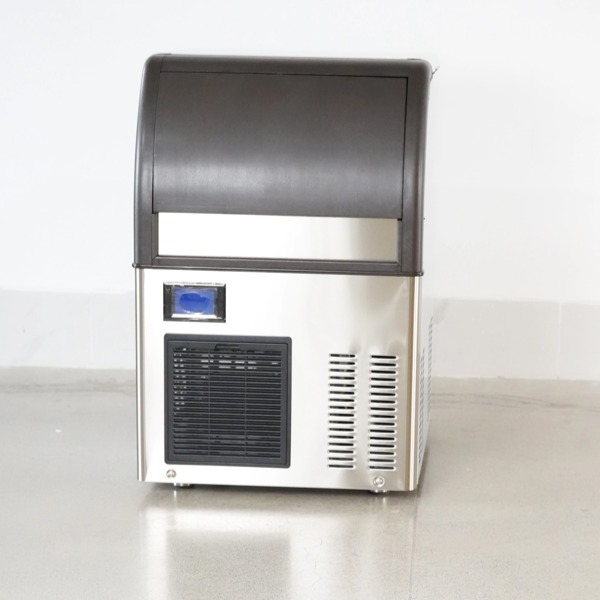
Consistent Ice Production in Extreme Heat
A water-cooled ice maker is a better fit for hot climates because it rejects heat through water instead of ambient air—keeping the condensing unit stable when outdoor temperatures rise above 95°F.
How water-cooled ice makers maintain stable condenser temperatures above 95°F
Water-cooled condensers use a continuous flow of water to absorb heat from the refrigerant. Because water has higher thermal conductivity and specific heat than air, it removes heat far more efficiently. At 100°F ambient, an air-cooled condenser may see refrigerant condensing temperatures climb to 130°F or higher; a water-cooled unit supplied with 75–85°F water maintains condensing temperatures near 105–115°F. This lower condensing pressure reduces compressor work and sustains consistent ice production. A water-regulating valve dynamically adjusts flow to match heat load—preventing wide swings in refrigerant pressure and cycle length. Since water absorbs about four times more heat per pound than air, the condenser stays cool without relying on fan airflow—a critical advantage in kitchens where exhaust heat and poor ventilation degrade air-cooled performance. In 2026 desert field trials, units with stable condenser water maintained output within 6% of rated capacity above 95°F. Operators should monitor water pressure and temperature daily to keep the condenser approach temperature below 15°F. Scale buildup can reduce heat transfer by up to 30%, so filtration and periodic cleaning are essential.
Performance comparison: Air-cooled vs. water-cooled ice output drop at 104°F ambient
At 104°F ambient, air-cooled ice makers lose significantly more output than water-cooled models. A 2026 desert cooling study found that air-cooled machines can lose 3.2 lbs of ice per hour for every 10°F above design temperature—translating to a 28–35% daily production drop compared with a 70°F baseline. Water-cooled units typically show only a 4–8% reduction under the same conditions. The difference stems from stable head pressure and lower compressor discharge temperatures: air-cooled systems rely on increasingly ineffective warm ambient air for heat rejection, while water-cooled systems use municipal or cooling-tower water often 20–30°F cooler than the surrounding air. This narrower temperature lift preserves predictable ice output.
| Metric | Air-cooled at 104°F | Water-cooled at 104°F |
|---|---|---|
| Ice output drop vs. 70°F baseline | 28–35% | 4–8% |
| Typical condensing temperature | 130–145°F | 105–115°F |
| Compressor runtime increase | 35–50% | 5–10% |
This performance gap explains why facilities in hot regions prefer water-cooled systems—to protect peak service periods like lunch and dinner rushes and minimize reliance on backup ice deliveries.
Higher Reliability for 24/7 Commercial Use
Extended mean time between failures (MTBF) in hot, high-demand environments
Water-cooled ice makers are engineered for continuous operation in hot, high-demand environments because their condensers bypass ambient air—often exceeding 100°F—and instead transfer heat to a controlled water loop. This keeps compressor discharge temperatures stable and reduces thermal stress. Field service records from desert kitchens indicate these units deliver a mean time between failures (MTBF) roughly 40% longer than comparable air-cooled models operating above 95°F ambient, per the 2026 industry maintenance survey. Lower compressor temperatures also slow refrigerant oil degradation and prevent nuisance high-pressure trips during peak meal periods. For facilities serving hundreds of guests daily, this means fewer unscheduled repairs and more dependable ice availability. In contrast, air-cooled condensers under the same conditions frequently suffer reduced efficiency, overheating shutdowns, and accelerated wear on fan motors—the water-cooled approach trades modest water use for measurable reliability.
Real-world validation: Zero downtime in a Phoenix hotel kitchen over 18 months
An 18-month field case documented in 2024 tracked a water-cooled ice maker in a Phoenix hotel kitchen where ambient temperatures regularly exceeded 100°F. The unit produced more than 700 pounds (318 kg) of ice per day for banquets, room service, and bar operations—with zero unplanned downtime. Its water loop rejected heat so effectively that the compressor cycled normally even when outdoor air reached 115°F. Maintenance was limited to scheduled descaling and filter changes, with no high-pressure lockouts or condenser fan failures. This level of reliability is especially critical during summer months, when air-cooled units in similar desert locations often experience output loss and emergency service calls. For any foodservice operation that cannot tolerate an ice shortage, the water-cooled ice maker delivers a proven, low-risk path to uninterrupted supply.
Total Cost of Ownership: Energy, Water, and ROI in Desert Climates
Balancing reduced electricity use against municipal water costs
Water-cooled ice makers reduce electrical load by rejecting heat into water rather than fighting hot ambient air. ASHRAE performance data confirm air-cooled condenser capacity drops sharply above 95°F ambient (ASHRAE, 2026 HVAC Applications Handbook). By maintaining lower, more stable condensing temperatures, water-cooled systems reduce compressor energy use and hold ice output steadier. The trade-off is water consumption—for condenser heat rejection and periodic flushing to prevent scale. In desert cities, water rates vary widely, so the net operating cost depends on local utility pricing. Facility managers should compare daily electricity savings against daily water fees. When ambient temperatures remain above 100°F for extended periods, reduced compressor run time often lowers peak demand charges. In many cases, the energy savings outweigh added water costs—though facilities with high water rates may benefit from a dedicated recirculating system or connection to an existing chiller or cooling tower loop to control expenses.
Lifecycle ROI analysis for water-cooled ice maker installations in arid regions
A lifecycle return on investment (ROI) analysis for water-cooled ice makers in arid regions must weigh initial premium cost against utility savings, maintenance reductions, and extended service life. While air-cooled units carry a lower upfront price, they operate harder—and less efficiently—in desert heat, shortening compressor life and increasing repair frequency. Industry maintenance logs from 2024 indicate water-cooled machines in high-ambient settings achieve 20–30% longer compressor life. That translates directly into fewer unscheduled outages and deferred replacement costs. A typical 400 lb/day water-cooled model may recover its purchase premium within 16–24 months when electricity rates exceed $0.12/kWh and ambient temperatures regularly surpass 100°F. After payback, monthly energy savings contribute directly to operating margin. Over a seven-year lifespan, desert sites commonly realize $4,000–$7,000 in net savings per machine after accounting for water fees. To avoid inflated ROI estimates, managers should include water treatment, filtration, and drainage infrastructure costs in the analysis.
Practical Installation Considerations for Facility Managers
Before specifying a water-cooled ice maker in a hot climate, verify site readiness for water, drainage, power, and service access. Cooling water is the central variable: if a central chiller or cooling tower loop exists, connect to it whenever possible—it reduces municipal water use and improves condenser stability. Otherwise, plan for once-through supply and drain lines sized to the manufacturer’s peak flow requirement at the highest expected ambient temperature.
Confirm incoming water pressure, filtration, and backflow prevention meet local plumbing codes. Scale and sediment impair heat transfer and raise energy use—so install a water meter to track gallons per 100 lb of ice and compare actual consumption against lifecycle assumptions, especially where water rates are high.
Provide a dedicated electrical circuit matched to voltage, phase, and minimum circuit ampacity. Check for voltage drop across long conduit runs—particularly in remote kitchens or outdoor service areas. Maintain at least 30 inches of front clearance and follow the installation manual for rear and side clearances. Use an air gap on drains to prevent cross-contamination.
In unconditioned spaces where ambient temperatures exceed 100°F, insulate remote bin and dispenser lines. Keep condenser water inlet temperature below the manufacturer’s maximum rating—hot incoming water is a leading cause of underproduction. Schedule pre-season commissioning, filter replacement, and water-regulating valve calibration before peak demand begins.
FAQ
What is the main advantage of water-cooled ice makers in hot climates?
Water-cooled ice makers efficiently reject heat using water instead of air, maintaining a stable condensing temperature even in high ambient temperatures above 95°F.
Why do air-cooled ice makers lose more efficiency than water-cooled systems at high temperatures?
Air-cooled systems rely on ambient air to reject heat, which becomes less effective in hot conditions, while water-cooled systems use cooler water to keep heat rejection steady.
How often should water-cooled ice makers be maintained?
The condenser’s water pressure and temperature should be checked daily, and regular descaling and filter cleaning are essential to prevent scale buildup and maintain efficiency.
Is a water-cooled ice maker more cost-effective in desert climates?
Yes, while water costs exist, the reduced electricity use and lower maintenance expenses often result in significant long-term savings, especially in regions with high ambient temperatures.
What should facility managers consider before installing water-cooled ice makers?
Managers should ensure the site is ready with adequate water supply and drainage, appropriate electrical circuits, filtration systems, backflow prevention, and compliance with local plumbing codes.
Table of Contents
- Consistent Ice Production in Extreme Heat
- Higher Reliability for 24/7 Commercial Use
- Total Cost of Ownership: Energy, Water, and ROI in Desert Climates
- Practical Installation Considerations for Facility Managers
-
FAQ
- What is the main advantage of water-cooled ice makers in hot climates?
- Why do air-cooled ice makers lose more efficiency than water-cooled systems at high temperatures?
- How often should water-cooled ice makers be maintained?
- Is a water-cooled ice maker more cost-effective in desert climates?
- What should facility managers consider before installing water-cooled ice makers?