 EN

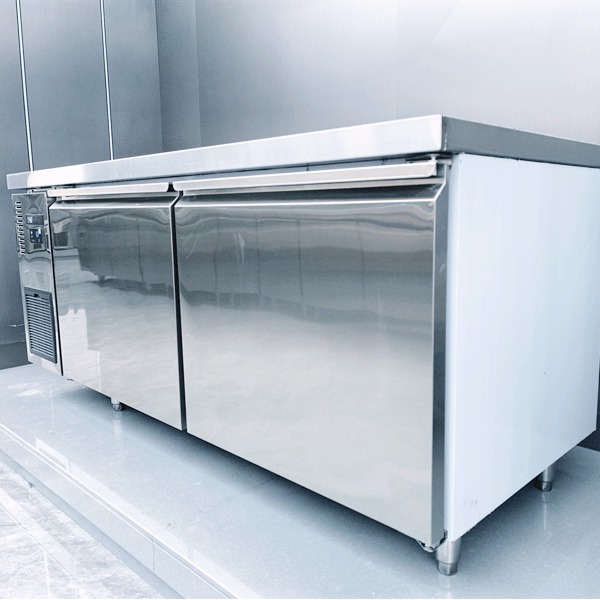
No single freezer type wins every commercial kitchen, because storage volume, product mix, kitchen workflow, and ambient conditions all shape the answer. What engineering can define is the set of characteristics that make any freezer suitable for commercial storage: temperature stability under door-opening traffic, a defrost strategy that does not flood product, food-safe interior construction, and energy performance that survives years of continuous duty. Kitchens that match freezer configuration to workflow hold food safely and control operating costs; kitchens that buy on price alone fight frost, temperature swings, and premature compressor failures. The evaluation framework below separates the variables that matter from the ones that only look important on a specification sheet.
Real-World Industry Case / Scenario
A Hotel Kitchen Comparing Freezer Types
A hotel kitchen needed additional frozen storage and evaluated two freezer configurations: an upright freezer with glass doors for frequent-access items and a chest freezer for bulk frozen goods. Both freezers carried similar rated volumes and the same temperature setpoint. The kitchen ran both units for three months, logging energy consumption, door-opening events, and temperature recovery times after stocking. The upright freezer served front-of-house access efficiently, while the chest freezer held bulk product with the most stable temperatures, since cold air stayed in the box when the lid opened rather than spilling out as it does from an upright door.
The monitoring data produced a clear split. The chest freezer consumed less energy per stored cubic foot and recovered temperature fastest after stocking warm product, because cold air loss is minimal when the freezer lid opens. The upright freezer used more energy in the hot kitchen environment but delivered workflow value the chest could not, since staff could see and reach product without bending or digging. Frost behavior differed as well: the upright automatic defrost cycled predictably, while the chest, with manual defrost, accumulated frost that reduced storage volume and increased running time until the cabinet was cleared. The conclusion was not that one type won, but that each configuration suits a different storage role.
Risk & Failure Mode Analysis
Temperature Fluctuation and Overstocking
Commercial freezers fail food safety through temperature fluctuation long before they fail mechanically. Overstocking blocks freezer airflow paths, so product near the evaporator freezes unevenly while product in dead zones drifts above setpoint. Repeated door openings in a hot kitchen raise freezer interior temperature during each access, and freezer recovery time depends on airflow design and load. Frequent warm stocking, where room-temperature product enters in volume, forces the refrigeration system into extended high-load operation. A freezer with documented recovery performance and a thermostat that reflects product temperature rather than air temperature keeps stored food within safe limits through all of these conditions.
Manual-defrost freezers accumulate frost on the evaporator and interior surfaces, which insulates the heat exchange surface and reduces usable storage volume until the unit is defrosted. Automatic-defrost freezers avoid that accumulation but introduce heater cycles that briefly raise interior temperature, which matters for sensitive products and for energy use. Freezer door or lid gaskets fail through tearing and hardening, and a failed gasket admits moist kitchen air that condenses and freezes, accelerating frost and load. Airflow clearance around the condenser is the third variable: a freezer pushed against a wall or packed with storage on top cannot reject heat, and compressor failure follows predictable overheating.
Technical Principles & Standard Compliance
Temperature Ranges and Refrigeration Design
Commercial freezers for kitchen storage typically hold product in the range of minus 10 to minus 20 degrees Celsius, with standard frozen storage defined at minus 18 degrees Celsius or lower in most food safety frameworks. Freezer refrigeration design determines how consistently that range holds: evaporator sizing, airflow pattern, fan selection, and defrost strategy together decide freezer temperature uniformity and recovery after openings. Freezer compressor selection balances capacity against efficiency, and freezers intended for hot kitchens are rated for higher ambient conditions than domestic equipment. Display and glass-door freezers add thermal load from radiant heat, which is why a commercial kitchen freezer is specified by ambient rating rather than by volume alone.
Standards and Energy Considerations
NSF/ANSI 7 covers commercial refrigerators and freezers, addressing construction, materials, cleanability, and performance for foodservice equipment, and every freezer in commercial service should carry it. Food safety expectations reference the FDA Food Code and HACCP-based procedures for frozen storage, including freezer temperature monitoring and corrective action when limits are exceeded. Freezer energy performance follows DOE commercial refrigeration regulations, and operations comparing freezers benefit from published daily energy consumption figures rather than nameplate compressor horsepower. Together these references give procurement teams an objective basis for comparing freezer specifications beyond price and volume.
Actionable Buyer & Maintenance Guide
Selecting the Right Freezer Configuration
Freezer configuration selection should begin with the storage role. High-frequency access items suit upright or glass-door freezers where visibility and reach matter; bulk storage suits chest freezers where cold retention and energy efficiency dominate. Freezer capacity should be specified against peak inventory rather than average, with allowance for airflow clearance around product. Other freezer specification items include defrost type matched to product sensitivity, ambient temperature rating for the kitchen environment, interior construction with cleanable surfaces, adjustable shelving, and lockable casters. Commercial freezer suppliers such as Guangdong-based Jingbaiyu publish ambient ratings, recovery data, and energy figures that allow like-for-like comparison across freezer configurations.
Maintenance and Monitoring
Freezer reliability depends on simple disciplines. Freezer gaskets should be inspected monthly for tearing and hardening, since a failed seal drives frost accumulation and energy use. Condenser coils require cleaning on a schedule matched to kitchen lint and grease, and airflow clearance around the unit must be maintained. Temperature monitoring should track product temperature rather than air temperature where possible, with alarm limits set to catch drift before product is at risk. Manual-defrost freezers need scheduled defrost cycles that are actually performed, and automatic-defrost freezers benefit from periodic verification that heater cycles are completing. Logging these activities turns maintenance from reactive repair into documented food safety control.
Frequently Asked Questions
Question 1: What temperature should a commercial kitchen freezer hold?
Answer: Most food safety frameworks define standard frozen storage at minus 18 degrees Celsius or lower, and commercial freezers are typically designed to hold product in the minus 10 to minus 20 degrees Celsius range. Freezer monitoring should track product temperature rather than air temperature where possible, because air readings fluctuate with door openings while product temperature reflects what matters for safety. Freezer alarm limits should be set to catch drift before stored product is at risk.
Question 2: Is an upright or chest freezer better for a commercial kitchen?
Answer: It depends on the storage role. Upright and glass-door freezers suit high-frequency access items because visibility and reach support workflow, while chest freezers hold bulk product with more stable temperatures and lower energy use, since cold air does not spill out when the freezer lid opens. Many kitchens run both freezer configurations, matching each freezer to the storage role it performs best rather than forcing one type to serve every purpose.
Question 3: How does defrost type affect freezer performance?
Answer: Manual-defrost freezers accumulate frost that insulates the evaporator and reduces usable freezer volume until defrosting is performed, but they avoid the brief temperature rise of defrost heater cycles. Automatic-defrost freezers maintain capacity and volume without intervention but introduce periodic heater cycles that briefly raise interior temperature, which matters for sensitive products and adds to energy consumption. The freezer choice should follow product sensitivity and the kitchen's tolerance for manual routines.
Question 4: What maintenance keeps a commercial freezer reliable?
Answer: Inspect freezer door or lid gaskets monthly for tearing and hardening, since failed seals admit moist air and accelerate frost and load. Clean condenser coils on a schedule matched to kitchen lint and grease, and maintain airflow clearance around the unit. Monitor product temperature against alarm limits, perform scheduled defrosting on manual-defrost units, and verify that automatic defrost cycles complete. Logging these activities documents food safety control and exposes drift before it becomes failure.