 EN

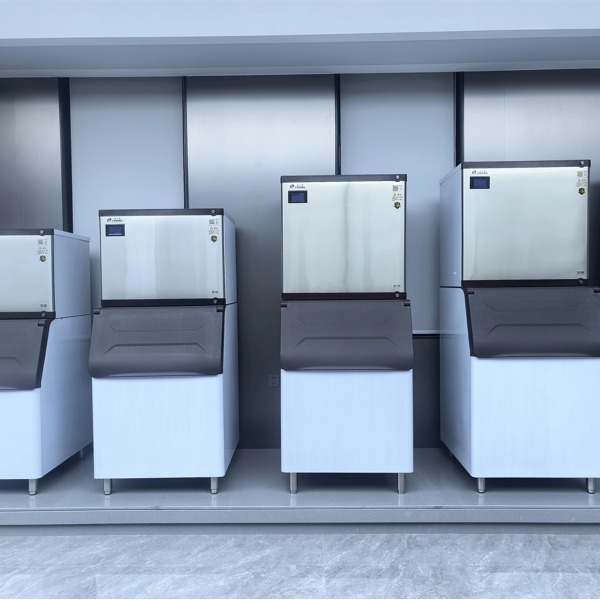
Ice is the most consumed ingredient in a bubble tea shop, and it is the one ingredient that cannot be improvised. Every cup on the menu draws from the same supply, peak hours concentrate demand into short windows, and a shop that runs dry stops selling until the machine catches up. Sizing a bubble tea shop ice maker correctly therefore starts with arithmetic rather than with machine specifications: cups per day, ice per cup, peak-hour concentration, and the storage buffer that covers a machine failure. The calculation is simple enough to do on one page, and it prevents both of the expensive errors, buying too little ice capacity and buying too much.
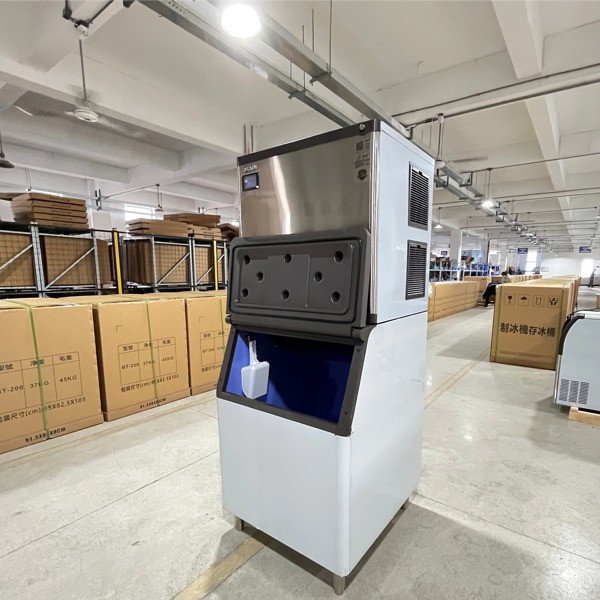
Real-World Industry Case / Scenario
A Tea Shop That Ran Dry at Peak
A bubble tea shop opening in a busy retail district installed a compact ice maker rated at 60 kilograms per day, chosen because it fit the budget and the counter space. The first summer weekend revealed the problem. Sales ran near 400 cups per day, with roughly 40% of those cups sold between 2 pm and 6 pm. The shop's ice maker could not keep pace with the afternoon surge, and staff scooped from an empty bin three times on the busiest day while customers waited. Melted backup ice from a domestic freezer flooded the counter, and the shop turned away sales it had already advertised.
The shop's sales data, combined with cup size and fill recipes, showed actual ice consumption near 110 kilograms per day, almost double the installed capacity, with peak-hour demand running above 20 kilograms per hour. The shop installed a second bubble tea shop ice maker rated at 150 kilograms per day with a matching storage bin, which covered peak demand with margin for blending and staff drinks. The added machine paid for itself within six weeks in recovered sales, and the shop's owner now sizes equipment from the demand calculation rather than from the counter space.
Risk & Failure Mode Analysis
Under-Sizing and Lost Sales
An under-sized bubble tea shop ice maker fails in the most expensive way possible: silently, during the hours that matter. The machine runs continuously and still falls behind, the bin empties, and sales stop until production catches up. Because ice demand concentrates in peak windows, an ice maker sized to daily average but not to peak-hour rate will disappoint on exactly the days that build the business. The failure also compounds through workarounds: staff buy bagged ice at retail prices, store it in freezers not designed for the load, and compromise drink consistency while doing it.
An over-sized bubble tea shop ice maker creates the opposite problem. Ice produced faster than it is used sits in the bin, where it clumps, sublimes, and picks up odors from the surrounding freezer environment. Stagnant ice also raises hygiene concerns, since slow turnover in a bin gives biofilm time to establish. A single machine is the second exposure: one ice maker means one failure away from no ice, and machine failures do not respect peak hours. Shops that split capacity across two machines, or pair production with a properly sized bin, remove that single point of failure.
Technical Principles & Standard Compliance
The Sizing Math: Cups, Ice, and Storage
The sizing math for a bubble tea shop ice maker starts with cups per day. A 700 milliliter cup filled to roughly one third with ice carries about 200 to 250 grams, so a shop selling 300 cups per day consumes 60 to 75 kilograms before blending, staff use, and spillage. Peak concentration matters next: if 40% of daily volume falls in a four-hour window, the machine must produce at least the peak-hour rate, not the daily average. Storage is the third term: a bin sized to 30% to 50% of daily demand covers the gap between production rate and peak draw. The bubble tea shop ice maker specification is the sum of these three numbers, not a single rating from a catalog.
Ice Type, Production Rate, and Ambient Derating
Ice type changes the calculation. Nugget ice, favored by many bubble tea shops for chewable texture, holds more water content and blends easily, while cube ice lasts longer in the bin and suits shops that pre-fill cups. Production ratings are quoted at standard conditions, typically around 21 degrees Celsius entering water and ambient, and a hot shop near brewing equipment can lose 10% to 20% of rated output. The bubble tea shop ice maker rating must therefore be derated for the actual environment, and the bin must hold what the derated production cannot supply instantly.
Actionable Buyer & Maintenance Guide
Sizing a Bubble Tea Shop Ice Maker
The practical worksheet has four lines. First, cups per day from sales history, including seasonal peaks. Second, ice per cup from the actual recipes, typically 200 to 300 grams depending on cup size and fill. Third, peak-hour concentration, which sets the minimum production rate. Fourth, the bin buffer, sized to cover machine downtime and the gap between production and peak draw. The result is a required daily capacity with margin, specified against derated output. Suppliers of bubble tea shop ice makers such as Guangdong-based Jingbaiyu publish production curves at real ambient conditions, which allows the worksheet result to be matched to a machine rather than guessed.
Filtration, Redundancy, and Maintenance
Water filtration is part of capacity, not an accessory. Scale reduces production and shortens machine life, so filtration matched to local water hardness protects the throughput the sizing worksheet assumed. Redundancy follows risk tolerance: a second smaller machine, or a machine with a bin sized for a full day of production, keeps the shop selling through a failure. Maintenance is routine: descaling on schedule, filter changes, bin cleaning with attention to seams and drain points, and condenser cleaning matched to shop lint. Logging production against sales keeps a bubble tea shop ice maker accountable to the demand it was sized for.
Frequently Asked Questions
Question 1: How much ice does a bubble tea shop use per day?
Answer: A typical 700 milliliter cup carries roughly 200 to 250 grams of ice, so a shop selling 300 cups per day consumes 60 to 75 kilograms before blending, staff use, and spillage. Busy shops during summer months can exceed 100 kilograms. The ice requirement should be calculated from the shop's own cup sizes and sales history rather than from a generic figure, since recipes vary widely.
Question 2: Why did the ice maker fall behind during peak hours?
Answer: Ice demand concentrates in short windows, and a machine rated for the daily average may not meet the peak-hour rate. Ratings are also quoted at standard conditions, around 21 degrees Celsius, and hot environments near brewing equipment can reduce output by 10% to 20%. A bubble tea shop ice maker should be sized against the peak-hour draw with the rating derated for the actual ambient and entering water temperatures.
Question 3: Is nugget ice or cube ice better for a bubble tea shop?
Answer: Nugget ice is chewable and blends easily, which many bubble tea customers prefer, but it holds more water content and can clump in the bin. Cube ice lasts longer in storage and suits shops that pre-fill cups. Both types serve an ice maker equally well, and the choice should follow the menu and customer preference rather than the machine catalog.
Question 4: How large should the ice bin be?
Answer: A bin sized to roughly 30% to 50% of daily demand covers the gap between production rate and peak draw, plus a buffer for machine downtime. The bin also protects against the single point of failure that one machine represents, since stored ice keeps the shop selling while a fault is diagnosed. A bubble tea shop ice maker and its bin should be specified together, not separately.