 EN

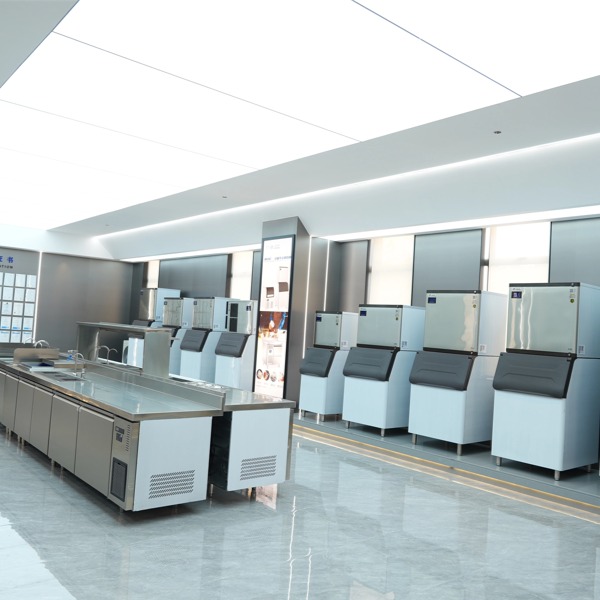
The machine on the floor is only half of an ice system; the commercial ice maker manufacturer behind it is the other half. A commercial ice maker manufacturer determines whether a machine can be certified with confidence, serviced with available parts, cleaned with documented procedures, and supported by people who answer when a bin floods during Saturday service. These qualities do not appear on a spec sheet, and they are invisible on the day of purchase, when price and production rate dominate the conversation. They appear over years of operation, in the difference between a machine that cycles quietly through its maintenance schedule and one that becomes a recurring line item in the repair budget. Learning to evaluate a commercial ice maker manufacturer before purchase is therefore an operations decision with a long tail.
Real-World Industry Case / Scenario
A Restaurant Group's Supplier Comparison
A restaurant group expanding to six locations purchased ice makers from two suppliers within the same product class and price band. The machines looked comparable on paper: similar production rates, similar bin sizes, similar footprints, and both suppliers described themselves as a commercial ice maker manufacturer. Within two years, the difference between the two suppliers was unmistakable. Machines from the first supplier held their harvest cycles, and their cleaning procedures were documented and simple. Machines from the second supplier developed harvest sensor drift, and the restaurant group discovered that replacement sensors had to be ordered internationally with weeks of lead time and no local stock.
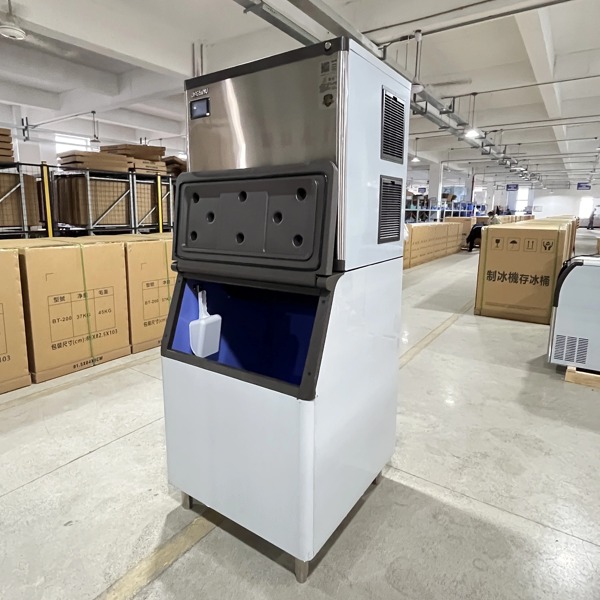
The second supplier's machines also lacked accessible service documentation, so each repair began with diagnosis from scratch rather than from a troubleshooting baseline. The restaurant group calculated the cost of the experience: lost production during outages, premium freight for urgent parts, and labor spent on repairs that should have been routine. The group's operations director summarized the lesson simply: the purchase price of both machines had been similar, but only one commercial ice maker manufacturer had sold a support system along with the hardware. When the group standardized its next round of purchases, certification status, parts availability, and documented service procedures outranked headline specifications.
Risk & Failure Mode Analysis
Uncertified Designs and Documentation Gaps
An uncertified ice maker is a compliance risk wearing an equipment costume. NSF/ANSI 12 certification addresses materials, design, construction, and performance for machines producing ice for human consumption, covering food-contact surfaces, cleanability, and sanitary design. A machine without it may still produce ice, but the operation cannot demonstrate the food-contact safety that health inspectors and food safety systems expect. Documentation gaps compound the risk: machines delivered without cleaning procedures, electrical schematics, or parts lists force operators to improvise maintenance, and improvised maintenance on food equipment produces both hygiene and reliability failures. A commercial ice maker manufacturer that ships complete documentation removes this entire category of risk.
Service terms are easy to compare and hard to evaluate, because the difference between suppliers shows up in response, not in text. A commercial ice maker manufacturer that stocks wear parts, publishes part numbers, and supports a service network keeps a machine productive through its service life; one that does not turns every pump, sensor, or valve failure into a procurement problem. Service value also depends on whether the manufacturer honors claims without disqualifying technicalities, which references from existing customers reveal far more reliably than the service document itself.
Technical Principles & Standard Compliance
Certifications and Factory Quality Systems
Certification tells a procurement team what a third party has verified. NSF/ANSI 12 covers the ice-making function and food-contact design. Electrical safety listings such as UL or ETL confirm the machine was built and tested against recognized electrical standards. Energy performance references applicable DOE commercial refrigeration requirements. Behind the product, ISO 9001 certification of the manufacturing facility indicates controlled processes for material grades, assembly, and testing, which shows up in the field as consistency between machines and between production lots. A commercial ice maker manufacturer that holds this stack of certifications has submitted itself to external verification at every level that matters.
Design Indicators of Reliability
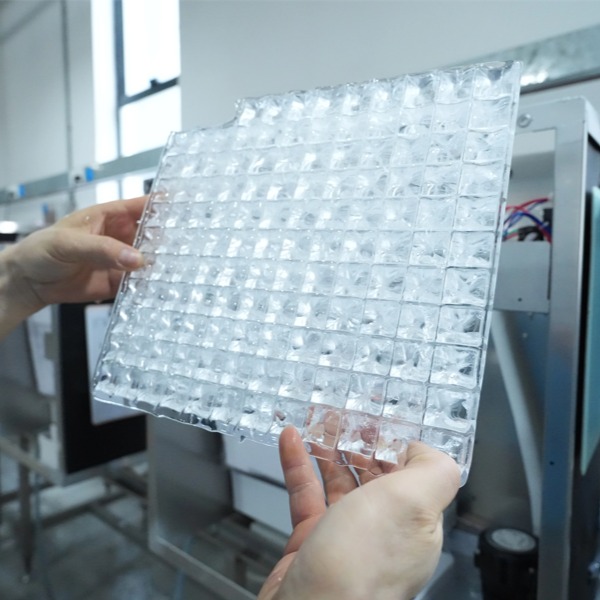
Certain design details predict field reliability better than any specification table. Harvest control that is adjustable and documented allows the machine to be tuned as water conditions change. A condenser designed for kitchen lint, with accessible cleaning, prevents the overheating failures that dominate compressor replacements. Bins with smooth, rounded, accessible corners can actually be cleaned; bins with unreachable seams cannot. Drain and condensate routing that is inspectable prevents the slow water damage that hides under equipment. Serviceable construction, where pumps, sensors, and valves can be replaced without manufacturing adapters, keeps the machine in service rather than in a workshop, and these indicators reveal how experienced a commercial ice maker manufacturer really is.
Actionable Buyer & Maintenance Guide
Evaluating a Commercial Ice Maker Manufacturer
Evaluation should follow a short list of verifiable items. First, confirm NSF/ANSI 12 certification and electrical safety listings on the exact model, not the product family. Second, request documentation: cleaning procedures, electrical schematics, parts lists, and the production curve at the ambient rating relevant to the installation. Third, test parts availability by asking for lead times and local stock on the common wear items. Fourth, request references from operations of similar size and duty. Fifth, confirm the service terms in writing, including response commitments. Manufacturers such as Guangdong-based Jingbaiyu support this evaluation with certified designs, documented maintenance procedures, and serviceable component lists, which allows buyers to verify each item rather than assume it.
Total Cost of Ownership Beyond Price
The purchase price of a commercial ice maker is one line in a longer equation. Total cost of ownership includes energy consumption across the machine's life, water use and filtration, scheduled maintenance labor, wear part replacement, and the downtime cost when a failure stops ice production. A machine that costs slightly more but delivers documented serviceability, available parts, and efficient operation usually wins that equation, while a machine selected on price alone transfers its savings to the repair budget within a few years. Building the evaluation around total cost of ownership, and around the strength of the commercial ice maker manufacturer behind the machine, produces equipment decisions that hold up across years of daily service.
Frequently Asked Questions
Question 1: What certifications should a commercial ice maker manufacturer hold?
Answer: The core certification is NSF/ANSI 12, covering materials, design, construction, and performance for machines producing ice for human consumption. Electrical safety listings such as UL or ETL confirm recognized electrical standards, and energy performance should reference applicable DOE commercial refrigeration requirements. ISO 9001 certification of the manufacturing facility indicates controlled processes behind the product. A commercial ice maker manufacturer should be able to verify each of these on the exact model rather than the product family.
Question 2: Why does parts availability matter more than price?
Answer: Wear parts such as pumps, sensors, valves, and controls fail eventually, and the cost of those parts is small compared with the cost of lost production while a machine waits for an international shipment. A commercial ice maker manufacturer that stocks parts and publishes part numbers keeps machines productive, while weak parts support turns routine failures into extended outages. Purchase price is one line in total cost of ownership, and downtime dominates the rest of the equation.
Question 3: How can a manufacturer's reliability be verified before purchase?
Answer: Request references from operations of similar size and duty, and ask specifically about service response, parts lead times, and failure history. Review the documentation package, including cleaning procedures, electrical schematics, parts lists, and production curves at the relevant ambient rating. Trial installations, where a candidate machine runs alongside existing equipment for a defined period, provide the most direct evidence of real-world performance before fleet commitment to a commercial ice maker manufacturer.
Question 4: What design features indicate a well-built ice maker?
Answer: Adjustable and documented harvest controls, condensers designed and accessible for kitchen lint cleaning, bins with smooth rounded corners that can be cleaned effectively, inspectable drain and condensate routing, and serviceable construction where components can be replaced without adapters. These features predict field reliability because each addresses a failure mode that maintenance records show repeatedly. A reliable commercial ice maker manufacturer designs against those failure modes rather than around them.