 EN

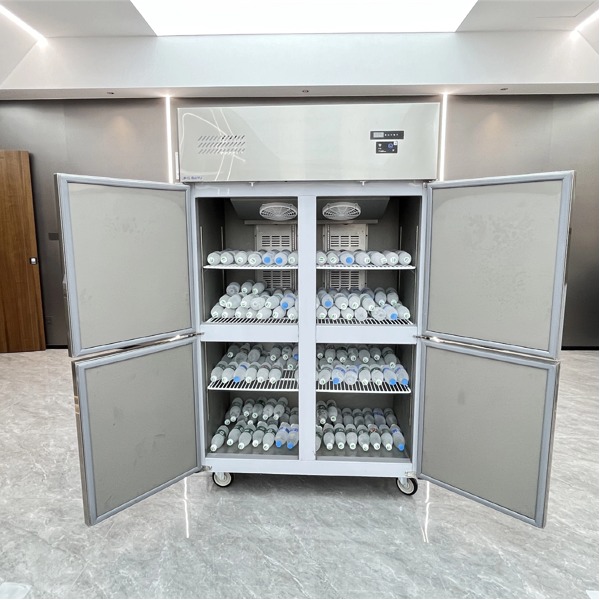
Catering moves food between preparation kitchens, transport, and event venues, and the refrigeration that supports that movement faces conditions a fixed restaurant freezer never sees: outdoor ambient heat, vehicle vibration, power interruptions, and constant door openings during service. A temperature-adjustable freezer addresses this reality by allowing one freezer to serve chilled storage on one job and frozen storage on the next, with a control range that spans both. Choosing well means specifying the control range and accuracy the operation actually needs, the ambient rating for the environments where the freezer will work, and the physical features that survive transport. The wrong choice shows up as temperature excursions in the middle of an event, which is the worst possible moment to discover a limitation.
Real-World Industry Case / Scenario
A Catering Company Standardizing on Adjustable Freezers
A catering company running weddings and corporate events maintained separate chillers and freezers for different menus, which meant half the fleet sat idle on most jobs while the other half ran at capacity. The company tested temperature-adjustable freezers across a season, using a control range spanning chilled and frozen storage on the same chassis. On jobs with cold desserts and frozen proteins, the units ran frozen; on jobs with fresh dairy and prepared salads, the same units ran chilled. Freezer equipment utilization roughly doubled, and the transport plan simplified because every vehicle carried a freezer that could handle whatever the menu required.
What the Freezer Temperature Logs Showed
The company logged interior and product temperatures at loading, arrival, and service on every job. The adjustable freezers held setpoint through summer events in 35-degree ambient conditions, and the freezer digital controllers recovered quickly after door openings during plating. Two findings shaped the fleet specification. Units with mechanical thermostats showed wider swings and slower recovery than units with digital control, and cabinets loaded beyond the marked airflow line drifted toward the warm end regardless of setpoint. The logs gave the company objective grounds to standardize on digital control and to enforce freezer loading discipline, and they became part of the food safety documentation clients requested.
Risk & Failure Mode Analysis
Mis-Setting and Drifting Freezer Temperature
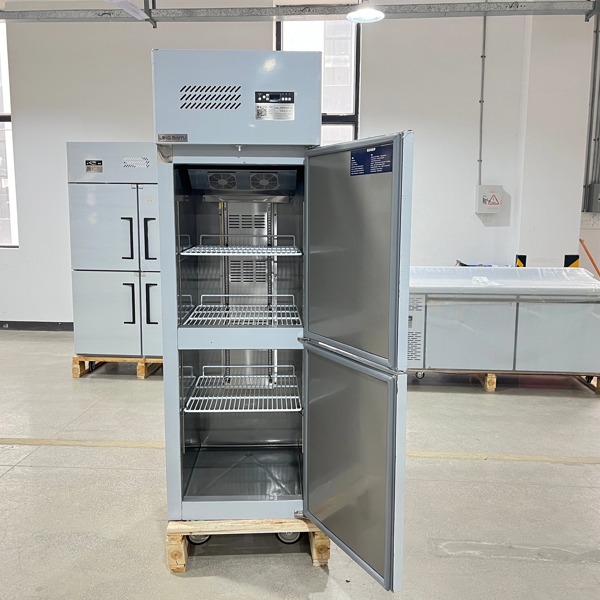
The flexibility of a temperature-adjustable freezer creates its own failure mode: the wrong setpoint. A freezer left in chilled mode with frozen product, or a freezer in frozen mode with fresh product, produces either thawed inventory or frozen items that should not be frozen. Freezer setpoint confusion grows when multiple freezers run at different settings across a fleet, and a freezer controller bumped during transport can shift the whole job. Freezers with lockable or password-protected controls reduce the risk, and written loading procedures that state the required freezer setting per product category make the correct configuration part of the routine rather than a judgment call under time pressure.
Catering freezers work hardest exactly when the environment is least forgiving. High ambient temperatures reduce freezer capacity and extend recovery after door openings, so freezer ambient rating belongs in the specification rather than as an afterthought. Power interruptions during transport or at venues without verified supply cause slow, silent freezer temperature rise, which makes arrival temperature checks non-negotiable. Vibration stresses tubing joints and door hardware over thousands of transport kilometers, and freezers without transport-rated construction develop refrigerant leaks and gasket failures earlier than their duty would suggest. Each of these freezer risks is manageable through specification and procedure, but only if it is recognized before purchase.
Technical Principles & Standard Compliance
Control Range, Accuracy, and Recovery
A useful temperature-adjustable freezer for catering spans roughly minus 20 degrees Celsius for frozen storage up to chilling temperatures around 0 to 5 degrees Celsius, with digital control holding the freezer within a degree or two of setpoint. Freezer accuracy matters less than recovery: what determines food safety in service is how quickly the freezer returns to setpoint after the lid opens for plating. Freezer compressor and evaporator sizing determine that recovery, and freezers rated for high ambient conditions carry the margin that summer events demand. Freezer insulation quality affects both hold-over time during power interruptions and energy draw from vehicle or venue power, which makes wall construction a performance specification rather than a comfort feature.
Commercial refrigerators and freezers fall under NSF/ANSI 7, which addresses construction, materials, cleanability, and performance for foodservice equipment, and every freezer in catering service should carry it. Food safety expectations reference cold holding at 5 degrees Celsius or below for chilled product and frozen storage at minus 18 degrees Celsius or lower, with HACCP-based monitoring and corrective action when freezer limits are exceeded. For catering, temperature logs at loading, arrival, and service provide the documentation that demonstrates freezer control, and they convert freezer equipment capability into auditable evidence. Freezers selected for these operations should support that documentation through reliable, readable displays and, where available, data logging.
Actionable Buyer & Maintenance Guide
Specifying a Catering Freezer
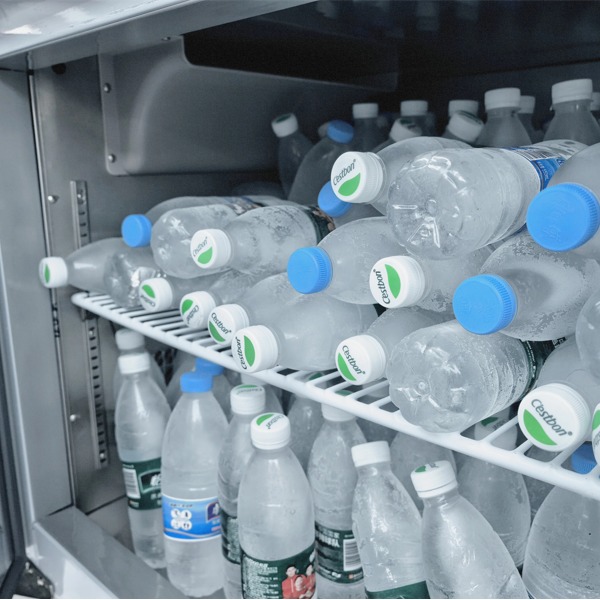
Freezer specification should begin with the menu categories the unit must hold, then translate them into required temperature ranges and hold-over times. Freezer specification items include the control range and its accuracy, ambient rating for the hottest expected venue, insulation and hold-over performance for power interruptions, transport-rated construction including reinforced latches and protected tubing, power supply compatibility with vehicle inverters or venue outlets, and loading line markings that protect airflow. Lockable or protected controllers prevent freezer setpoint drift in service. Commercial freezer suppliers such as Guangdong-based Jingbaiyu publish ambient ratings, recovery data, and construction details that allow catering fleets to compare freezers against these criteria rather than on price alone.
Maintenance and Monitoring Discipline
Fleet maintenance for a temperature-adjustable freezer follows the transport duty cycle. Freezer gaskets and latches need frequent inspection because they absorb the abuse of loading and transit. Freezer condenser coils collect lint and road debris and require cleaning on a schedule matched to operating environments. Freezer temperature displays should be verified against a reference thermometer periodically, since a drifting display undermines every log entry made from it. Loading discipline, keeping product below the airflow line and minimizing door-open time during service, preserves the performance the freezer specification purchased. Logging all of it keeps the fleet's food safety evidence as mobile as the operation itself.
Frequently Asked Questions
Question 1: What temperature range should a catering freezer cover?
Answer: A useful freezer range spans frozen storage at minus 18 degrees Celsius or colder up to chilled holding around 0 to 5 degrees Celsius, allowing one freezer to serve both roles across different jobs. Digital control should hold freezer setpoint within a degree or two, and freezer recovery speed after door openings matters more than nominal accuracy for service conditions. The exact range should follow the menu categories the operation actually carries.
Question 2: Why does ambient temperature rating matter for catering freezers?
Answer: High ambient temperatures reduce freezer capacity and slow recovery after door openings, and catering routinely operates in heat that fixed kitchen equipment never sees. A freezer rated only for standard kitchen ambient will struggle in summer venues, producing temperature drift during service. Specifying a freezer rated for the hottest expected environment, and verifying performance with arrival temperature checks, keeps product within safe limits.
Question 3: How can freezer setpoint mistakes be prevented?
Answer: Lockable or password-protected controllers prevent accidental changes during transport and service, and written loading procedures that state the required setting per product category make configuration part of the routine. Clear exterior labeling of the current mode helps crews verify at a glance. For fleets, standardizing which freezers run which mode per job reduces the confusion that mixed settings create.
Question 4: What maintenance does a transport-duty freezer need?
Answer: Freezer gaskets and latches require frequent inspection because they absorb transit abuse, and condenser coils need cleaning on a schedule matched to road debris and lint. Freezer temperature displays should be verified against a reference thermometer, since a drifting display undermines every log entry. Loading discipline below the airflow line and minimizing door-open time during service preserves the performance the specification purchased, and logging all of it keeps food safety documentation mobile.