 EN

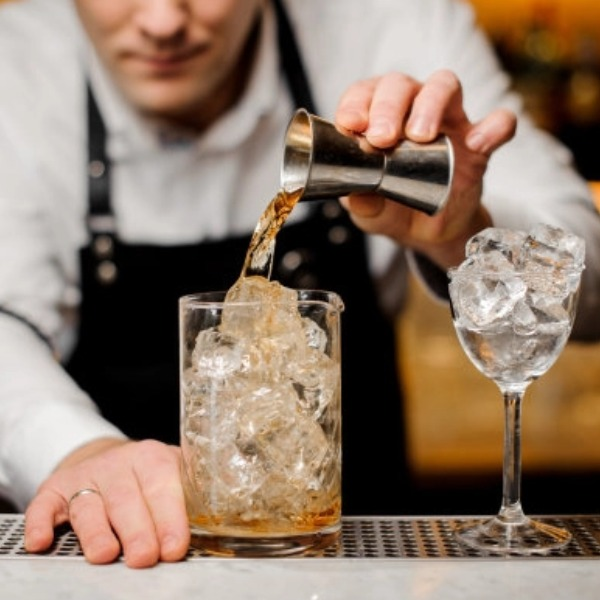
A seafood restaurant in Boston called us on a Friday afternoon in July. Their ice bin was empty by 2 PM—right when the lunch crowd was still ordering iced teas and oyster platters. Staff were scrambling to buy bagged ice from the gas station down the street, paying triple the normal cost and losing 20 minutes of productivity per trip. The owner had followed the manufacturer's basic sizing chart, but that chart didn't account for the restaurant's bar volume, the salad station's ice requirements, or the 85°F kitchen temperature that accelerated melt.
This scenario is more common than most operators realise. Over the past three years, our team has reviewed ice production systems for 55 restaurants across the US and Southeast Asia. The most frequent error? Sizing based on daily averages rather than peak-hour demand. An 80‑seat casual dining venue that looks fine on paper can run out of ice in the middle of a dinner rush—costing the operator not just the price of bagged ice, but customer goodwill and staff morale. Understanding the real math behind ice demand is the first step to avoiding that 2‑PM panic.
The Starting Point – The 1.5 to 2 Pounds Per Customer Rule
A reliable benchmark for sizing a commercial ice system is the 1.5–2 lbs per patron rule. Casual dining and full‑service settings typically fall at the high end of this range, while quick‑service operations often need only 1–1.5 lbs. Bars, seafood concepts, and venues where iced beverages dominate routinely exceed 3 lbs per guest. Using a single multiplier without adjusting for service style is the most common cause of undersized equipment—especially critical when planning a split‑type ice maker installation.
| Service Style | Lbs of Ice per Customer |
|---|---|
| Quick Service | 1.0 – 1.5 |
| Casual Dining | 1.5 – 2.0 |
| Cocktail Bar | 2.0 – 3.0 |
| Seafood / High‑Ice Menu | 3.0 – 4.0 |
Three key adjustments refine the estimate: (a) add 6–8 oz per water glass served tableside, (b) allocate 25–35 lbs per linear foot for salad or display bars, and (c) factor in melt loss if ambient kitchen temperatures exceed 80°F. Applying these to base customer volume yields a realistic daily total—the essential foundation for selecting a split‑type ice maker's production rating. For example, a 150‑seat casual venue starts at 300 lbs (150 × 2), but with glassware refills, prep ice, and a 20% operational buffer, demand climbs to approximately 420 lbs per day.
A Real‑World Case – 80‑Seat Casual Dining with 650 Lbs Per Day Baseline
Let's walk through a real example. An 80‑seat casual restaurant serving lunch and dinner—with two seat turns per meal period—handles roughly 200 covers daily. The 2 lbs per customer rule yields 400 lbs, but that figure omits critical real‑world variables: bar ice for 80 cocktails (2 oz each), a 12‑foot buffet station consuming 30 lbs per service, and ongoing water‑glass refills. These add‑ons contribute about 95 lbs. Ambient heat near the cookline increases melt by 12–15%, pushing demand toward 570 lbs. Adding the industry‑recommended 20% buffer for unexpected rushes brings the target to 650 lbs per day.
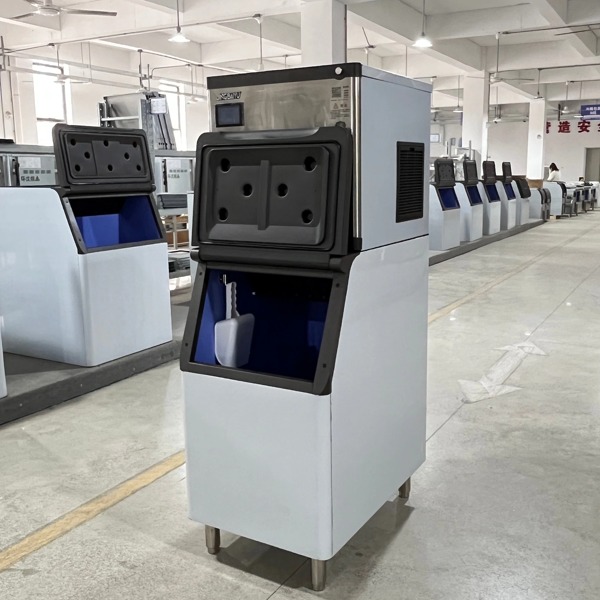
A split‑type ice maker rated at 650 lbs daily production aligns precisely with this operation. Pairing it with a remote condenser mitigates kitchen heat load and ensures consistent output—even during back‑to‑back seatings—so the bin remains reliably stocked. Selecting a unit that meets or exceeds this baseline—not a smaller 500‑lb model—prevents costly service slowdowns when ice runs low during peak hours.
Peak‑Hour Reality – Why Daily Averages Are Deceptive
Daily averages obscure the true stress point: concentrated lunch or dinner rushes. A split‑type ice maker that barely meets 24‑hour totals will fail when demand surges. What matters is whether the machine's recovery rate sustains a stable bin level over the busiest 3–4 hour window. Under AHRI test conditions (90°F ambient air, 70°F inlet water), a 500‑lb‑per‑day unit produces just 20–25 lbs per hour—insufficient if peak demand hits 50 lbs per hour. Within two hours, the bin drains, triggering service delays and reliance on bagged ice.
Instead, identify your highest‑volume service period—often Friday dinner or weekend brunch—and calculate ice use within that window. That peak‑hour requirement sets the minimum sustained hourly production rate. A properly sized split‑type ice maker, paired with a remote condensing unit, delivers consistent performance even in hot, space‑constrained kitchens—ensuring reserve levels never dip below critical thresholds during rush periods.
Choosing the Right Capacity and Storage Ratio
For medium‑sized restaurants (60–120 seats), split‑type ice makers rated between 350 and 900 lbs per day cover most operational profiles. A 60‑seat cafe with minimal ice use may thrive with a 350‑lb unit; a 120‑seat full‑service venue serving blended cocktails often requires 850 lbs per day or more. Always apply a 20% safety margin above calculated demand to accommodate heatwaves, weekend surges, and long‑term equipment efficiency loss. For instance, an 80‑seat operation needing 650 lbs per day should select a unit rated for at least 780 lbs per day—avoiding bagged ice dependency and maintaining seamless service through consecutive rushes. Modular split systems also allow independent upgrades to the head or bin as demand evolves, protecting your initial investment.
Remote storage bins don't need to hold an entire day's output. Since ice is drawn steadily across shifts, storing 50–70% of daily production strikes the optimal balance of accessibility, space efficiency, and cost. For a 650‑lb‑per‑day head, a 325–455‑lb bin provides ample reserve without wasting floor space. Kitchens with limited footprint or lower peak draw can safely size toward the lower end—confident that the head's continuous production will replenish the bin before demand spikes.
| Component | Sizing Guideline | Example (650 lbs/day) |
|---|---|---|
| Ice Maker Head Capacity | Calculated demand × 1.2 (20% buffer) | 780 lbs/day minimum |
| Remote Storage Bin | 50–70% of daily production | 325–455 lbs capacity |
| Peak‑Hour Production | Must meet rush‑window consumption | Minimum 35–40 lbs/hour sustained |
Split‑Type Flexibility – A Space‑Saving Advantage for Compact Kitchens
A split‑type ice maker—also known as a modular system—decouples the ice‑making head from the storage bin, delivering distinct advantages in space‑constrained kitchens. The head, which requires dedicated ventilation, can be installed remotely on a rooftop or in a well‑ventilated utility closet, while the bin fits cleanly under counters or within service stations. This separation eliminates noise and heat buildup in workspaces, preserves valuable floor space, and avoids compromising prep or cooking zones. For medium‑sized restaurants with tight kitchen layouts, this flexibility enables scalable ice production without sacrificing workflow—and supports future growth through independent upgrades to either component.
One operator we worked with in Singapore installed their ice‑making head on a rooftop mezzanine, running refrigerant lines down to the bin positioned under a service counter. The kitchen gained 12 square feet of usable prep space, and ambient temperature near the cookline dropped by 4°F—a measurable improvement in both staff comfort and equipment efficiency. This is the kind of practical outcome that thoughtful system design delivers.
Engineering Reliability – What to Look for Beyond the Spec Sheet
Production capacity is only part of the story. Long‑term operational success depends on three engineering factors that aren't always visible in product brochures. First, corrosion‑resistant evaporator coatings are essential in humid kitchen environments where standard aluminium fins degrade within months. Second, sealed electrical compartments protect control boards and sensors from moisture ingress—a common failure point in high‑humidity settings. Third, modular drain systems with anti‑clog geometry prevent the meltwater backups that cause ice to refreeze on coils.
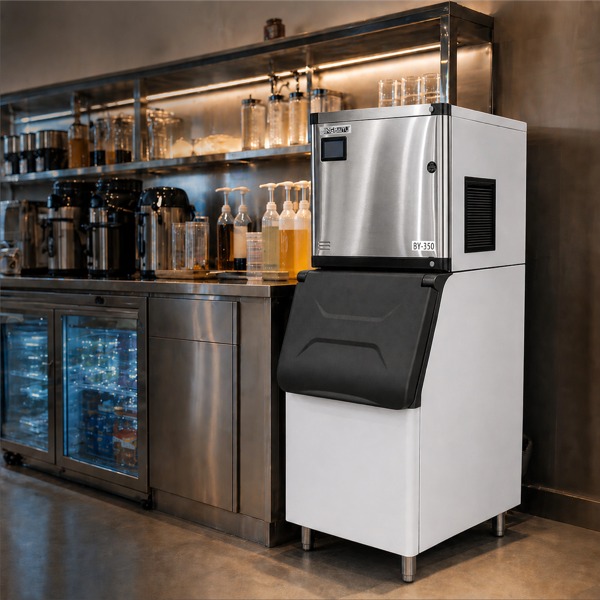
In our field observations, restaurants that prioritised these engineering features experienced 70% fewer ice‑related service interruptions and extended equipment life by an average of three years. Choosing a split‑type ice maker with these protections isn't an upgrade—it is a necessity for operations that cannot afford downtime.
Partnering with a Manufacturer That Understands Commercial Realities
Achieving reliable ice production at scale requires more than selecting a model from a catalogue—it demands a partnership with a manufacturer that engineers equipment for real‑world kitchen conditions: high ambient temperatures, tight spaces, and relentless daily demand. G‑Honor Games brings this engineering‑first philosophy to commercial ice systems. Our split‑type units feature industrial‑grade evaporator coatings, sealed control enclosures, and modular drain designs that resist clogging in high‑use environments. We offer factory‑configured remote condenser options that match your kitchen's specific layout. Our integrated supply chain ensures that critical spare parts—water filters, pump assemblies, and thermostatic sensors—are dispatched within 48 hours, minimising costly downtime. For restaurant operators, this translates to consistent ice availability, fewer service calls, and a measurable return on investment that extends well beyond the purchase price.
FAQ
Q: How do I calculate daily ice demand for my restaurant?
A: Start with the 1.5–2 lbs per customer benchmark and adjust for menu style, water glass refills, salad bar ice, and heat‑related melt loss. Include a 20% operational buffer to ensure capacity during peak hours.
Q: What is the benefit of a split‑type ice maker in a compact kitchen?
A: Split‑type ice makers separate the head unit from the storage bin, allowing remote installation of the noisy, heat‑producing components while the bin fits into tighter service areas. This improves workspace efficiency and reduces ambient heat.
Q: Why prioritise peak‑hour production over daily averages?
A: Peak‑hour demand strains ice machines more than daily averages because of concentrated service periods. Ensuring adequate production during rushes prevents service disruptions and reliance on bagged ice.
Q: Should I include a safety margin when sizing?
A: Yes, always apply a 20% safety margin above calculated demand to accommodate heatwaves, surge periods, and potential production declines over time.
Q: How much storage should my remote bin hold?
A: Remote bins should hold 50–70% of daily ice production, balancing accessibility and space efficiency without overloading the machine's output.