 EN

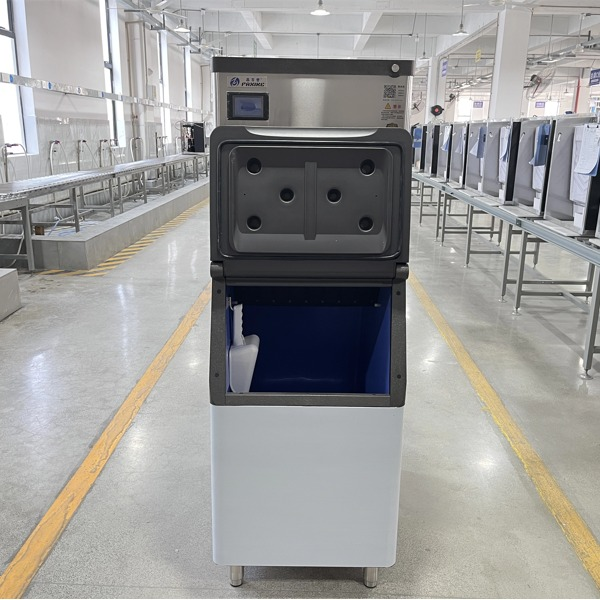
Why a Split Type Ice Maker Is the Smart Choice for Tight Commercial Spaces
For coffee shop owners, bar managers, and small cafeteria operators, every square inch of back-of-house space is precious. The struggle to balance essential equipment with limited footprint is a constant challenge. When it comes to ice production, the traditional integrated ice machine often forces owners to sacrifice valuable counter or storage space just to house the bulky cooling system. A split type ice maker offers a fundamentally smarter solution. By physically separating the heat-rejecting condenser from the ice-producing evaporator, this design unlocks a significant amount of usable space in the kitchen or bar area. Understanding the installation requirements, utility needs, and ventilation strategies for a split system helps business owners make an informed decision that optimizes both their workspace and their daily ice production capacity.
Redefining Space Efficiency with Remote Heat Rejection
The defining feature of a split type ice maker is the separation of its two primary components. The condenser, which is responsible for expelling the heat generated during the freezing process, can be mounted in a remote location. This could be an exterior wall, a rooftop, or a dedicated utility closet. This leaves the slim evaporator module to be tucked seamlessly under a counter, on a narrow shelf, or mounted on a wall. This arrangement can free up to sixty percent of the space that a traditional all-in-one unit would require. Because the heat and compressor noise are relocated outdoors, the indoor work environment stays cooler and significantly quieter. This not only reduces the strain on the facility's existing HVAC system but also creates a more comfortable atmosphere for employees working directly behind the counter. Furthermore, maintenance becomes less disruptive. If the condenser needs service, the technician can access it without having to shut down the kitchen or bar operations.
Comparing the Footprints: Split vs. Modular vs. Integrated
When evaluating the best ice machine for a cramped space, it helps to compare the physical demands of the three common configurations. An integrated, self-contained unit packs everything into a single box. While this offers the simplest plug-and-play installation, the entire machine, including its compressor and heat vents, must be placed indoors, dumping a significant amount of heat into the room and requiring ample clearance on all sides for airflow. A modular system separates the ice-making head from the storage bin. This allows the head to be mounted atop the bin, but both components still occupy valuable floor or counter space, and the compressor noise remains present in the workspace. The split type distinguishes itself by leaving only the ice-making head indoors. With the condenser positioned externally, the indoor footprint is minimized to a slender, low-profile unit that can be placed virtually anywhere without worrying about heat dissipation or loud compressor noises. For a small bar or coffee shop, this spatial advantage is often the deciding factor.

Critical Pre-Installation Site Assessment
Before a split type ice maker can be installed, a careful site assessment is required. While the condenser is remote, the evaporator still demands a stable, level surface. An uneven floor will cause water to pool inside the ice-forming zone, leading to irregular freezing patterns and potential damage to the internal mechanisms. The structural capacity of the floor must also be verified; a fully loaded evaporator, bin, and ice supply can easily weigh over four hundred pounds. Ambient conditions around the evaporator are equally critical. It must be positioned away from ovens, dishwashers, and direct sunlight. Industry experience has consistently shown that high ambient temperatures can dramatically reduce cooling efficiency. For every ten degrees Fahrenheit that the surrounding air rises above ninety-five degrees, the machine's daily ice output can drop substantially. Similarly, high humidity extends the defrost cycles, further cutting production. Taking a twenty-four-hour temperature and humidity log at the intended installation spot is a highly recommended practice to ensure the location falls within the manufacturer's specified operating range.
Ensuring Consistent Utility Supply for Reliable Operation
A split type ice maker is only as reliable as the utilities feeding it. Cold water pressure must remain strictly between forty and one hundred pounds per square inch. Pressures below this threshold will result in undersized, irregular ice cubes, while spikes above one hundred can damage the delicate inlet valves. A dedicated potable water line with its own shut-off valve should ideally be within six feet of the evaporator unit. Electricity is another non-negotiable factor. The unit requires a dedicated twenty-amp, one hundred fifteen-volt AC circuit. Plugging the ice maker into a shared circuit with other high-draw appliances invites breaker trips, which will halt ice production and create a headache during peak service hours. For drainage, a gravity-fed floor drain is the ideal scenario; however, many undercounter locations do not have the necessary slope. In those instances, a pump-assisted drain kit is required to lift the condensate and meltwater to an existing sink drain. It is critical to ensure that the drain line includes an air gap to comply with local plumbing codes and prevent backflow contamination.
Mastering Ventilation to Protect Ice Production
The split design’s primary advantage is relocating the condenser outdoors to manage heat, but the indoor evaporator still requires proper airflow to function efficiently. Industry best practices recommend maintaining at least twelve inches of unobstructed space around the evaporator unit to ensure effective heat exchange. Placing the unit flush against a wall or tight in a corner can cause hot air to recirculate, forcing the compressor to work harder and reducing the overall ice yield. Top-venting designs can ease this restriction in undercounter cabinets where side clearance is limited. Regular cleaning of the internal air filters is also essential. Experience from countless commercial kitchens confirms that accumulated dust and grease on the evaporator fins can easily reduce daily production by a significant percentage over time. A simple, routine cleaning schedule is the most cost-effective way to ensure the machine consistently delivers its rated output.
Selecting the Right Drainage and Water Filtration Setup
Choosing between gravity-fed and pump-assisted drainage comes down to the relative height of the ice maker's drain outlet compared to the floor waste line. A gravity system is the most reliable and maintenance-free, but it requires the machine to sit above the drain point. In many undercounter installations, a pump is necessary to lift the wastewater uphill. While effective, these pumps require periodic maintenance and introduce a potential single point of failure. To mitigate this, the evaporator unit can occasionally be positioned on a raised platform to utilize gravity, even in tight spaces. Meanwhile, installing a high-quality external water filter is critical. It removes sediment and chlorine from the incoming water supply, significantly improving the clarity and taste of the ice while protecting sensitive internal components from scale buildup. Always install a dedicated shut-off valve within easy reach for emergencies, and use stainless steel braided hoses to prevent leaks.
How Quality Manufacturing Protects Long-Term Performance
Ultimately, the long-term dependability of a split type ice maker is a direct reflection of the manufacturing discipline behind the refrigeration system. The precision of the compressor assembly, the cleanliness of the refrigeration lines, and the durability of the control board all dictate how the machine performs under the stress of daily high-demand cycles. Manufacturers who adhere to recognized quality management systems, such as ISO 9001, perform rigorous pressure and performance testing on every unit before it leaves the factory. By maintaining strict oversight over the sourcing of high-grade compressors and tubing materials, responsible suppliers ensure that the delivered system will maintain its production capacity and energy efficiency for years. For a business owner who relies on a steady supply of ice to drive beverage sales during peak hours, partnering with a manufacturer that demonstrates disciplined quality control provides the ultimate confidence in their equipment investment.