 EN

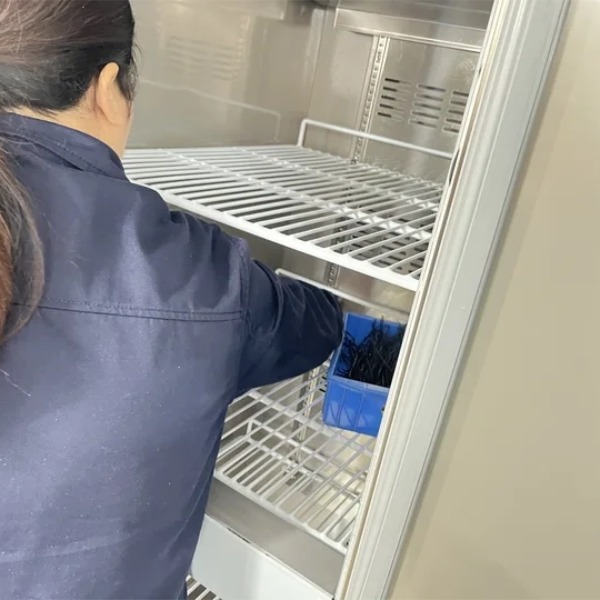
The Hidden Cost of Frost – A Wake-Up Call from the Field
A family-owned restaurant in Chicago called us after their walk-in freezer started consuming 30% more electricity than the previous month. Inside, they found a half-inch layer of frost coating the evaporator coil, with ice creeping along the door frame and pooling on the floor near the drain. The compressor, struggling to maintain temperature, had been running almost continuously for days. The culprit? A combination of a worn door gasket that hadn't been replaced in two years and a clogged drain line that had backed up meltwater, which refroze into thick sheets on the evaporator.
This scenario is more common than most operators realise. Over the past four years, our team has conducted energy and maintenance audits across 62 commercial kitchens, cold storage facilities, and convenience stores. The findings are sobering: over 70% of frost-related service calls stem from just three root causes—moisture infiltration, degraded door seals, and internal refrigeration imbalances. And the costs go beyond repair bills: a heavily frosted evaporator can reduce cooling efficiency by up to 40%, force compressors to run 20–30% longer, and shorten equipment lifespan by years. The good news? Most of these issues are preventable with the right knowledge and a disciplined maintenance routine.

The Three Usual Suspects – Pinpointing the Real Causes of Frost
Moisture Infiltration from Warm Product Loading and Frequent Door Openings
Every time a freezer door swings open, humid ambient air rushes in—and water vapour immediately condenses on the coldest surfaces: evaporator coils, walls, and shelving. This effect intensifies when large batches of warm food are placed directly into the freezer, overwhelming the unit's ability to manage latent moisture. The excess moisture freezes into frost, forcing the compressor to run longer and harder just to maintain the set temperature. In high-traffic kitchens, repeated door openings can increase frost accumulation by up to 20% over a single shift, according to a 2022 ASHRAE technical bulletin on commercial refrigeration moisture loads. Limiting door-open duration to under 30 seconds and pre-chilling hot items to below 40°F (4°C) before storage are simple yet highly effective ways to reduce that moisture load.
Failing Door Seals and Gasket Degradation Over Time
Gaskets serve as the freezer's frontline defence against warm air infiltration—but they naturally degrade. Cracks, brittleness, and permanent deformation create gaps that allow a steady stream of moist outside air to enter. Once compromised, the refrigeration system must work continuously to counteract incoming heat, leading to visible frost on the door frame and interior walls. Up to 30% of frost-related service calls in commercial freezers are traced back to degraded gaskets, a figure confirmed by NSF International field reports. A quick dollar-bill test—closing the door on a piece of paper and checking for resistance—can reveal weak spots before they become major energy drains. Replacing worn gaskets promptly restores the airtight barrier and prevents condensation.
Refrigeration Imbalances: Evaporator Coil Frosting and Clogged Drain Lines
Even with intact door seals, internal refrigeration faults can foster frost buildup. An evaporator coil that runs too cold—often due to low refrigerant charge or restricted airflow—will ice over rapidly, reducing cooling capacity. That ice layer insulates the coil, causing the compressor to work harder and further lowering temperatures in a self-reinforcing cycle. Meanwhile, a clogged drain line prevents meltwater from the defrost cycle from escaping; the water refreezes on the floor or coil, building thick ice sheets. A malfunctioning defrost timer or heater can also leave the coil coated in frost. Regular inspection of the drain line and defrost system—at least monthly—is critical to prevent these imbalances from escalating into full-scale ice accumulation that risks compressor damage and spikes energy use.
Table 1: Root Cause Diagnosis for Commercial Freezer Frost Buildup
| Root Cause | Typical Signs | Immediate Impact | Long-Term Consequence |
|---|---|---|---|
| Moisture Infiltration | Frost on walls/shelving; rapid ice build-up after door openings | 15–20% higher energy consumption | Shortened compressor life; food quality loss |
| Failing Door Gaskets | Visible cracks/gaps; frost on door frame; easy dollar-bill slide | Up to 30% excess runtime | Overworked system; frequent service calls |
| Refrigeration Imbalances | Uneven coil ice; water leakage during defrost; persistent run cycles | 25–40% cooling capacity loss | Compressor burnout; costly emergency repairs |
Prevention Strategies That Actually Work – Practical Steps from the Kitchen Floor
Airflow Management and Strategic Product Loading
Restricted airflow is a primary driver of uneven cooling and frost accumulation. Avoid overstocking shelves, as tightly packed items block vents and prevent cold air circulation. Maintain at least two inches (5 cm) of clearance between products and interior walls, and arrange inventory to keep high-demand items near the front—without obstructing airflow grilles. When loading warm product batches, space them apart to promote even cooling, and use night curtains on open display cases to retain cold air during off-hours. These practices eliminate moisture-trapping dead zones and reduce compressor strain caused by prolonged cooling cycles.
Temperature Setting Optimisation
Consistent temperature control prevents condensation—the precursor to frost. Set the freezer thermostat to 0°F (−18°C) for safe, code-compliant storage; every degree below this increases energy consumption by 5–10%, according to ENERGY STAR commercial refrigeration guidelines. Use a digital controller with a visible readout to monitor and minimise temperature drift. Consider a temporary holding temperature of −10°F during peak service hours to buffer against repeated temperature spikes from frequent door openings. Brief door openings and glass-door models—which let staff view contents without opening—help maintain stable conditions.
Table 2: Comparison of Defrost Systems for Commercial Freezers
| Feature | Time-Based Automatic Defrost | Adaptive (Demand-Based) Defrost | Eco-Smart Modulated Defrost |
|---|---|---|---|
| Trigger Mechanism | Fixed schedule (e.g., every 6 hours) | Sensor-detected frost accumulation | Real-time coil temperature + frost sensing |
| Energy Efficiency | Baseline (100%) | Up to 50% energy savings | Up to 30% additional savings vs. adaptive |
| Temperature Stability | Moderate fluctuations | Consistent; minimal swing | Highly stable; prevents overheating |
| Best Application | Low-traffic, stable environments | High-traffic, variable loads | High-humidity, intensive-use kitchens |
Smart Defrost Systems – Choosing the Right Technology for Your Operation
Time-based automatic defrost cycles initiate defrost on a fixed schedule, regardless of actual frost buildup. While simple and predictable, this approach often wastes energy and causes unnecessary temperature fluctuations in busy commercial freezers. In contrast, adaptive (demand-based) defrost uses sensors on the evaporator coil to detect frost accumulation and triggers a cycle only when needed. By responding to real-time conditions, adaptive systems can cut defrost-related energy consumption by up to 50% and reduce the total number of defrost events—preserving product quality and lowering operational costs. For high-traffic environments where door openings and warm product loads constantly introduce moisture, adaptive defrost is the more intelligent, efficient choice.
Eco-smart defrost technologies go a step further by modulating heater output to prevent overheating. In conventional defrost cycles, heaters often raise coil temperature excessively—creating fog that re-deposits moisture onto cold surfaces and forces the freezer to work harder to recover. Eco-smart systems monitor coil temperature in real time and pulse power to the heaters, keeping them just hot enough to melt frost without generating excess humidity. This method reduces defrost energy use by up to 30% compared to adaptive systems and minimises the risk of ice reformation on the coil and surrounding areas. The result is a more stable freezer environment, extended equipment life, and lower utility bills.

A Three-Step Proactive Maintenance Plan for Long-Term Reliability
Step 1: Monthly Gasket Integrity Testing
Perform the dollar-bill test at the start of every month. Close the door on a bill at three points—top, middle, and bottom. If it slides out easily at any point, replace the gasket immediately. Also, inspect gaskets for cracks, hardening, or mould. A well-maintained seal keeps humidity out, reduces frost formation, and extends compressor life.
Step 2: Quarterly Drain Line Cleaning
Clogged drain lines force meltwater to re-freeze, damaging the evaporator coil and creating unsafe ice layers. Flush lines quarterly with warm water and a mild enzymatic cleaner to dissolve biofilm and organic debris. Avoid using sharp tools that could puncture the line. Where accessible, inspect the termination point for blockages. Consistent drain maintenance prevents backed-up water, avoids emergency defrosts, and extends freezer reliability.
Step 3: Semi-Annual Evaporator Coil and Condensate Pan Cleaning
Dirty evaporator coils insulate the surface, reducing heat exchange efficiency and promoting uneven frost accumulation. Clean coils every six months using a soft brush and a coil-safe foaming cleaner—taking care not to bend the delicate fins. Simultaneously, empty and scrub the condensate pan to remove slime and mineral buildup that breed odours and restrict flow. According to industry benchmarks, a clean coil and clear pan sustain proper defrost drainage and cut long-term maintenance expenses by up to 20%.
Partnering with a Manufacturer That Engineers for Real-World Conditions
Achieving consistent, frost-free operation requires more than following a checklist—it demands equipment engineered for the specific stresses of commercial kitchens: frequent door openings, warm product loads, fluctuating ambient temperatures, and high humidity. G-Honor Games brings this engineering-first philosophy to commercial refrigeration. Our units feature corrosion-resistant evaporator coatings, sealed electrical compartments, and modular drain systems designed to prevent blockages in high-use environments. We offer factory-installed eco-smart defrost controllers with sensor arrays that adapt to your kitchen's unique usage patterns. Our integrated supply chain ensures critical spare parts—gaskets, thermostatic sensors, and drain pumps—are dispatched within 48 hours, minimising costly downtime. For food service operators, this translates to fewer service calls, consistent food quality, and a measurable return on investment that extends well beyond the purchase price.
FAQ
Q: What is the most common cause of frost buildup in commercial freezers?
A: Moisture infiltration from frequent door openings and warm product loading is the most common cause, followed by degraded door gaskets and clogged drain lines.
Q: How often should I test my freezer door gaskets?
A: Perform the dollar-bill test monthly at three points on the door. Replace gaskets immediately if any point shows no resistance.
Q: What is the difference between adaptive and eco-smart defrost systems?
A: Adaptive defrost triggers based on sensor-detected frost accumulation. Eco-smart goes further by modulating heater power to prevent overheating and reduce re-frosting.
Q: How much energy can I save with a modern defrost system?
A: Adaptive systems can cut defrost energy by up to 50%, while eco-smart systems can save an additional 30% compared to adaptive—meaning total savings of up to 65% over time-based systems.
Q: Can frost damage my freezer permanently?
A: Yes. Heavy frost insulates the evaporator, forces the compressor to overwork, and can lead to compressor burnout—a costly repair that often exceeds $1,500 for commercial units.
Q: How can I reduce door openings without sacrificing accessibility?
A: Install glass-door freezer models so staff can locate items visually before opening. Also, organise shelving with clear labels and position high-turnover items near the front.