 EN

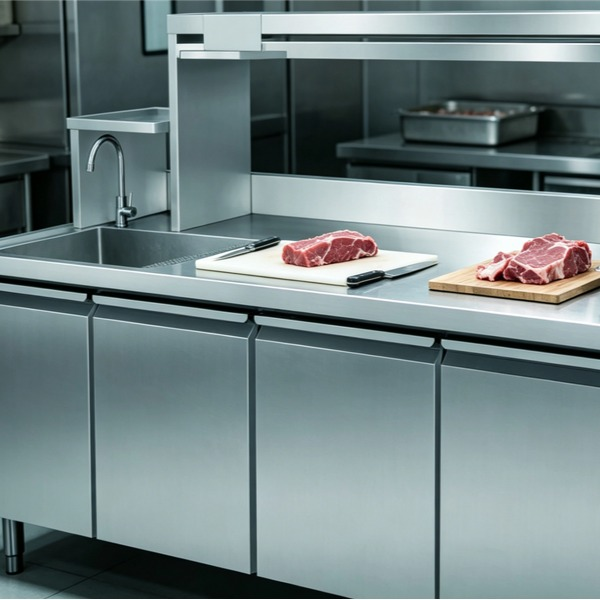
The Science of Food-Safe Stainless Steel Workbenches: Materials, Design, and Compliance
For operators of commercial kitchens, food processing plants, and seafood preparation facilities, the humble workbench is far more than a simple table. It is a critical piece of food safety infrastructure. Every day, these surfaces come into direct contact with raw proteins, acidic marinades, and saline brines. If the material is not properly selected and constructed, the workbench itself can become a vector for bacterial contamination, leading to health code violations, costly product recalls, and a tarnished brand reputation. A genuine food-safe stainless steel workbench is a sophisticated product of metallurgy and engineering. It is designed to resist the relentless assault of moisture, chemicals, and physical wear while maintaining a surface that is both non-reactive and easily sanitizable. Understanding the science behind these workbenches is the first step for any facility manager looking to invest in equipment that protects both the product and the public.
The Metallurgy Behind Corrosion Resistance
The fundamental safety of a stainless steel workbench begins with the alloy itself. Stainless steel is defined by its chromium content, which typically starts at a minimum of 10.5 percent. When exposed to oxygen, this chromium reacts to form an invisible, self-healing chromium oxide layer on the surface of the metal. This passive layer acts as an armor, preventing oxygen and moisture from penetrating to the underlying steel and initiating rust. In a commercial kitchen environment, this protection is crucial. The workbench is constantly exposed to steam, water spray, and the corrosive action of salts from prepared foods. If this protective layer is compromised, pitting corrosion will occur. These tiny pits become microscopic harbors for bacteria, making the surface impossible to fully sanitize. High-grade stainless steel ensures that this passive layer remains intact, preventing the formation of rust and providing a consistently smooth, hygienic surface.
Preventing Chemical Leaching and Preserving Food Quality
Beyond preventing rust, the workbench surface must be chemically inert. This means that it should not release any metal ions into the food that comes into contact with it. When acidic ingredients, such as lemon juice, vinegar, or tomato sauce, sit on a reactive metal surface, a chemical reaction can occur that leaches metallic flavors into the food. This not only ruins the taste and color of the product but also violates strict food safety regulations that prohibit the introduction of adulterants. The alloy matrix of high-grade stainless steel, composed primarily of iron, chromium, and nickel, is exceptionally stable. It remains inert even when exposed to highly acidic foods over extended periods. This inertness preserves the sensory integrity of the ingredients and ensures that the facility remains compliant with regulatory standards for food contact surfaces.
The Critical Role of Surface Finish in Sanitation
The physical texture of the workbench surface is just as important as its chemical composition. A rough, scratched, or porous surface provides countless microscopic crevices where food particles, moisture, and bacteria can hide. Once trapped, these residues are virtually impossible to remove with standard cleaning procedures. Over time, they form a biofilm that continuously releases pathogens onto freshly prepared food. This is why food-grade stainless steel workbenches are finished with a specialized #4 polish. This process creates a smooth, non-porous surface with a surface roughness of less than 0.8 micrometers. At this level of smoothness, liquids and fats bead up rather than soaking in, allowing workers to wipe the surface clean with a simple cloth and sanitizer. This easy cleanability is a foundational requirement of any effective sanitation program.
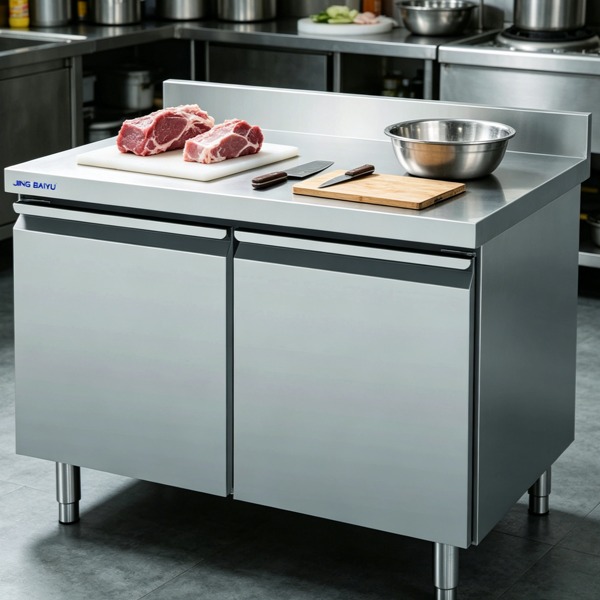
Selecting the Right Alloy: 304 vs. 316
When purchasing a workbench, the choice of alloy grade directly impacts its longevity and suitability for the specific environment. Grade 304 stainless steel, which contains eighteen percent chromium and eight percent nickel, is the industry standard for most general food preparation tasks. It provides excellent corrosion resistance for bakeries, delis, and hot-food prep areas. The metal is easily fabricated, readily available, and meets the stringent requirements of food equipment safety standards. However, in environments where salt exposure is routine, such as seafood processing plants or coastal facilities, grade 316 stainless steel is the superior choice. It contains the addition of two to three percent molybdenum, a metal that significantly boosts the alloy's resistance to chlorides. This extra durability prevents the pitting that would otherwise occur on a standard 304 surface when exposed to high-salt brines. While grade 316 carries a higher material cost, its extended service life in these harsh environments makes it a prudent financial decision.
Why Inferior Alloys Are Unsuitable for Food Contact
It is important to understand that not all stainless steel alloys are created equal. Some lower-cost alloys, such as grades 201 and 430, are frequently marketed as food-grade, but they lack the critical alloying elements required for true food safety. Grade 201 substitutes a portion of the nickel content with manganese, which severely degrades the metal's resistance to corrosion. Grade 430 is a ferritic alloy that contains no nickel at all, making it highly susceptible to rust in damp environments. These alloys will begin to pit and corrode shortly after being installed in a kitchen, exposing the user to the risk of bacterial harborage. They fail to meet the established safety standards for food equipment and should never be used in a commercial food preparation setting.
Weld Quality: Eliminating Hidden Crevices
The construction method of the workbench is just as important as the material. If the workbench is assembled using standard mechanical fasteners or poor-quality welding, the joints will contain microscopic crevices. In these narrow gaps, food particles will become trapped and impossible to clean. To prevent this, professional manufacturers utilize TIG welding, which produces exceptionally clean, precise seams. Following the welding process, every joint is meticulously ground down, polished, and passivated. This treatment restores the protective chromium oxide layer to the weld area, ensuring that the entire surface, including the joints, is non-porous and easy to sanitize.
The Importance of Hygienic Geometry
A food-safe workbench must also be designed with a geometry that does not trap water or debris. Sharp, ninety-degree interior corners create dead zones where cleaning solutions cannot reach. Leading manufacturers use coved corners, which feature smooth, radiused transitions at the intersections of the workbench panels. This design ensures that water and cleaning solutions can flow freely across the surfaces, preventing the stagnation that leads to biofilm development.
Integrating the Workbench into a Food Safety Management System
Ultimately, a certified workbench is only one piece of the puzzle. To achieve true safety compliance, the workbench must be integrated into the facility's broader food safety management plan. This means establishing and documenting a strict cleaning schedule, conducting regular swab tests to verify hygiene, and keeping accurate maintenance logs. When an auditor inspects a facility, they will look at the condition of the workbench and its role in the documented hazard control system. A facility that invests in high-grade stainless steel equipment and maintains it according to a rigorous schedule will consistently pass inspections and protect its customers.
How Manufacturing Quality Guarantees Long-Term Performance
Ultimately, the safety and longevity of a stainless steel workbench depend on the manufacturing discipline applied during its production. The precision of the laser cutting, the consistency of the TIG welding, and the quality of the surface polishing all dictate how the equipment will withstand years of daily use. Manufacturers who adhere to recognized quality management systems, such as ISO 9001, maintain strict material traceability and subject every workbench to rigorous surface finish inspection before shipping. For a facility manager who relies on their equipment to pass health inspections and protect their brand, sourcing workbenches from a disciplined, quality-focused manufacturer provides the ultimate confidence that their food preparation surfaces will remain safe, clean, and compliant for decades.