 EN

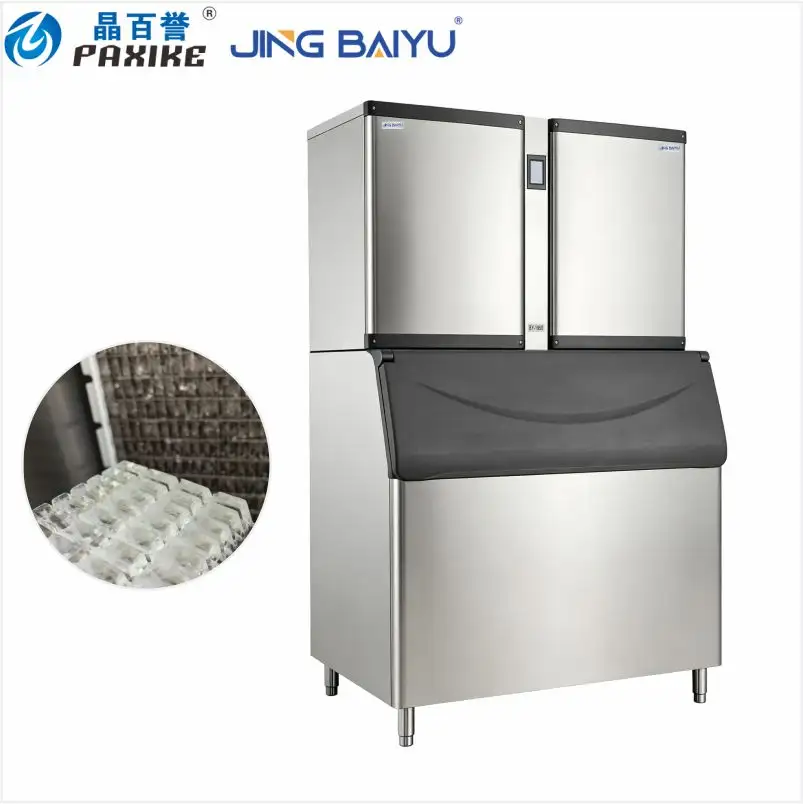
A Busy Sushi Bar That Cut Heat at the Counter
A Hot Kitchen Problem
A sushi bar in Sydney ran a self-contained cube maker beside the prep counter. On summer afternoons the condenser dumped heat into the small kitchen, raising the room past comfort and softening nearby fish display. The bin also grew noisy during service. A split type ice maker moving the condenser to the roof changed the counter climate. The split type ice maker removed the heat source from the busiest zone, letting the prep area stay cool and the ice stay plentiful.
The Split Layout Fix
The bar installed a split type ice maker: the ice head and bin stayed at the counter, while the remote condenser sat outside on a bracket. Refrigerant lines linked them through a small chase. Counter heat dropped, noise left the service area, and the bin kept filling through the dinner rush. The split type ice maker solved a space and comfort problem that an all-in-one unit could not, without relocating the whole bar.
Risks of All-in-One Units in Long Hours
Heat Rejection Into Serving Space
A self-contained commercial ice maker rejects heat where it sits. In a small kitchen or bar running long hours, that heat raises room temperature and forces the ice machine to work harder in warmer air, lowering output. The split type ice maker avoids this by moving rejection outside. The risk of an all-in-one in tight, hot spaces is lost capacity and an uncomfortable front-of-house during peak service.
Noise and Maintenance Access
All-in-one units place fan and compressor noise at the counter, which bothers guests and staff. They also hide the condenser behind the bin, making coil cleaning awkward. A split type ice maker puts the noisy, dirty part away from the user, improving both comfort and service access. The risk is not only annoyance; poor access leads to skipped cleaning and faster coil fouling under long-hour duty.
How Split Type Ice Maker Works
Remote Condenser Principle
A split type ice maker separates the ice-making head from the condenser. The head freezes and harvests ice at the point of use; the condenser, mounted remotely, rejects heat to outside air. Refrigerant flows between them through insulated lines. This split keeps the serving area cool and quiet. The principle is the same vapor-compression cycle, just distributed so heat lands where it causes no trouble.
Refrigerant Line and Cooling
The link between head and condenser must be sized and charged for the line length. A split type ice maker with correct line set keeps suction pressure stable and efficiency high; a poorly run line loses capacity and strains the compressor. Installers follow the maker's maximum run and rise. Good line work is why the split type ice maker sustains output in long-hour service better than a box fighting its own heat.
ASHRAE 15 and Install Rules
Refrigerant safety follows ASHRAE 15, which sets charge and ventilation rules, and NSF/ANSI 12 covers food-contact cleanability. A split type ice maker using R290 must respect charge limits per location; remote mounting often helps meet them. ISO 9001:2015 plants hold build tolerance. Correct install and certified parts turn the distributed design into a safe, efficient, audit-ready system.
Choosing a Split Type Ice Maker
Plan Location and Line Length
Before buying, decide where the head and remote condenser sit and measure the line run. A split type ice maker performs well within the maker's stated maximum length and rise; exceeding it cuts capacity. Check outdoor condenser access for cleaning and the chase for the line set. JINGBAIYU provides layout guidance and line specs so the split type ice maker is planned, not improvised, on site.
Clean and Service Both Units
Maintenance covers two pieces: sanitize the bin and head, descale the evaporator, and keep the remote condenser coil clean and unblocked. A split type ice maker needs the outside unit brushed free of dust and leaves so it rejects heat. Log both on one schedule. Neglecting the remote coil silently raises head pressure and shortens the compressor, undermining the long-hour benefit the split design delivered.
Frequently Asked Questions
Question: What is a split type ice maker?
Answer: A split type ice maker separates the ice head and bin from the condenser, mounting the condenser remotely so heat and noise leave the serving area. Refrigerant lines link the two. The design keeps the counter cool and quiet while the ice maker sustains output during long-hour service, unlike an all-in-one unit fighting its own rejected heat.
Question: Why choose a split type ice maker for long hours?
Answer: Long-hour use in a small, hot space overheats an all-in-one unit and cuts its output. A split type ice maker moves heat rejection outside, so the head runs in cooler air and keeps filling through the rush. It also removes counter noise and eases condenser cleaning, making sustained service quieter, cooler, and more reliable.
Question: Does a split type ice maker cost more to install?
Answer: Upfront cost is higher because of the remote condenser, line set, and install labor. A split type ice maker pays back in lower room-cooling load, steadier output, and easier service access during long hours. Plan location and line length to spec to avoid capacity loss. View it as a comfort and uptime investment, not just a bigger invoice.
Question: How long can the line be on a split type ice maker?
Answer: The maximum line length and rise are set by the maker; exceeding them drops capacity and strains the compressor. A split type ice maker should stay within the stated run, with correct sizing and charge. Measure the route before purchase and follow the install guide. Proper line work is why the distributed design sustains efficiency in daily long-hour duty.
Question: Is a split type ice maker safe with R290?
Answer: Yes, when built and installed to ASHRAE 15 charge and ventilation rules. A split type ice maker often places the R290 charge in the remote condenser, helping meet limits at the serving area. Use certified parts and trained installers, and follow NSF/ANSI 12 for food contact. Correct design and install keep the flammable refrigerant safely contained.
Question: How is a split type ice maker maintained?
Answer: Maintain both halves: sanitize the bin and head, descale the evaporator on schedule, and keep the remote condenser coil clean and unblocked. A split type ice maker needs the outside unit brushed free of dust so it rejects heat. Log both on one plan; neglecting the remote coil raises head pressure and shortens the compressor under long-hour load.
Table of Contents
- A Busy Sushi Bar That Cut Heat at the Counter
- Risks of All-in-One Units in Long Hours
- How Split Type Ice Maker Works
- Choosing a Split Type Ice Maker
-
Frequently Asked Questions
- Question: What is a split type ice maker?
- Question: Why choose a split type ice maker for long hours?
- Question: Does a split type ice maker cost more to install?
- Question: How long can the line be on a split type ice maker?
- Question: Is a split type ice maker safe with R290?
- Question: How is a split type ice maker maintained?