 EN
EN

Navigating the complex landscape of commercial refrigeration compliance
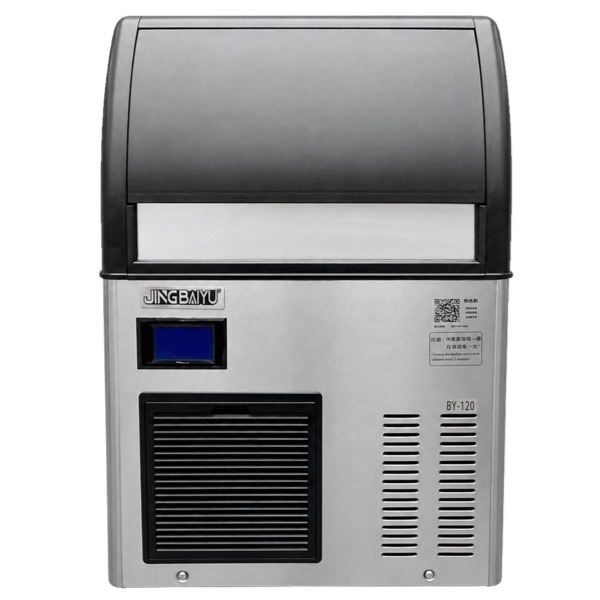
Selecting the right commercial ice maker involves balancing immediate operational requirements against long-term risk management. In high-volume food service, hospitality, and healthcare environments, food preparation equipment faces rigorous scrutiny. Compliance goes beyond checking a regulatory box; it ensures structural safety, legal compliance, and daily operational dependability. When global procurement teams or independent restaurant owners evaluate refrigeration infrastructure, third-party certifications offer an objective baseline. These standards separate reliable equipment from unverified models that could cause electrical failures, health department closures, or high utility bills. Evaluating these certifications helps buyers assess an equipment line's engineering quality and manufacturing standards.
Core certification benchmarks for industrial refrigeration infrastructure
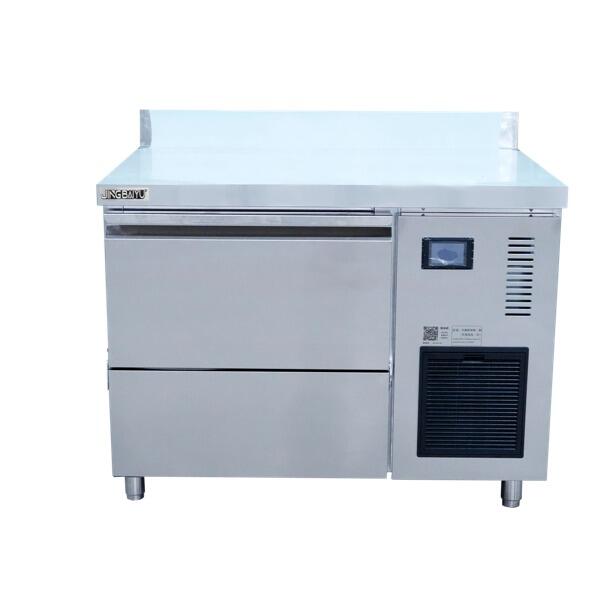
To help procurement managers quickly evaluate equipment compliance, the following matrix outlines the essential global standards required for any reliable commercial ice maker:
| Certification | Primary Focus Area | Operational Impact | Target Market |
| NSF/ANSI 12 | Sanitation & Cleanability | Prevents biofilm; ensures food safety | Global / North America |
| UL 563 / ETL | Electrical & Mechanical Safety | Eliminates fire hazards and voltage risks | North America |
| Energy Star | Energy & Water Efficiency | Lowers utility expenses by 10% to 20% | Global / North America |
| CE Mark | European Conformity | Guarantees legal compliance for deployment | European Union / Global |
Sanitation credentials that guarantee public health and consumer trust
Food safety remains the top priority for any commercial kitchen, and ice is legally classified as food. Uncertified refrigeration systems often feature poor structural design, creating dead spaces where biofilm, mold, and scale can build up out of sight. This makes NSF/ANSI Standard 12 crucial for any qualified commercial ice maker. This benchmark ensures the machine uses non-toxic, corrosion-resistant materials that resist bacteria growth and tolerate frequent chemical cleanings. Field inspections show that food-zone components without these specific material ratings degrade quickly when exposed to sanitizers. By enforcing strict cleanability criteria, these sanitation credentials protect business owners from foodborne illness outbreaks and ensure smooth health department inspections.
Electrical and mechanical safety foundations for heavy industrial use
A reliable commercial ice maker operates almost continuously, managing water, high voltage, and complex refrigeration cycles under hot kitchen conditions. This intense environment requires proven electrical safety. Certifications from Underwriters Laboratories (UL 563) or Intertek (ETL) prove that a machine has passed rigorous testing for electrical shock risks, structural strength, and thermal overloads. In industrial kitchens, voltage spikes and high humidity can strain electrical systems. During a recent facility upgrade, a regional catering group experienced frequent breaker trips because they installed non-certified cooling units. Upgrading to UL-listed equipment resolved the issue, proving that proper component engineering prevents downtime, protects staff, and reduces fire hazards.
Energy efficiency benchmarks that protect operational margins
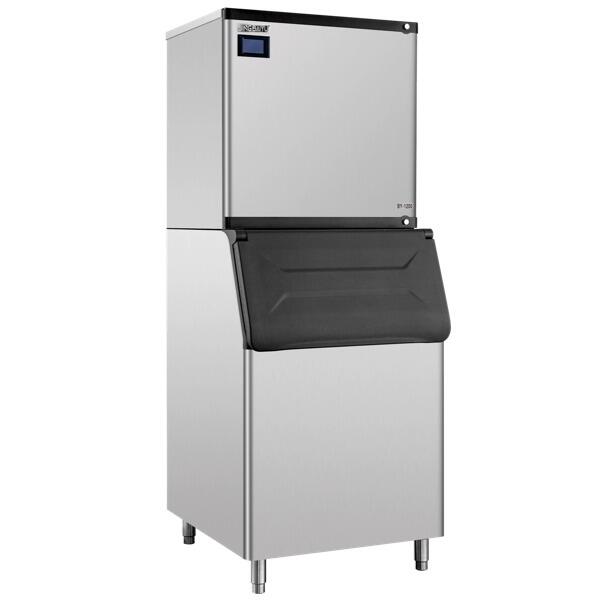
Beyond health and safety, an ice machine's ongoing operational costs directly affect a business's bottom line. Refrigeration units consume significant electricity and water, making energy efficiency critical for managing utility costs. Choosing a commercial ice maker with Energy Star certification ensures the unit meets strict efficiency standards set by the Environmental Protection Agency. These certified machines typically use advanced compressors, optimized condenser coils, and smart harvest cycles to use roughly 10% to 15% less energy and up to 20% less water than conventional models. Over a multi-year service life, these utility savings easily offset the initial purchase premium, turning environmental compliance into a clear financial benefit.
Global market access and standardized cross-border deployment
For international restaurant chains, hotel franchises, and global procurement networks, supply chain uniformity is essential. Deploying equipment across different continents requires compliance with international standards, such as the CE mark for European markets. The CE mark proves that a commercial ice maker complies with essential European health, safety, and environmental laws, including the Low Voltage Directive and Electromagnetic Compatibility mandates. For international buyers, choosing a manufacturer that maintains these global compliance standards simplifies shipping and installation logistics. Working with a vendor that handles multi-regional certifications removes regulatory hurdles, ensuring smoother international rollouts and consistent performance across diverse geographic markets.
Manufacturing excellence and supply chain reliability in modern engineering
The strength of a certified product depends on the factory that builds it. True engineering excellence requires rigorous quality management and sophisticated production capabilities. This is where advanced industrial providers like Topso Lithos excel. Known for robust manufacturing capability and versatile supply chain services, Topso Lithos blends precision engineering with global compliance standards. The brand ensures that every commercial ice maker delivers consistent performance under heavy use by managing strict quality control throughout production. For B2B buyers seeking reliable OEM and ODM solutions, Topso Lithos offers the technical expertise, production capacity, and certified reliability needed to support business growth and secure long-term operational success.
Table of Contents
- Navigating the complex landscape of commercial refrigeration compliance
- Core certification benchmarks for industrial refrigeration infrastructure
- Sanitation credentials that guarantee public health and consumer trust
- Electrical and mechanical safety foundations for heavy industrial use
- Energy efficiency benchmarks that protect operational margins
- Global market access and standardized cross-border deployment
- Manufacturing excellence and supply chain reliability in modern engineering