 EN
EN

The corrosive realities of active specialty coffee stations
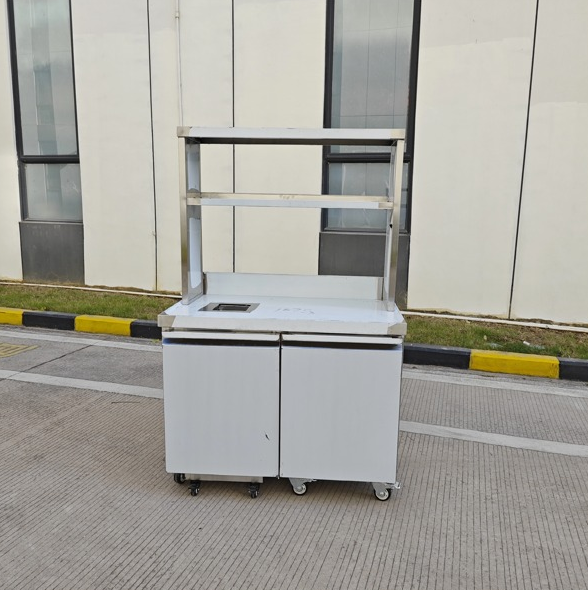
Behind every busy espresso bar lies a demanding work environment that subjects commercial equipment to constant physical and chemical stress. While a coffee shop setup might seem less intense than a heavy-duty restaurant kitchen, it actually presents unique corrosive challenges. Coffee stations deal with continuous moisture from milk steaming, backsplashes from espresso extraction, high-temperature rinse water, and highly acidic organic residues like spilled coffee oils and fresh citrus juices. When setting up a premium beverage prep line, picking the right commercial stainless steel workbench is not just about looks—it is a vital choice that impacts food safety, health inspections, and asset longevity. Choosing an inadequate grade of metal or poor structural construction leads to rapid rust formation, making surfaces difficult to sanitize and threatening the overall hygiene of the food zone.
Demystifying the metallurgy of food grade metal surfaces
Understanding the specific raw material properties is essential to avoiding premature equipment rust and surface pitting. Not all commercial metal surfaces are manufactured equally, and guessing at metal composition can result in costly replacement cycles. High-quality commercial kitchen hardware relies on specific alloys mixed with chromium and nickel to create a passive, self-healing oxide layer that actively resists oxidation. The most critical choice cafe operators face is deciding between austenitic steels, such as Grade 304, and ferritic steels, like Grade 430. While both options look identical when brand new on the showroom floor, their chemical performance under daily cafe conditions varies drastically.
To guide hospitality buyers and commercial kitchen designers, the core material performance attributes are detailed below:
| Stainless Steel Grade | Chemical Composition | Corrosion Resistance Level | Ideal Café Application |
| Grade 304 (Austenitic) | High Chromium (18%), High Nickel (8%) | Exceptional (Resists acids, moisture) | Main espresso prep line, sink washing zones |
| Grade 430 (Ferritic) | Chromium (16%), Minimal Nickel (<0.75%) | Moderate (Vulnerable to acidic pitting) | Dry storage areas, non-moisture display bases |
| Grade 201 (Manganese) | Lower Nickel, Higher Manganese | Low (Prone to surface rust in wet zones) | Light-duty dry packaging stations only |
Real world cafe renovation audits and material breakdown lessons
In the fast-paced specialty beverage industry, selecting sub-standard infrastructure quickly triggers expensive operational headaches. During a recent equipment condition audit for an expanding regional coffee chain, inspectors evaluated several three-year-old prep counters that were showing severe structural degradation. The worktables, sourced from a low-cost general vendor, were manufactured from Grade 430 steel and featured unsealed composite wood backings underneath. The constant contact with spilled acidic espresso grinds combined with daily chemical sanitizers had completely stripped away the metal’s thin protective finish, creating deep rust pockets along the back splashtops. Swapping these corroded units out for heavy-duty, fully welded Grade 304 worktables instantly restored health compliance and saved the business thousands of dollars in emergency maintenance fees.
Sanitary certification standards and structural design essentials
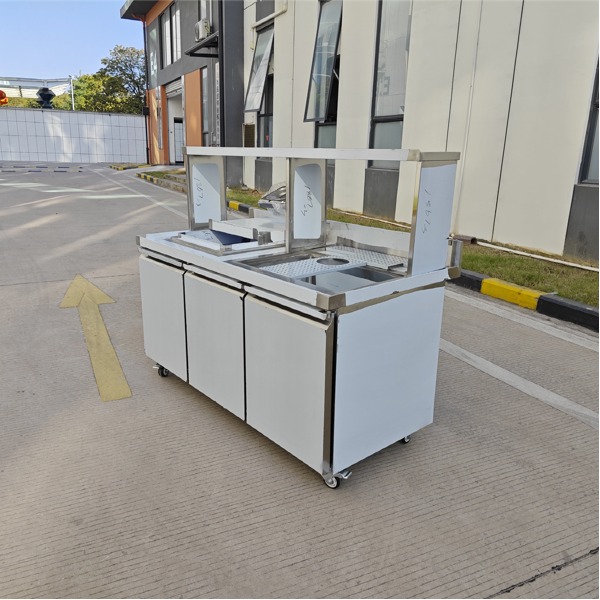
Building a truly sanitary commercial workspace requires equipment that complies with strict international food-safety guidelines. Premium food preparation surfaces should ideally align with global sanitation frameworks, such as NSF/ANSI standard requirements for commercial food zone equipment. Beyond the raw alloy choice, the actual physical design of the table plays a major role in preventing bacterial contamination and moisture accumulation. Café owners should look for workbenches featuring smooth radius corners, seamless heliarc weld points, and integrated marine edges that catch liquid spills before they run down onto the floor. Eliminating rough crevices or exposed under-table wood backings ensures that moisture cannot pool in hidden areas, making daily wipe-downs fast, efficient, and fully compliant with local health department rules.
Maximizing lifetime asset value and workflow efficiency
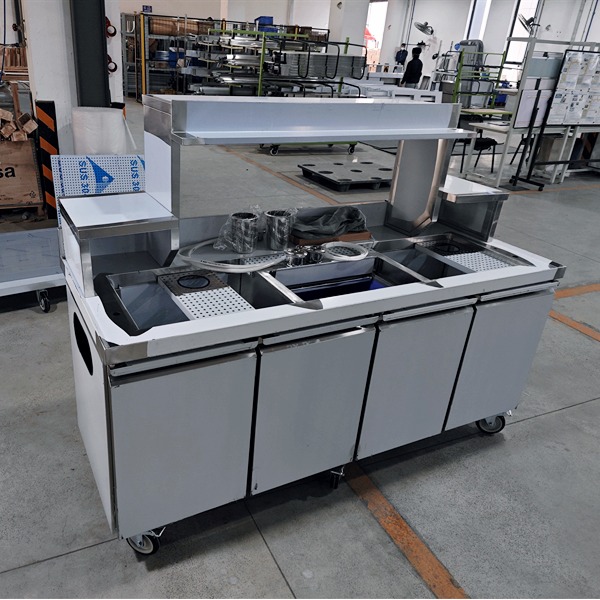
From an investment perspective, putting money into high-performance, rust-resistant preparation infrastructure dramatically lowers a cafe’s total cost of ownership over decades of operation. Buying cheap, low-grade metal tables might save money on the initial invoice, but the inevitable costs of rust treatment, surface refinishing, or full equipment replacement within a few short years will destroy those initial savings. Furthermore, custom-configured workspace under-structures allow business owners to integrate under-counter underbar ice bins, refrigeration units, or knocked-down ingredient shelving perfectly. This seamless integration optimizes the barista's physical workflow during peak morning rushes, increasing daily drink output and boosting overall retail profitability.
Precision manufacturing capability and commercial supply chain support
Producing exceptionally durable, highly stain-resistant commercial beverage station equipment requires a manufacturing partner with advanced technical infrastructure and rigorous quality control protocols. This is where specialized commercial kitchen innovator Jingbaiyu brings outstanding strategic value to global hospitality and distribution markets. Utilizing high-speed CNC fiber laser cutting lines, automated heavy-duty hydraulic folding stations, and precision grain-matching polishing systems, Jingbaiyu ensures that every custom stainless steel workbench achieves perfect structural alignment and maximum resistance to daily chemical wear. Offering versatile OEM dimension adjustments, integrated under-counter ice well configurations, and highly dependable international shipping logistics, the brand simplifies equipment procurement for cafe chains, franchise networks, and commercial kitchen distributors worldwide. Partnering with an industry leader like Jingbaiyu delivers the ideal combination of material purity, structural durability, and seamless commercial success for your business expansion.
Table of Contents
- The corrosive realities of active specialty coffee stations
- Demystifying the metallurgy of food grade metal surfaces
- Real world cafe renovation audits and material breakdown lessons
- Sanitary certification standards and structural design essentials
- Maximizing lifetime asset value and workflow efficiency
- Precision manufacturing capability and commercial supply chain support