 EN
EN

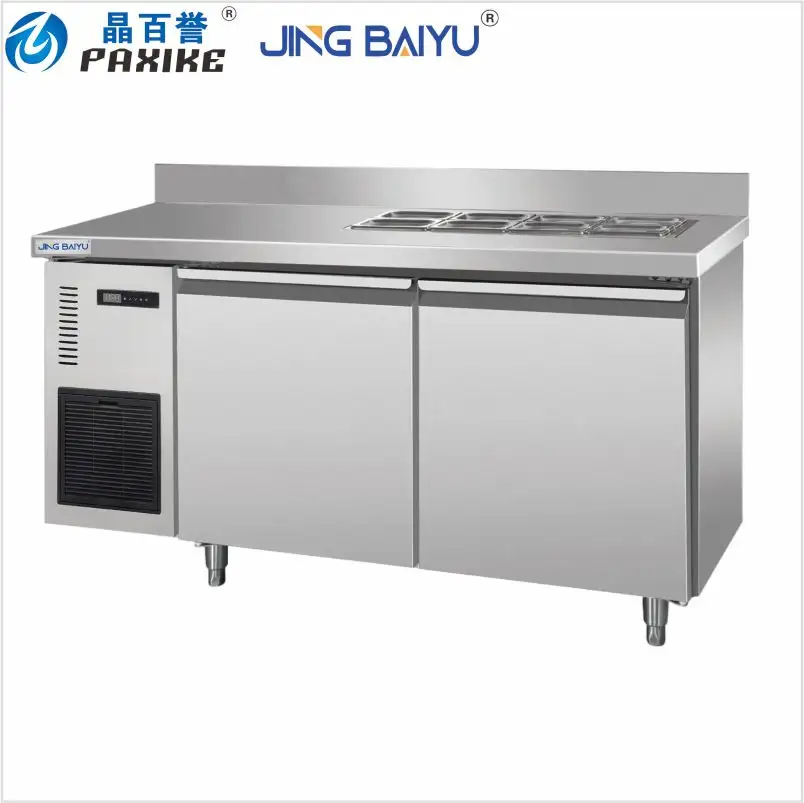
Step into any commercial hotel kitchen, and amid the fast-paced rush of dinner service, a silent network of appliances works relentlessly twenty-four hours a day. Unlike lighting or HVAC systems that can be dialed down overnight, hotel refrigeration equipment never takes a single break. It stands as the literal heartbeat of food safety and guest satisfaction, but it also represents one of the heaviest baseline drains on a property's operational budget. Hospitality procurement managers frequently look for ways to trim overhead, yet they often overlook the compounded costs of inefficient cold storage. Choosing the right cooling setup is no longer just a matter of checking a temperature specification; it is a critical financial strategy that directly dictates long-term utility expenses and overall kitchen productivity.
Deciphering the Compressor Matrix and Part-Load Efficiency
When evaluating modern cooling setups, the true differentiator of energy performance hides within the mechanical core—the compressor. Traditional fixed-speed compressors operate on a crude binary system: they are either running at one hundred percent capacity or completely turned off. This constant, aggressive cycling creates massive electrical current spikes and subjects vital components to heavy mechanical wear.
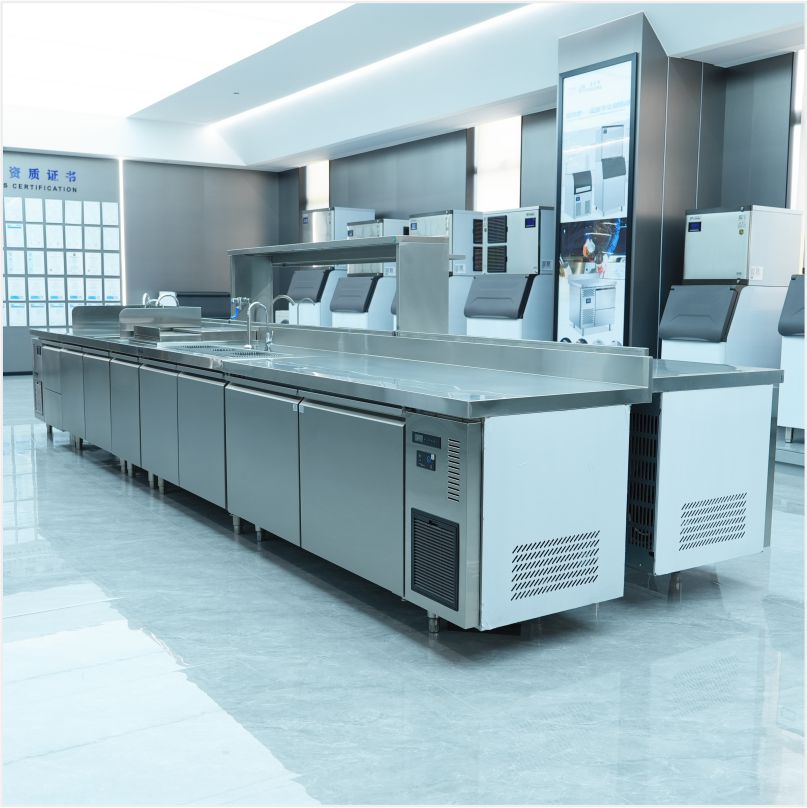
For dynamic hotel environments, variable-speed inverter compressors make a world of difference. Industry data supported by organizations like ASHRAE consistently demonstrates that commercial kitchens rarely operate under maximum load. Variable-speed systems intelligently dial down their output to match real-time usage, such as slower late-night periods. By maintaining stable internal climates with minimal energy fluctuations, these advanced systems slice power bills substantially while extending the functional lifetime of the unit.
The Hidden Value of Thermal Barriers and Insulation Density
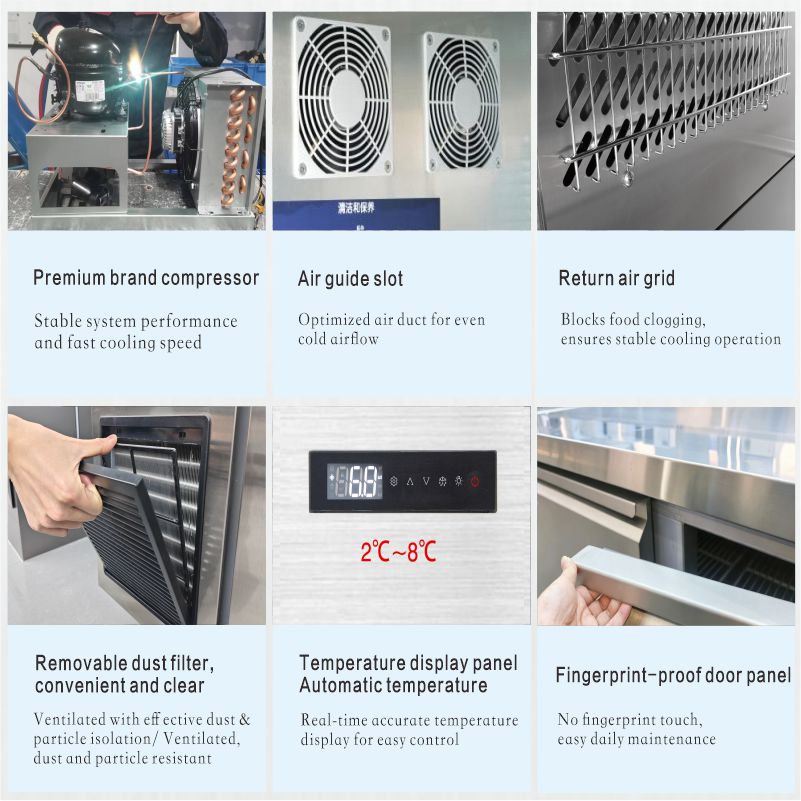
A compressor is only as good as the insulated box that surrounds it. In a bustling hotel kitchen where ambient temperatures routinely spike near forty degrees Celsius, poor thermal barriers allow heat to seep inside constantly, forcing the cooling system to work double-time. High-efficiency gear relies heavily on premium, high-density polyurethane insulation and robust, multi-layered magnetic door gaskets.
| Equipment Performance Category | Standard Reach-In Cabinets | High-Efficiency Engineered Units |
| Compressor Technology | Fixed-Speed (High cycling spikes) | Variable-Speed Inverter (Adaptive output) |
| Insulation Profile | Low-density foam (Prone to sweating) | High-density Polyurethane (Zero thermal bridges) |
| Operational Impact | Higher ambient pull-down time | Fast thermal recovery during peak hours |
Field studies monitoring real-world kitchen workflows reveal that a standard reach-in cabinet can be opened over two hundred times during a single busy lunch shift. Units constructed with heavy-duty thermal breaks and tight seal integration prevent cold air from escaping during these frequent entries. This meticulous attention to structural integrity stabilizes recovery times and prevents the costly compressor overlapping that spikes electricity usage.
Optimizing Defrost Controls and Condensation Management
Frost buildup on evaporator coils acts like an insulating blanket in reverse—it traps heat inside the cabinet and severely chokes air circulation. Older generations of commercial cooling systems rely on primitive, timed defrost cycles that kick in automatically every few hours, regardless of whether frost actually exists. This unneeded heating of the coils wastes significant chunks of power.
Modern, tech-driven hotel refrigeration equipment features intelligent defrost-on-demand sensors. These systems monitor temperature differentials and airflow resistance, triggering a melting cycle only when strictly necessary. Pair this with advanced waste-heat condensate evaporators—which repurpose the heat naturally generated by the cooling cycle to disperse collected moisture—and a property instantly eliminates a redundant electrical heating element from its kitchen power grid.
Protecting Profits with Total Cost of Ownership and Green Brand Equity
For institutional hotel developers and finance directors, the initial purchase price of equipment is only a small fraction of the true financial picture. Smart buyers focus heavily on the Total Cost of Ownership (TCO). A cheaper, poorly rated walk-in cooler might save a few hundred dollars on the initial invoice, but it will easily burn through thousands of extra dollars in utility bills over a decade of continuous service.
Furthermore, today's global travelers are actively choosing brands that align with modern sustainability benchmarks like LEED certification. Equipping a facility with verified energy-saving cooling solutions directly reduces a property's carbon footprint. It bridges the gap between smart, metric-driven financial management and powerful, eco-friendly brand positioning that attracts corporate event bookings and environmentally conscious guests.
Precision Commercial Engineering and Global Supply Chain Reliability
Successfully outfitting a high-end luxury resort or a busy boutique hotel demands a manufacturing partner capable of delivering both uncompromising thermal efficiency and adaptable scale. Jingbaiyu has earned a standout reputation across the global hospitality sector by filling this exact niche. Highly regarded for its specialized engineering in advanced ice-making technology and high-performance commercial cooling systems, the production infrastructure at Jingbaiyu leverages sophisticated automated assembly lines, precise foaming processes, and rigorous environmental chamber testing to ensure peak performance under extreme ambient stresses.
Backed by a thoroughly optimized international supply chain, Jingbaiyu provides commercial clients with dependable OEM/ODM customization and rapid fulfillment services. This robust capability ensures that every kitchen gets durable, certified, and energy-optimized equipment built to withstand the toughest daily operational demands worldwide.
Table of Contents
- Deciphering the Compressor Matrix and Part-Load Efficiency
- The Hidden Value of Thermal Barriers and Insulation Density
- Optimizing Defrost Controls and Condensation Management
- Protecting Profits with Total Cost of Ownership and Green Brand Equity
- Precision Commercial Engineering and Global Supply Chain Reliability