 EN

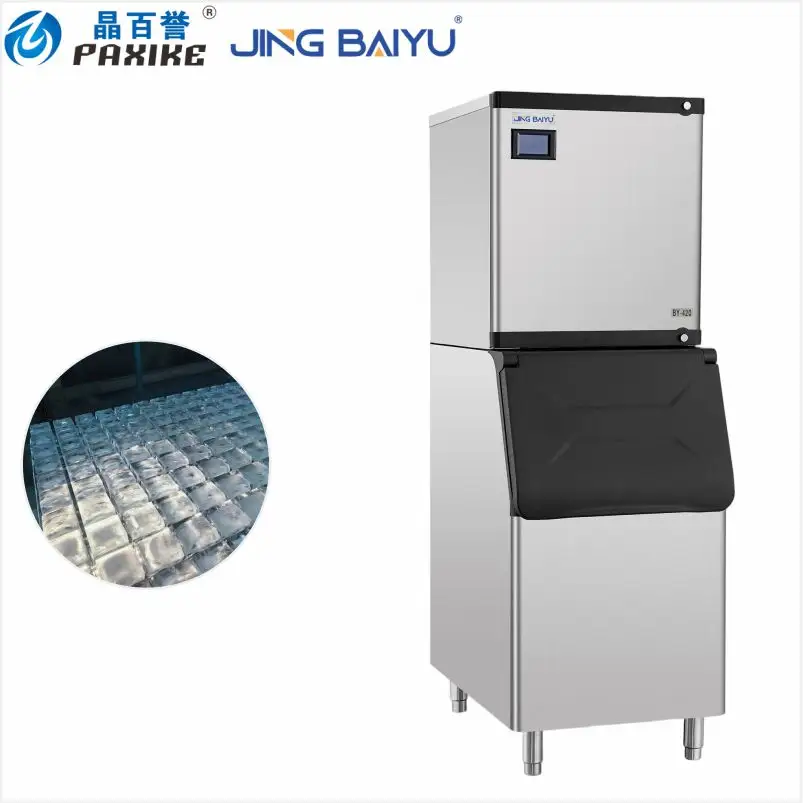
A Hospital Cafe That Ran Ice All Day
A 24-Hour Service Line
A hospital café in Canada needed crushed ice from 6 a.m. to midnight for patient trays and a staff line. The old counter unit cycled off by mid-afternoon and staff bought bagged ice to cover the gap. The facility specified a commercial ice maker rated for continuous duty with a larger bin and a quicker harvest. After install, the line ran through the full shift without a gap, and bagged-ice purchases stopped. The commercial ice maker proved that duty rating, not nameplate size, decided all-day reliability.
Where the Old Unit Faltered
The previous machine was sized for a quiet restaurant, not a 18-hour curve. Its compressor ran long, the bin emptied by peak, and heat built near the serving window. A commercial ice maker built for intermittent use cannot sustain the same load without longer off-time that the café never had. The failure was a mismatch between duty cycle and real demand, a common error when buyers size by bin alone.
Risks of Continuous Operation
Compressor Overheat and Wear
Running a commercial ice maker past its duty rating overheats the compressor and shortens life. Long hours without adequate off-time raise winding temperature and oil breakdown. The risk is a mid-summer failure during the busiest shift. Correct sizing and airflow turn continuous load into normal operation. Ignoring duty rating trades a small saving now for a premature, expensive compressor change later.
Scale and Contamination Buildup
Continuous water flow scales the evaporator and feeds biofilm if filters lapse. A commercial ice maker in daily long use needs stricter cleaning than a weekend unit. Mineral buildup insulates the plate, forcing longer cycles and more power. The risk is both hygiene and efficiency loss. A missed descaling schedule quietly raises cost and lowers output until the bin cannot keep up.
How Commercial Ice Maker Handles Long Hours
Duty Cycle and Compressor Design
A commercial ice maker rated for long hours uses a compressor and fan sized for sustained pull, with a harvest cycle short enough to refill the bin during lulls. The design assumes the machine runs most of the day, not in short bursts. JINGBAIYU and similar makers publish daily capacity at given ambient and water temperatures, which is the real duty number buyers should read, not the peak-hour claim.
Insulation and Harvest Efficiency
Steady output depends on bin insulation and a clean harvest. A commercial ice maker with thick insulation loses less cold between cycles, so the compressor rests more. Efficient harvest drops ice quickly without overcooling the plate. Together they let the unit meet demand at lower energy. The principle is simple: keep cold in the bin and move it out fast, so long hours need less total work.
NSF/ANSI 12 and Food Safety
Food-contact ice must meet NSF/ANSI 12 for materials and cleanability, and the operation should follow HACCP and local food code. A commercial ice maker running all day multiplies any contamination risk, so accessible cleaning and monitored water quality matter more than in low-use sites. ISO 22000-aligned plants add process control. Safe long-hour ice starts with a machine built and cleaned for the load.
Running a Commercial Ice Maker Steadily
Size Capacity to Peak Demand
Size a commercial ice maker by the busiest two hours, not the daily average. Add the bin needed to bridge lulls and a spare margin for heat waves. Confirm the rated capacity at your ambient and water temperature, since both cut output as they rise. JINGBAIYU provides capacity tables by condition. Right sizing keeps the bin full through peaks without forcing the unit past its duty rating.
Clean, Monitor, and Schedule
Set a cleaning calendar: sanitize the bin, descale the evaporator, and change water filters on the maker's schedule. Watch run time and bin level; a longer cycle signals scale or low charge. A commercial ice maker on a logged plan avoids surprise downtime. Schedule deep cleaning in a natural lull, and keep a spare filter on site so long-hour service never stops for a missing part.
Frequently Asked Questions
Question: Can a commercial ice maker run 24 hours?
Answer: Yes, when rated for continuous duty and sized to peak demand. A commercial ice maker built for long hours uses a compressor and bin sized for sustained pull, with short harvest cycles. Read the capacity at your ambient and water temperature, not the peak claim. With correct sizing and cleaning, all-day operation is normal, not abusive, service.
Question: What size commercial ice maker for all-day use?
Answer: Size by the busiest two hours plus a bin to bridge lulls. A commercial ice maker rated at your real ambient and water temperature — both cut output as they rise — gives the true number. Add margin for heat waves. Undersizing forces the unit past its duty rating and causes mid-shift gaps and early compressor wear.
Question: Does long-hour use wear out the machine faster?
Answer: Only if undersized or poorly maintained. A correctly specified commercial ice maker treats long hours as normal duty, with balanced compressor wear. The real wear comes from scale, low charge, and skipped cleaning. A logged maintenance plan and proper sizing let the unit serve extended shifts for years without premature failure.
Question: How much ice does a commercial ice maker make per day?
Answer: Daily capacity ranges widely by model and condition, commonly a few hundred to over a thousand kilograms. A commercial ice maker publishes rated output at set ambient and water temperatures; both cut yield as they climb. Read the condition-specific number, not the lab peak, and size to your busiest window for reliable all-day supply.
Question: What maintenance does a commercial ice maker need?
Answer: Clean the bin, descale the evaporator, and replace water filters on the maker's schedule; monitor run time and bin level for early fault signs. A commercial ice maker in long-hour use needs stricter cleaning than weekend units. Keep a spare filter on site and log service so contamination and scale never cut output during busy shifts.
Question: Is a commercial ice maker safe for food use all day?
Answer: Yes, with NSF/ANSI 12 compliance and a HACCP-minded routine. A commercial ice maker running continuously multiplies any hygiene gap, so accessible cleaning and monitored water quality matter more. Choose a unit built for food contact and follow the cleaning plan; safe all-day ice depends on both the machine and the discipline around it.
Table of Contents
- A Hospital Cafe That Ran Ice All Day
- Risks of Continuous Operation
- How Commercial Ice Maker Handles Long Hours
- Running a Commercial Ice Maker Steadily
-
Frequently Asked Questions
- Question: Can a commercial ice maker run 24 hours?
- Question: What size commercial ice maker for all-day use?
- Question: Does long-hour use wear out the machine faster?
- Question: How much ice does a commercial ice maker make per day?
- Question: What maintenance does a commercial ice maker need?
- Question: Is a commercial ice maker safe for food use all day?