Picking a suitable commercial ice‑maker is a critical business decision for restaurants, cafés, bars, hotels, supermarkets and other foodservice operators across Australia. A dependable ice‑maker guarantees consistent ice output, keeps daily operations running smoothly and improves customer experience.
That said, not every commercial ice‑maker fits all types of businesses. Before making a purchase, you need to take production capacity, ice shape, cooling method, installation conditions, energy efficiency and local compliance rules into full consideration.
Whether you are a restaurant owner, equipment distributor, importer or hospitality operator, this guide walks you through key points when buying commercial ice‑makers in Australia.
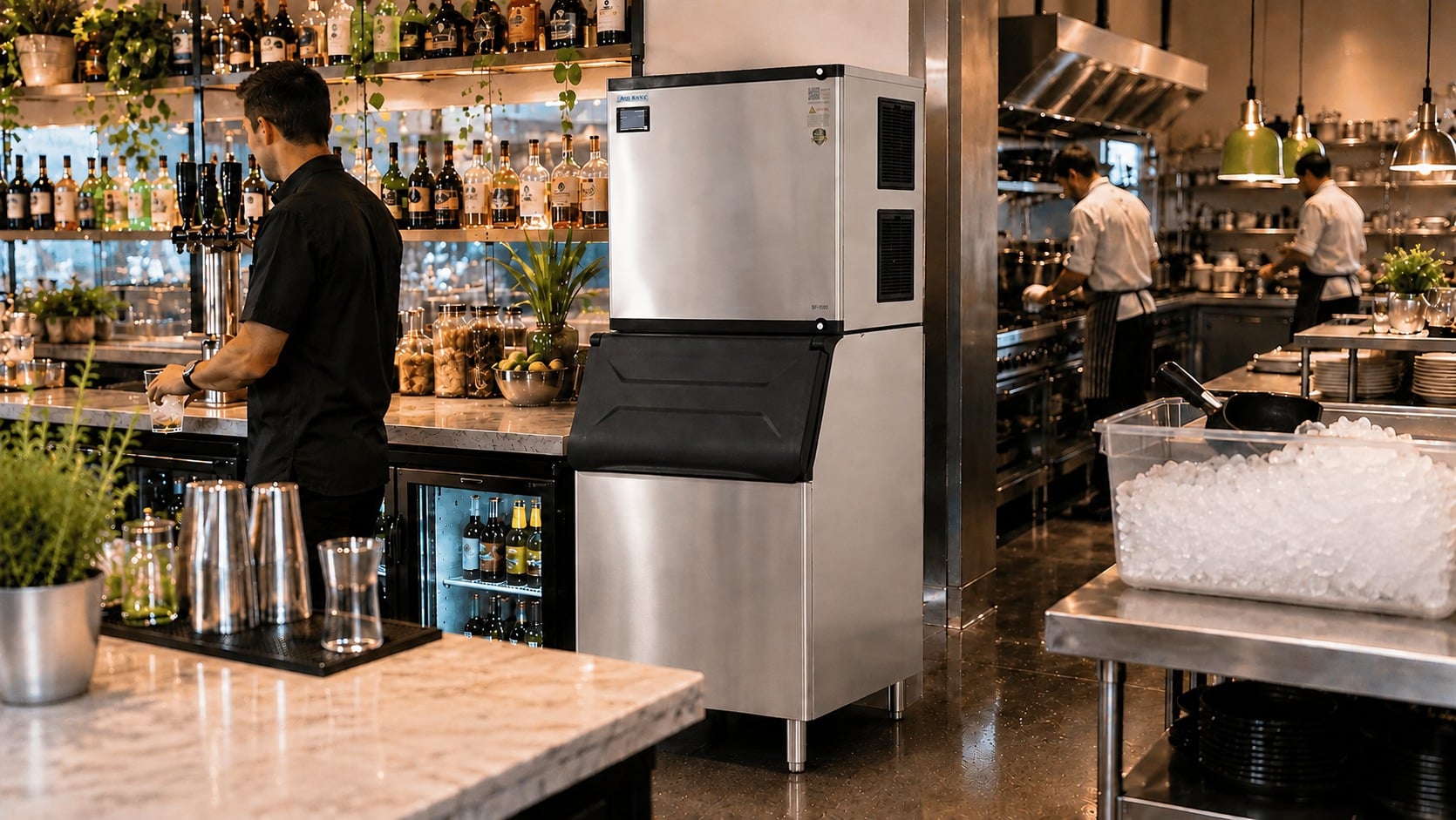
Australia has a diverse hospitality and foodservice industry. Ice is an indispensable supply for restaurants, cafés, hotels, bars and beverage shops on a day‑to‑day basis.
Common application scenarios for commercial ice‑makers are listed below:
For businesses with steady ice consumption, owning a well‑matched commercial ice‑maker reduces reliance on external ice suppliers and gives you better control over day‑to‑day operations.
Daily production output stands as one of the most important considerations when selecting a commercial ice‑maker in Australia.
Ice demand varies significantly from business to business. A small‑size compact unit may satisfy a tiny café, while busy restaurants, hotels and beverage outlets call for higher‑capacity ice‑makers.
Below are reference capacity ranges for initial planning:
| 24‑Hour Production Capacity | Pounds (approx.) | Typical Application Scenarios |
|---|---|---|
| 50–100 kg | 110–220 lbs | Small cafés and beverage stores |
| 100–150 kg | 220–330 lbs | High‑traffic cafés and restaurants |
| 150–200 kg | 330–440 lbs | Mid‑sized foodservice businesses |
| 200–300 kg | 440–660 lbs | Busy restaurants and bars |
| 300–450 kg | 660–990 lbs | Hotels and high‑demand premises |
These figures serve only as general benchmarks and do not represent guaranteed output for every machine.
Actual ice production is affected by unit model, ambient temperature, incoming water temperature, ventilation, water quality and operating conditions.
Before buying, assess these factors:
Your selected ice‑maker should cover regular daily usage and leave sufficient buffer capacity for peak periods.
Commercial ice‑makers produce ice in various shapes for different use cases. Choosing the correct ice form boosts drink presentation and operational efficiency.
Cube ice is widely adopted in restaurants, cafés, hotels and bars, ideal for soft drinks, iced coffee, cocktails and general beverage service.
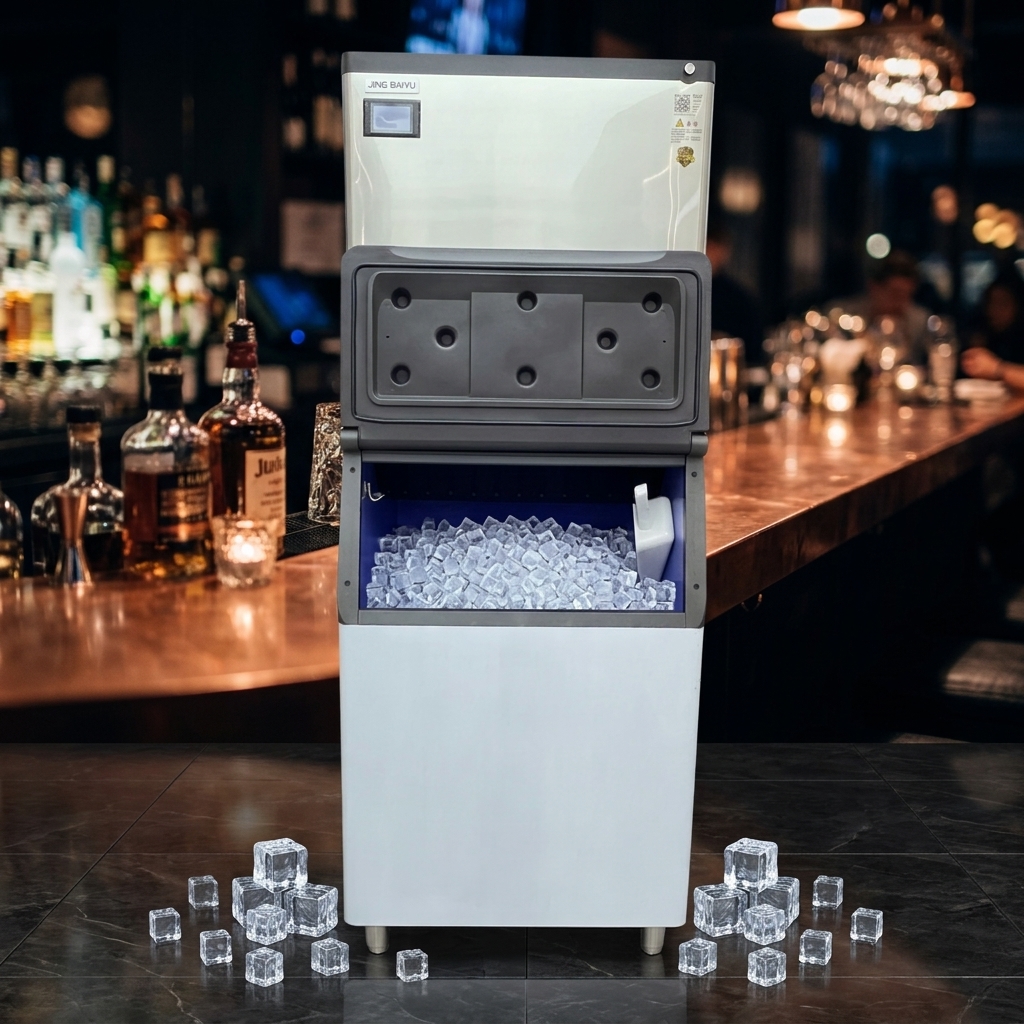
Half‑cube ice is popular among beverage shops and restaurants. Its smaller size makes it easy for cup filling and cold‑drink preparation.
Large cube ice is favoured by bars and premium beverage venues, perfect for spirits such as whisky that require big ice cubes.
Crescent‑shaped ice is another practical option suitable for a broad range of cold‑drink services.
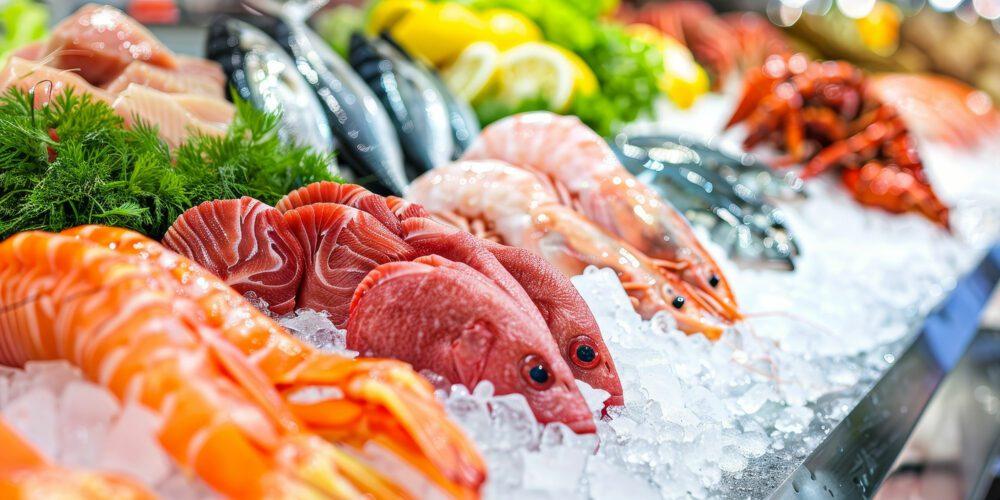
Granular ice is mainly used for seafood display, food preservation and other commercial cooling applications.
Cylinder ice is highly sought‑after in the beverage sector. Featuring solid long cylinders, it works well for bubble tea, coffee, cocktails and sodas.
When shopping for commercial ice‑makers, always match ice shape to your business needs rather than making decisions solely based on production capacity.
The cooling method determines installation requirements, operating environment and maintenance routines.
Air‑cooled units dissipate heat from the refrigeration system using ambient air.
Advantages:
Bear in mind that sufficient clearance must be reserved around air intake and exhaust vents. Poor ventilation or high surrounding temperature will lower ice‑making output.
Water‑cooled ice‑makers remove heat by means of running water.
This type is worth considering for sites with poor air circulation, where air‑cooled units cannot perform optimally.
Prior to purchase, evaluate water consumption, drainage set‑ups, installation costs and local operating conditions.
Your final cooling‑method choice should be based on installation surroundings, available utilities and official manufacturer recommendations.
When purchasing commercial ice‑makers in Australia, do not merely compare price and production capacity.
Check the following points before installation:
Correct installation ensures stable equipment performance and simplifies routine maintenance work.
Quality commercial ice‑makers are engineered for heavy‑duty commercial use.
Evaluate stainless‑steel construction, food‑grade contact materials, refrigeration components, insulation performance, water‑circuit design and local spare‑parts availability.
Routine work including condenser cleaning, water‑filter replacement and scheduled sanitising preserves ice quality and keeps the machine running efficiently.
For Australian importers, wholesalers and distributors, selecting a trustworthy manufacturer is just as vital as choosing the right ice‑maker model.
Evaluate potential suppliers against these criteria before placing orders:
A reputable supplier can clearly explain product specifications and provide documentation you need for import and compliance assessment.
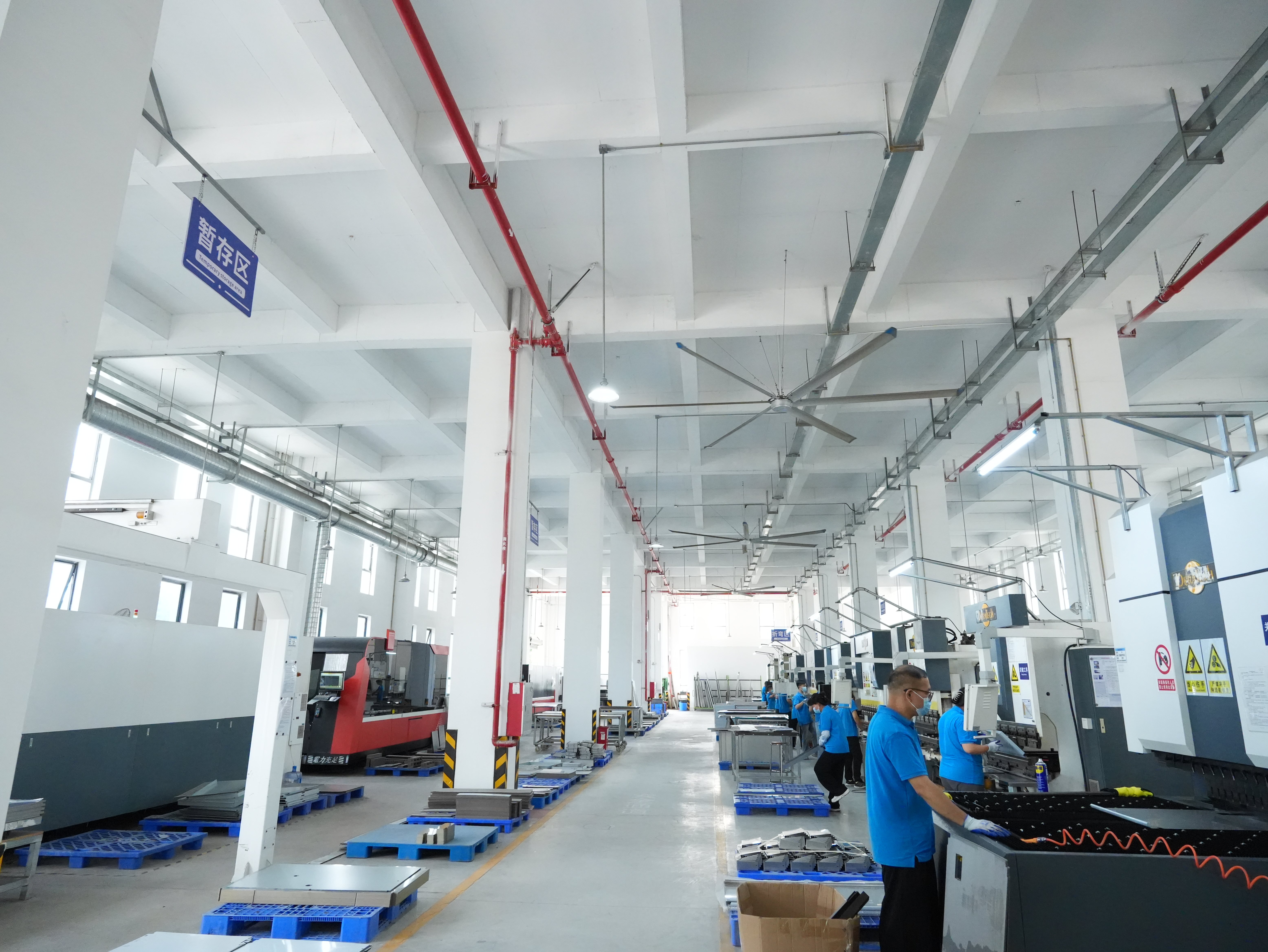
Guangdong Jingbaiyu Refrigeration Equipment Co., Ltd. (JINGBAIYU) is a commercial refrigeration manufacturer based in Qingyuan, Guangdong, China. We integrate R&D, production, sales and after‑sales support in‑house.
Our manufacturing capabilities include:
For Australian importers and distributors, JINGBAIYU can discuss custom ice shapes, production capacities, machine configurations and tailored solutions.
If you are sourcing commercial ice‑makers for cafés, restaurants, hotels or resale businesses, our team can help assess suitable product specifications for your projects.
Feel free to contact JINGBAIYU for product brochures, technical specifications and wholesale partnership information.
Q1: What commercial ice‑maker works best for Australian cafés?
The ideal unit depends on daily beverage sales, peak‑hour ice demand, available installation space and preferred ice shape. Many cafés opt for cube‑ice or half‑cube‑ice machines for iced coffee and cold beverages.
Q2: How much ice does a restaurant consume per day?
Ice consumption varies with customer volume, menu offerings, beverage turnover and opening hours. Restaurants should estimate daily usage together with peak‑time demand before confirming required capacity.
Q3: Should I pick an air‑cooled or water‑cooled ice‑maker?
Air‑cooled units require ample ventilation, while water‑cooled models need proper water supply and drainage. The best solution hinges on installation location and operating‑cost considerations.
Q4: Can Australian distributors buy commercial ice‑makers directly from Chinese manufacturers?
Yes. Australian importers and distributors can engage directly with Chinese manufacturers to negotiate bulk orders, OEM / ODM requirements, technical parameters and shipping logistics. You must verify relevant Australian compliance standards prior to importing or reselling the equipment.
Selecting the appropriate commercial ice‑maker for Australia calls for careful evaluation of production capacity, ice shape, cooling technology, energy efficiency, installation requirements and local compliance regulations.
For cafés, restaurants, hotels, bars and equipment distributors, choosing equipment aligned with real‑world operational requirements secures stable daily performance and delivers long‑term value.
JINGBAIYU supplies a full selection of commercial ice‑makers and refrigeration equipment for international buyers. Reach out to our team with your business requirements, and we will work together to develop commercial ice‑making solutions tailored for the Australian market.

Copyright © 2026 by Guangdong Jingbaiyu Refrigeration Equipment Co., Ltd. - Privacy policy
 EN