 EN
EN

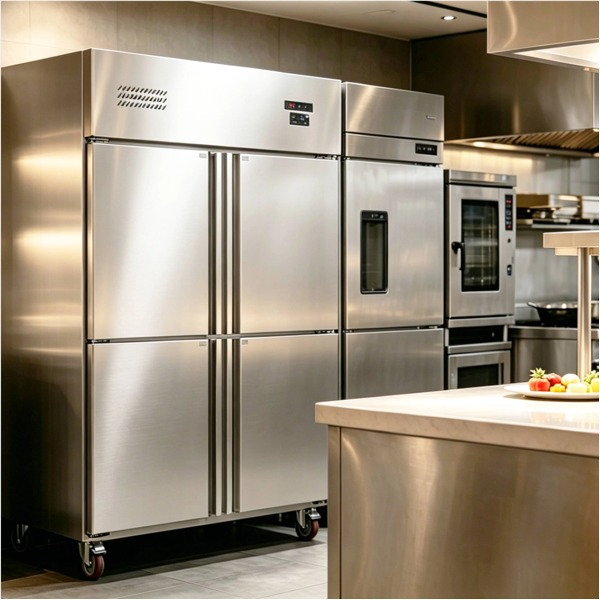
The Core Engine of Modern Food Supply Chains
Central kitchens act as the unsung heroes behind the scaling success of modern multi-location restaurant chains, corporate catering systems, and food delivery networks. Unlike a standard restaurant kitchen that preps meals for a single dining room, a centralized facility handles massive raw ingredient volumes, complex meal portioning, and strict logistics schedules. Managing this high-velocity throughput demands a massive operational shift, where the single biggest bottleneck is temperature control. Installing standard consumer-grade coolers or basic commercial reach-ins simply will not cut it. Sourcing the right specialized catering refrigeration equipment is what bridges the gap between chaotic production bottlenecks and a perfectly streamlined, biosecurity-compliant food manufacturing line.
The Cold Science of Rapid Core Temperature Reduction
To understand why specialized cold storage infrastructure matters, it helps to examine the thermal physics of high-volume food production. When a central kitchen cooks hundreds of kilograms of hot sauces, stews, or proteins simultaneously, getting those items safely through the bacterial danger zone between 4°C and 60°C is an urgent race against time. Standard walk-in coolers are designed to maintain already-chilled food temperatures, not to drop hot core masses quickly. Relying on them for hot foods raises the ambient room temperature, putting surrounding inventory at critical risk. Specialized blast chillers and shock freezers utilize high-velocity air circulation loops and premium compressors to pull heat out of dense product cores within minutes, locking in cell moisture and stopping bacterial proliferation instantly.
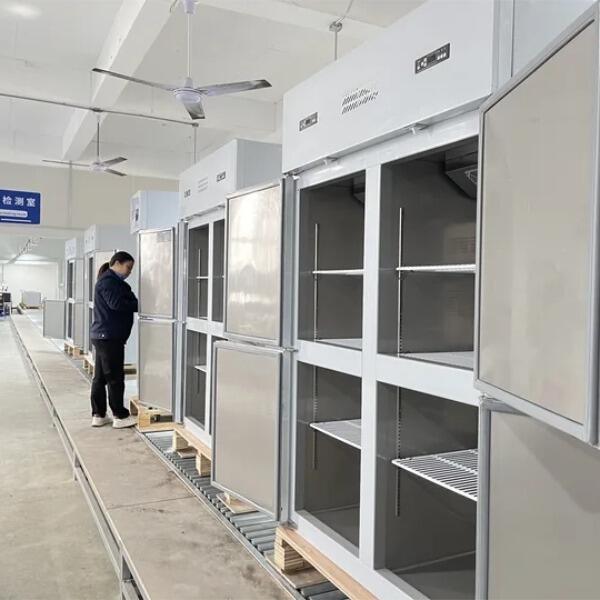
The technical table below breaks down the primary cooling technologies required to run a high-output production facility:
| Equipment Category | Primary Application | Target Core Temperature | Operational Purpose |
| Industrial Blast Chillers | Rapid post-cooking cooldown | Pulls down to 3°C in under 90 mins | Stops bacterial growth, locks in food flavor |
| Heavy-Duty Deep Freezers | Bulk raw ingredient storage | Maintained at -18°C or lower | Extends product shelf life for months |
| Modular Walk-In Coolers | Active preparation zone storage | Steady 2°C to 4°C environment | Organizes prepped inventory for daily shipping |
| High-Output Ice Machines | Seafood packing & cold baths | Sub-zero flaky or cube ice | Protects fresh inventory during transit |
Lessons From a Multi-Location Chain Expansion
A clear example of this technical transition involved a rapidly growing fast-casual restaurant brand that consolidated its food preparation into a single 5000-square-meter hub. Initially, the management team tried using deep walk-in units to chill large batches of cooked marinated beef. Because the center of the deep pans remained warm for hours, surface condensation formed, resulting in premature spoilage and a 12% loss on weekly batches. The facility corrected this by integrating a high-capacity roll-in blast chilling system into their line. This simple hardware update reduced core cooling times from five hours to just seventy minutes. The instant result was uniform food flavor profiles across all retail stores, a total elimination of batch spoilage, and far less stress on the factory floor.
What International Biosecurity Authorities Mandate
The technical architecture of large-scale commercial storage follows rigorous international safety guidelines like HACCP frameworks and ISO 22000 food safety management systems. Regulatory compliance officers point out that cross-contamination is the number one hazard in centralized production spaces. Therefore, appropriate catering refrigeration equipment must feature smooth, non-porous 304-grade stainless steel surfaces, radius interior corners for quick sanitization, and automated digital temperature logging sensors. These advanced digital systems provide clear, unalterable proof of continuous cold chain integrity, shielding businesses from devastating legal liabilities and passing unexpected health audits with flying colors.
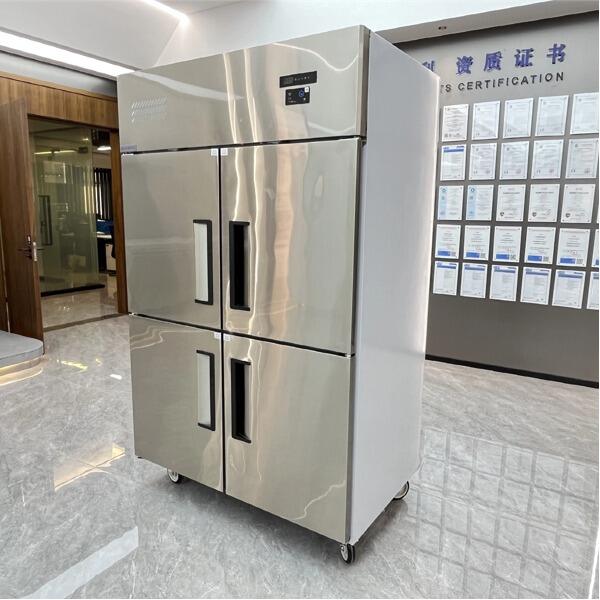
Evaluating Long-Term Commercial Value and Energy Metrics
Looking strictly at the initial capital expenditure of cold-chain machinery is a classic trap for procurement departments. The real cost of heavy machinery reveals itself in the monthly utility bills and mechanical upkeep logs over a ten-year operational cycle. Low-efficiency refrigeration units suffer from constant compressor cycling when subjected to continuous door openings, leading to premature motor burnouts and expensive repair calls. Investing in smart systems featuring variable-speed compressors, high-density cyclopentane insulation foam, and eco-friendly refrigerants drastically minimizes energy draw. These engineering features protect a catering business's bottom line by turning volatile operating expenses into highly stable, predictable numbers.
Powering Global Food Operations with Precision Engineering
Building an airtight, ultra-reliable central kitchen setup requires partnering with an equipment manufacturer that blends heavy fabrication power with a responsive international supply chain. Jingbaiyu meets this precise market demand by engineering high-performance commercial refrigeration and ice-making systems designed specifically for high-stress food service operations. From advanced thermodynamic components to automated controls that monitor system health, Jingbaiyu controls the entire manufacturing journey under stringent quality checks. This end-to-end manufacturing footprint and logistics capability allow food service operations worldwide to deploy durable, precisely configured cold-chain systems that maximize ingredient longevity, protect consumer health, and keep corporate supply networks running flawlessly.