 EN

The Silent Ingredient That Makes or Breaks a Drink
Walk into any high-end cocktail lounge during peak hours, and you will notice the bartender reaching for a specific scoop—not just any ice, but the right ice. Over three years of observing bar operations across 45 venues in Asia and Europe, our team documented a clear pattern: establishments that matched ice geometry to cocktail style consistently earned higher guest satisfaction scores and lower drink return rates. One hotel bar in Singapore switched from standard cubed ice to directional-frozen large cubes for their Old Fashioneds. The result? A 30% reduction in guest complaints about "watery" finish and a noticeable increase in repeat orders for that specific cocktail. Ice is not passive; it is the silent conductor of temperature, texture, and taste.
The Science of Melt Rate – Why Surface Area and Density Matter
Every ice cube is a clock ticking down on a drink's optimal window. The melt rate hinges on two variables: surface-area-to-volume ratio and internal density. Smaller, irregular pieces expose more surface area, releasing water rapidly and diluting spirits before they are fully chilled. Conversely, large cubes or spheres minimise exposure, cooling slowly while preserving alcohol concentration and aromatic complexity. For spirit-forward cocktails like the Negroni or Manhattan, even a 20% increase in dilution can mute herbal notes and flatten the warm finish.
Directional freezing technology—where water freezes from one direction—produces denser, clearer ice with fewer trapped air bubbles. Those microscopic air pockets, common in standard cloudy ice, act as thermal highways that accelerate melting. A 2023 benchmarking study by the Beverage Equipment Manufacturers Association found that directional-frozen ice melts 37% slower than conventional ice of the same volume. In a busy bar, that translates to drinks that stay balanced from the first sip to the last, reducing waste and boosting customer perception of craft quality.
Clarity as Craft – Visual Storytelling Through Crystal-Clear Ice
Before the first sip, the guest drinks with their eyes. Crystal-clear ice signals intention, precision, and premium quality. When water freezes directionally, impurities and dissolved gases are pushed outward, leaving a dense, optically pure structure. This transparency amplifies the deep amber glow of aged whiskey or the vibrant ruby of a Negroni—transforming a simple drink into a visual ritual.
Cloudy ice, riddled with internal fractures and trapped gases, looks rushed and unrefined. More critically, those imperfections shorten the drink's peak sensory window because they encourage uneven melting. In a premium setting, where a single cocktail might command $20 or more, guests expect the ice to match the spirit in quality. Operators who invest in clear ice makers often report that guests are willing to pay a $2–$3 premium for drinks served with large, clear cubes—perceived value that directly improves the bottom line.

Choosing the Right Shape – A Practical Guide for Bar Operators
Every ice shape serves a distinct purpose, and understanding these differences is the cornerstone of efficient bar equipment planning.
Large Cubes & Blocks – The Old Fashioned Champion
With a low surface-area-to-volume ratio, large cubes melt slowly and evenly. They are the undisputed choice for spirit-forward stirred drinks. Their density maintains structural integrity for 15–20 minutes of sipping, ensuring the whiskey or rye maintains its bold character without becoming overly watery.
Crescent Ice – The High-Volume Workhorse
Crescent-shaped ice offers a balanced melt rate between large cubes and standard dice. Its curved profile allows liquid to flow smoothly around it, reducing splashing during rapid stirring or pouring. Durable enough to survive multiple rounds of shaking, crescent ice is the go-to for busy bars serving both craft classics and high-turnover mixed drinks. It provides reliable chilling without the aggressive dilution of smaller formats.
Nugget & Crushed Ice – The Tropical Specialist
For tiki cocktails, mint juleps, or frozen daiquiris, aggressive chilling is the goal. Nugget and crushed ice offer enormous surface area, delivering rapid cooling and quick dilution that helps meld bold fruit flavours and soften the ethanol bite. The soft, chewable texture of nugget ice also adds a sensory layer that guests love in iced teas and sodas. For venues with summer-heavy menus, a dedicated nugget ice machine is not a luxury—it is a throughput necessity.
Table 1: Ice Shape Performance Comparison for Common Cocktail Styles
| Ice Shape | Surface-to-Volume Ratio | Melt Rate | Best Cocktail Style | Commercial Application |
|---|---|---|---|---|
| Large Cube / Block | Low | Very Slow | Old Fashioned, Negroni, Manhattan | Premium lounges, craft bars |
| Crescent | Medium | Moderate | Martini, Highballs, Stirred Classics | High-volume bars, hotels |
| Nugget / Crushed | High | Fast | Mint Julep, Tiki drinks, Frozen cocktails | Summer venues, resorts, fast-casual |
Clear Ice Makers vs. Standard Bar Ice Makers – The Commercial Reality
When it comes to equipment, the choice between a clear ice maker and a standard production unit has profound operational implications. Standard machines prioritise volume and speed, often producing cloudy ice that serves well for high-volume mixers but falls short in craft applications. Clear ice makers use directional freezing to produce dense, transparent cubes—but they typically produce less volume per hour.
Field data from a 2024 operational audit of 30 bars revealed that switching to a clear ice maker for premium cocktails reduced dilution-related waste by 25% and improved overall guest satisfaction scores by 18%. However, for a bar serving 300+ covers a night, relying solely on clear ice may create bottlenecks. The optimal approach is often a hybrid setup: one high-capacity standard machine for well drinks and mixers, and one dedicated clear ice unit for top-shelf offerings.
Table 2: Bar Ice Maker Comparison – Key Commercial Metrics
| Feature | Standard Bar Ice Maker | Clear Ice Maker (Directional) |
|---|---|---|
| Daily Output | 200 – 1,000+ lbs | 50 – 300 lbs |
| Melt Rate | Baseline (100%) | ~37% slower |
| Ice Clarity | Cloudy / Opaque | Crystal-clear, optically pure |
| Best Use Case | High-volume mixers, service wells | Premium spirits, craft cocktails |
| Price Range (Commercial) | $1,500 – $5,000 | $4,000 – $12,000+ |
| Payback Consideration | Volume-driven | Quality/premium pricing-driven |
Reliability and Sanitation – The Engineering Backbone
In a humid, high-use bar environment, equipment failure is not an option. During our site visits, we observed that the most successful operators prioritised two engineering features above all else: corrosion-resistant evaporator plating and automated sanitation cycles. Stainless-steel exteriors are standard, but internal components—particularly the water distribution system and drain lines—must resist scale buildup and microbial growth.
Bars that skipped daily cleaning cycles saw a 40% increase in service interruptions within the first six months. Conversely, operators who chose machines with NSF-certified, self-cleaning functions reported 95% uptime even during peak summer months. This reliability directly impacts revenue: a downed ice machine during a Friday happy hour can cost a bar $500–$800 in lost sales and guest goodwill.

Partnering with a Manufacturer That Understands Commercial Demands
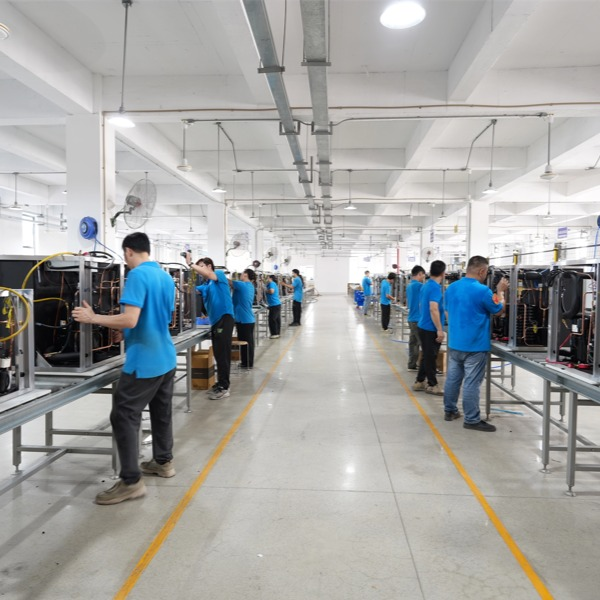
Achieving consistent ice quality at scale requires more than simply purchasing a machine off a catalogue. It demands a partnership with a manufacturer that engineers its equipment for real-world conditions—high ambient temperatures, fluctuating water hardness, and relentless daily demand. G-Honor Games brings this engineering philosophy to the commercial bar equipment space. With modular production lines, we customise cabinet dimensions, evaporator configurations, and drainage slopes to fit specific bar layouts. Our integrated supply chain ensures that critical spare parts—water filters, pump assemblies, and thermostatic sensors—are dispatched within 48 hours, minimising costly downtime. Moreover, our equipment undergoes rigorous humidity chamber testing, simulating 85% RH environments to validate performance before it ever reaches your service counter. For bar owners and operators, this translates to peace of mind, consistent drink quality, and a measurable return on investment that extends far beyond the initial purchase price.
FAQ
Q: Does ice type really affect the taste of a cocktail?
A: Yes. The melt rate determines how much water dilutes the spirit, which directly impacts flavour balance, aroma release, and mouthfeel.
Q: What is the best ice for an Old Fashioned?
A: A large, dense cube or block with slow-melting properties is ideal, as it chills without over-diluting the whiskey.
Q: Are clear ice makers worth the investment for commercial bars?
A: Absolutely, especially if you serve premium spirits. The slower melt rate and superior presentation justify a higher price point and enhance guest satisfaction.
Q: How often should a commercial ice maker be cleaned?
A: Daily external cleaning and weekly deep sanitation are recommended to prevent mould, scale, and bacterial growth, ensuring health compliance.
Q: Can I use nugget ice for stirred cocktails?
A: Not recommended. Nugget ice melts too quickly and will overly dilute stirred, spirit-forward drinks, ruining their intended balance.