 EN

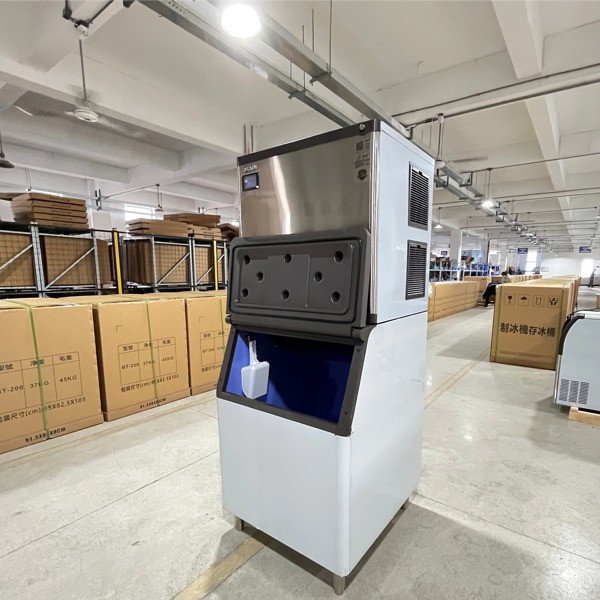
How Fast-Cooling Ice Makers Elevate Customer Experience
Freshness, texture, and drink consistency powered by rapid ice production
A fast-cooling bubble tea shop ice maker locks in freshness and texture by minimizing the time between freezing and serving—reducing exposure to ambient air and odors that dull flavor. Rapid ice production cools tea bases and milk alternatives quickly without excessive dilution, preserving creamy mouthfeel and distinct layering in well-built boba drinks. Consistent ice hardness—achieved through stable freezing conditions—ensures predictable temperature drop and dilution rates across batches. This reliability lets staff accurately measure tea, milk, and syrup ratios even during rushes, avoiding the common pitfalls of soft or unevenly melting ice. Machines with sub-15-minute cycles maintain sufficient on-hand capacity to meet demand while keeping drinks cold from first pour to final sip. Staff can refill bins proactively, eliminating warm, diluted drinks caused by mid-order ice shortages—delivering a fresher, more uniform product that builds repeat business and lasting trust.
The visual and sensory impact of crisp, clear ice in boba presentation
Clear, slow-melting ice transforms how customers perceive and experience a bubble tea—not just cooling the drink, but elevating its entire presentation. In transparent cups, cloudy ice dulls visual appeal and subtly signals inconsistency or lower quality. Crisp, dense cubes showcase vibrant tea colors, delicate milk swirls, and glossy tapioca pearls, reinforcing premium craftsmanship before the first sip. That clarity also supports sensory balance: slower-melting ice sustains ideal chill without premature watering-down, preserving smooth texture and balanced sweetness. Fast-cooling commercial machines engineered for high-density ice production reliably deliver this clarity and hardness—even under sustained volume—so every drink looks intentional and feels carefully composed. The gentle clink of solid cubes and vivid layering reinforce perceived value, supporting premium pricing and strengthening brand reputation. Clear ice also performs better in social media visuals, helping shops attract customers who prioritize precision and aesthetic consistency.
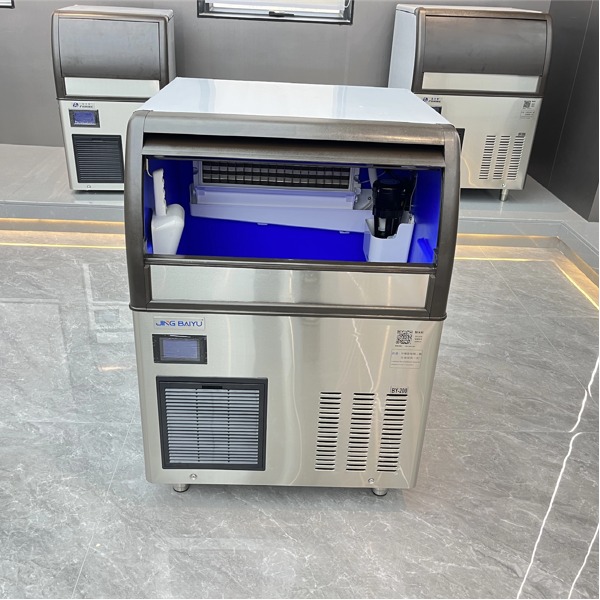
Operational Efficiency: Solving Peak-Hour Bottlenecks for Bubble Tea Shops
Sub-15-minute ice cycles and sustained output during rush periods
During 90-minute lunch or after-school rushes—when order volume can double or triple—ice supply delays directly stall drink assembly. A bubble tea shop ice maker with sub-15-minute ice cycles closes the gap between batches, keeping the bin stocked even as multiple shakers and sealing stations operate simultaneously. Fast recovery matters more than total bin size: a machine delivering fresh ice every 12–14 minutes enables continuous scooping for blended teas, milk teas, and fruit infusions without pause. Sustained output depends on compressor capacity, incoming water temperature, and ambient heat—but consistent cycle time under real load is the key indicator. Operators should verify rated production at 90°F air and 70°F water, then add at least 20% headroom for peak demand. This prevents the classic bottleneck where finished drinks wait for ice, toppings warm, and queues back up. Staff stay at the counter instead of checking the bin after every order—and crucially, fast-cooling units avoid extended defrost or harvest pauses during sustained rushes, maintaining steady throughput and consistent drink quality when it matters most.
Essential Features of a High-Performance Bubble Tea Shop Ice Maker
Commercial-grade durability: Stainless steel construction for high-volume use
A high-volume bubble tea shop ice maker must withstand constant moisture, mineral buildup, and rapid freeze-thaw cycles. Food-grade stainless steel cabinets and evaporators resist corrosion and pitting far better than plastic or coated steel—critical given variable water quality. Industry maintenance data show stainless steel components last up to three times longer than plastic alternatives in busy beverage settings (Foodservice Equipment Reports 2023). Its non-porous surface also supports daily sanitizing protocols, reducing bacterial harborage and simplifying compliance with health inspections. Durable construction keeps the bin and auger aligned, preventing jams during extended operation. For shops producing 300–500 drinks per shift, mechanical stability means fewer service interruptions and lower long-term replacement costs. Choose models with full stainless steel food zones, reinforced door hinges, and accessible drain lines—and avoid mixed-material joints that trap moisture. Regular descaling remains essential, but the base structure should remain intact between service intervals.
Certified safety and energy efficiency (UL, CE, ENERGY STAR)
Certifications signal third-party validation—not marketing claims. UL or ETL listing confirms electrical safety and component integrity for commercial use; CE marking verifies conformity with EU health, safety, and environmental standards. ENERGY STAR certified commercial ice machines use, on average, 15% less energy and 20% less water than standard units (EPA 2023), lowering utility bills and wastewater fees. Efficient units also generate less excess heat—easing AC loads during summer. To realize these benefits, match rated production capacity to your peak ice demand; an undersized unit running continuously may erase energy savings. Prioritize models with automatic shutoff, low-water alarms, and self-cleaning cycles—controls that protect both equipment and product quality while stabilizing operating costs. Third-party certification further streamlines insurance requirements and food safety audits for franchise or multi-site operations. Always confirm the certificate applies to your specific voltage and installation environment.
Avoiding Costly Mistakes: Red Flags in Low-Quality Bubble Tea Shop Ice Makers
A bubble tea shop ice maker that fails during a rush costs far more than its purchase price: lost sales, spoiled milk tea bases, and emergency service calls. Before buying, watch for warning signs that separate true commercial equipment from residential-style units. Machines with thin plastic housing, undersized compressors, or slow freeze cycles often produce soft, cloudy ice that dilutes drinks unevenly.
Key red flags include:
- No third-party certification. Missing UL, CE, or ENERGY STAR marks usually means the unit hasn’t undergone independent safety or efficiency testing.
- Advertised ice cycles over 15 minutes. If the manufacturer doesn’t specify a sub-15-minute batch time, assume it cannot sustain peak bubble tea demand.
- Plastic evaporator plates or flimsy water trays. These crack under daily sanitizing and high humidity, raising contamination risk and causing leaks.
- Vague warranty or no local service network. A 90-day warranty or unclear parts process signals a disposable product—not a long-term commercial asset.
- No self-cleaning or descaling reminders. Scale buildup shortens compressor life and increases downtime.
These flaws compound quickly. Slow ice production forces staff to ration cubes, slowing assembly and frustrating customers. Poor insulation can raise energy use by 15–25% compared with properly sealed commercial units (2023 foodservice refrigeration benchmarks). If the price seems unusually low, calculate the full five-year cost: replacement units, repairs, and lost peak-hour revenue often exceed upfront savings within 18 months.
FAQ
Why is fast-cooling important for bubble tea shop ice makers?
Fast-cooling ice makers ensure minimal delay in ice production, preserving drink texture, freshness, and overall quality. They help avoid dilution and maintain consistent drink temperature during peak hours.
What are the benefits of clear, slow-melting ice for boba tea?
Clear, slow-melting ice enhances drink presentation by showcasing vibrant colors and maintaining taste balance. It also performs better in social media visuals, reinforcing premium brand image.
How can commercial-grade stainless steel improve ice maker durability?
Food-grade stainless steel resists corrosion and supports daily sanitizing, lasting longer than plastic components. It provides stability under high-volume use while reducing maintenance needs.
Why are certifications like UL, CE, and ENERGY STAR critical?
These certifications verify safety, efficiency, and compliance with standards. ENERGY STAR models consume less energy and water, lowering operating costs and ensuring reliable performance.
What red flags should I avoid when purchasing a bubble tea shop ice maker?
Key red flags include no third-party certification, slow ice cycles, plastic components, vague warranties, and no self-cleaning functions. These issues lead to poor performance and higher long-term costs.
Table of Contents
- How Fast-Cooling Ice Makers Elevate Customer Experience
- Operational Efficiency: Solving Peak-Hour Bottlenecks for Bubble Tea Shops
- Essential Features of a High-Performance Bubble Tea Shop Ice Maker
- Avoiding Costly Mistakes: Red Flags in Low-Quality Bubble Tea Shop Ice Makers
-
FAQ
- Why is fast-cooling important for bubble tea shop ice makers?
- What are the benefits of clear, slow-melting ice for boba tea?
- How can commercial-grade stainless steel improve ice maker durability?
- Why are certifications like UL, CE, and ENERGY STAR critical?
- What red flags should I avoid when purchasing a bubble tea shop ice maker?