In 2026, ice maker trends in the foodservice industry are increasingly shaped by energy costs, labor shortages, beverage demand, and the need for reliable equipment. Restaurants, bars, bubble tea shops, and hotel kitchens all depend on a stable supply of ice, but they also need to control operating expenses. This is why high-energy-efficiency commercial ice makers are becoming a preferred choice for modern foodservice businesses.
The continued expansion of coffee shops, bubble tea stores, juice bars, cocktail businesses, and other beverage-focused operations is increasing daily ice consumption. For these businesses, ice is not simply an accessory—it is an essential part of product preparation and customer service.
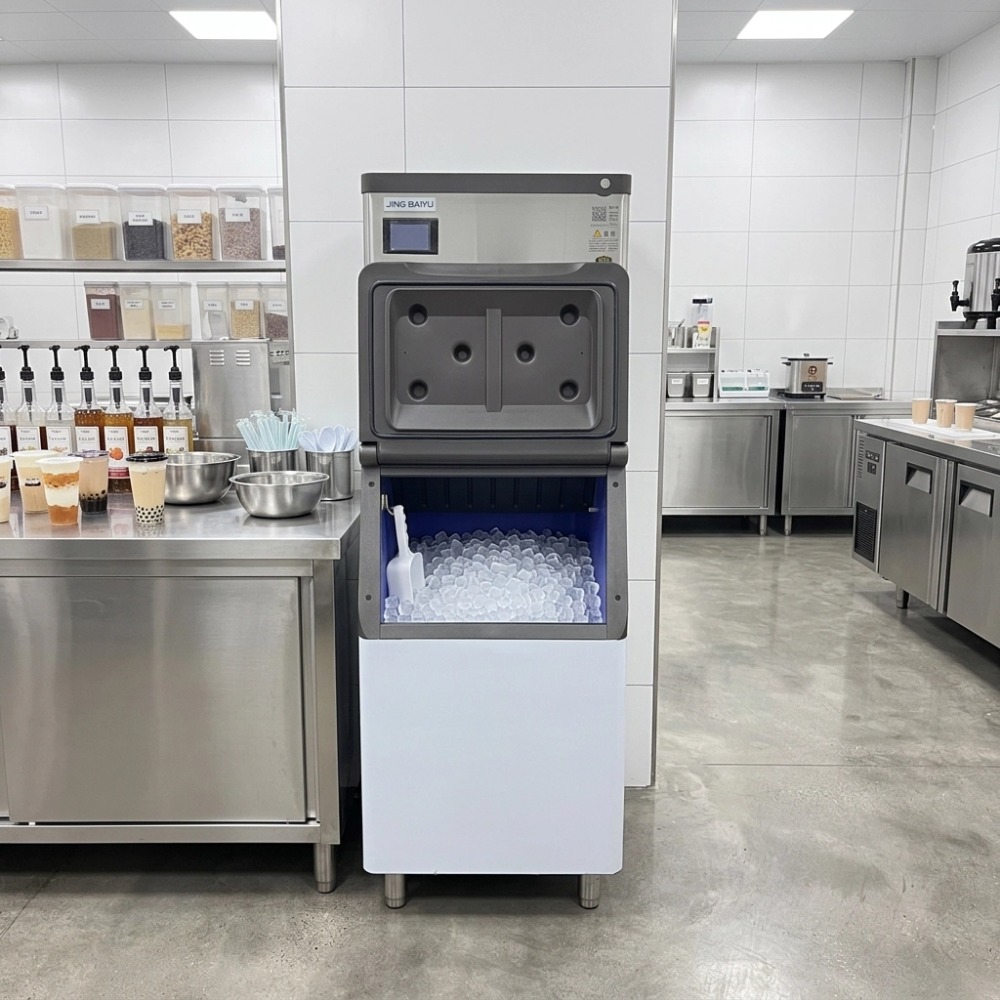
For example, ice makers for bubble tea shops need to produce enough ice to support busy afternoon and evening periods. A machine with fast production and reliable operation can help prevent ice shortages during peak hours.
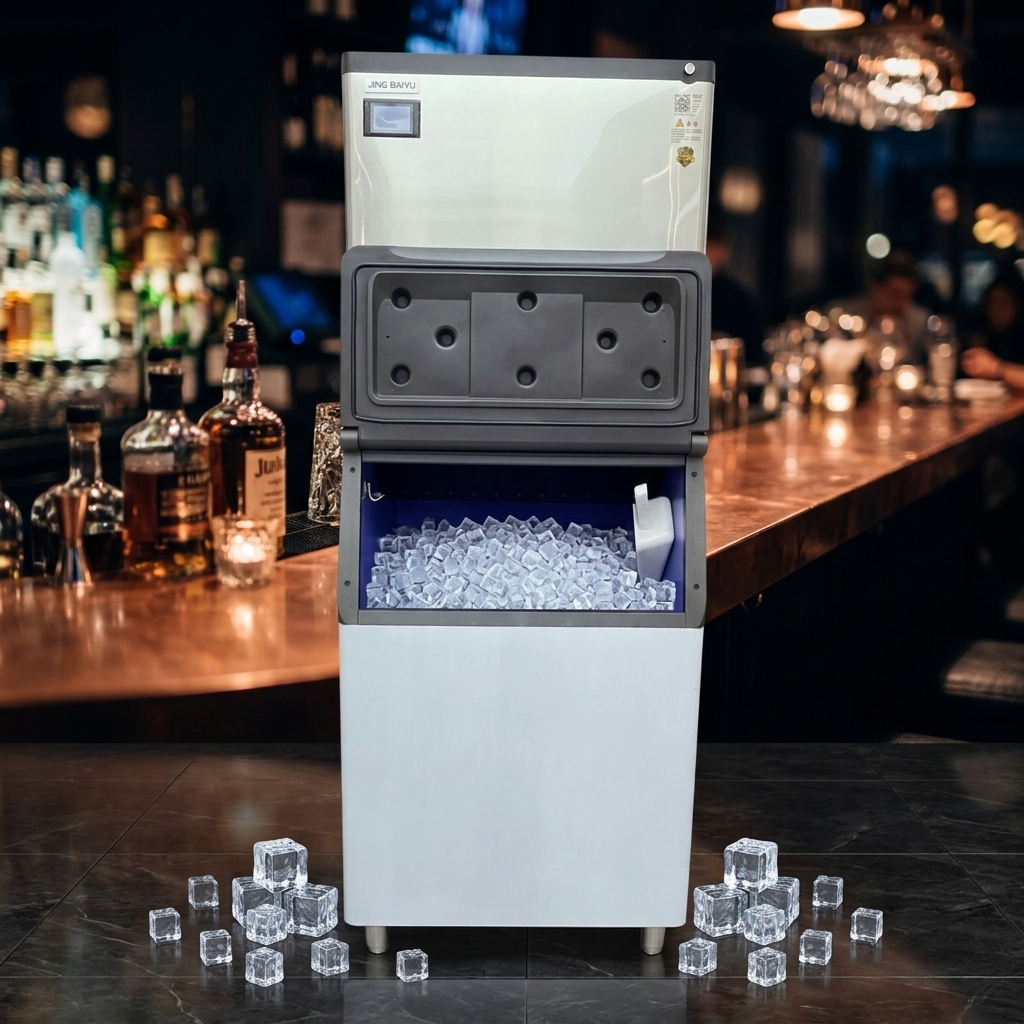
Similarly, ice makers for bars need to support cocktails, soft drinks, and chilled beverages throughout long operating hours. Consistent ice production can directly contribute to smoother service.
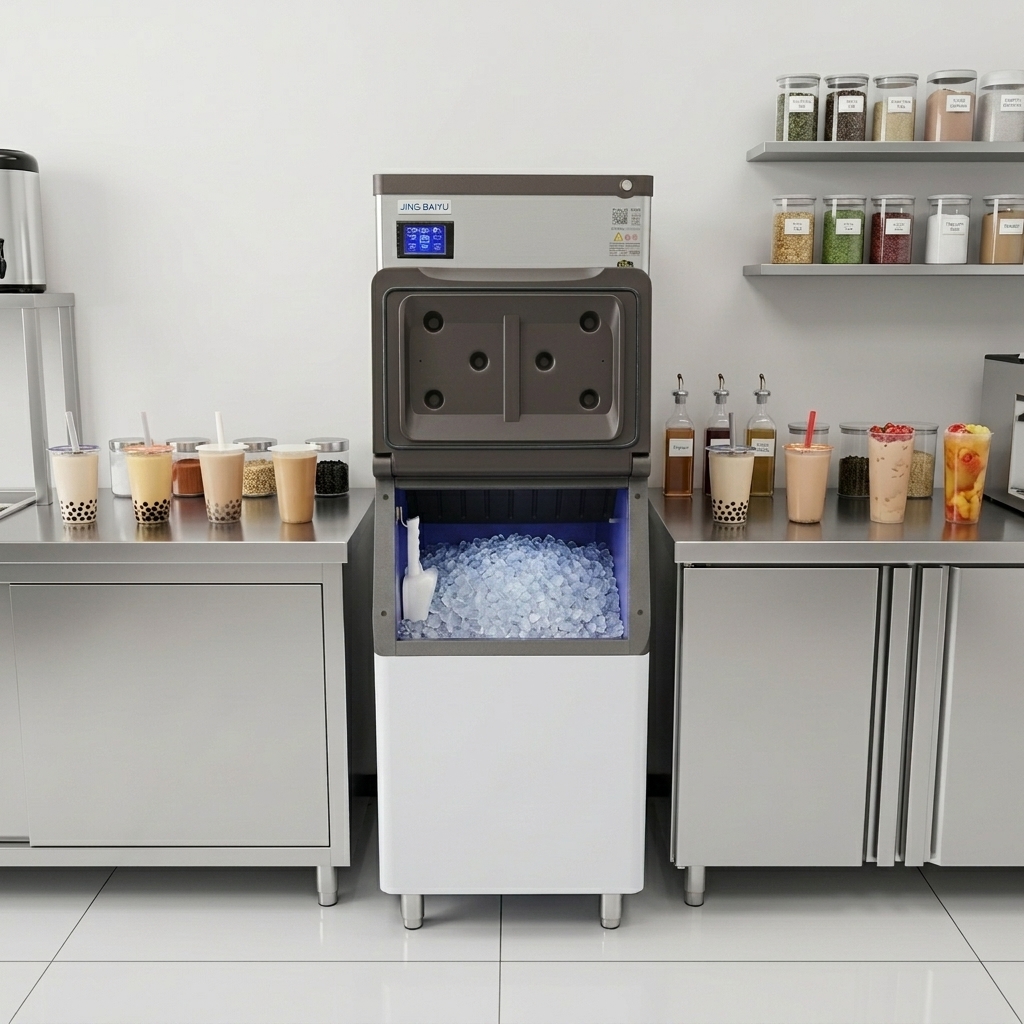
As restaurants and hospitality businesses serve more customers, small-capacity machines may no longer meet daily requirements. Hotels, buffet restaurants, large kitchens, and busy beverage stores increasingly need high-capacity ice makers that can produce ice continuously.
A high-output machine can provide a dependable supply during peak periods while reducing the need for employees to repeatedly purchase, transport, or manually manage additional ice.
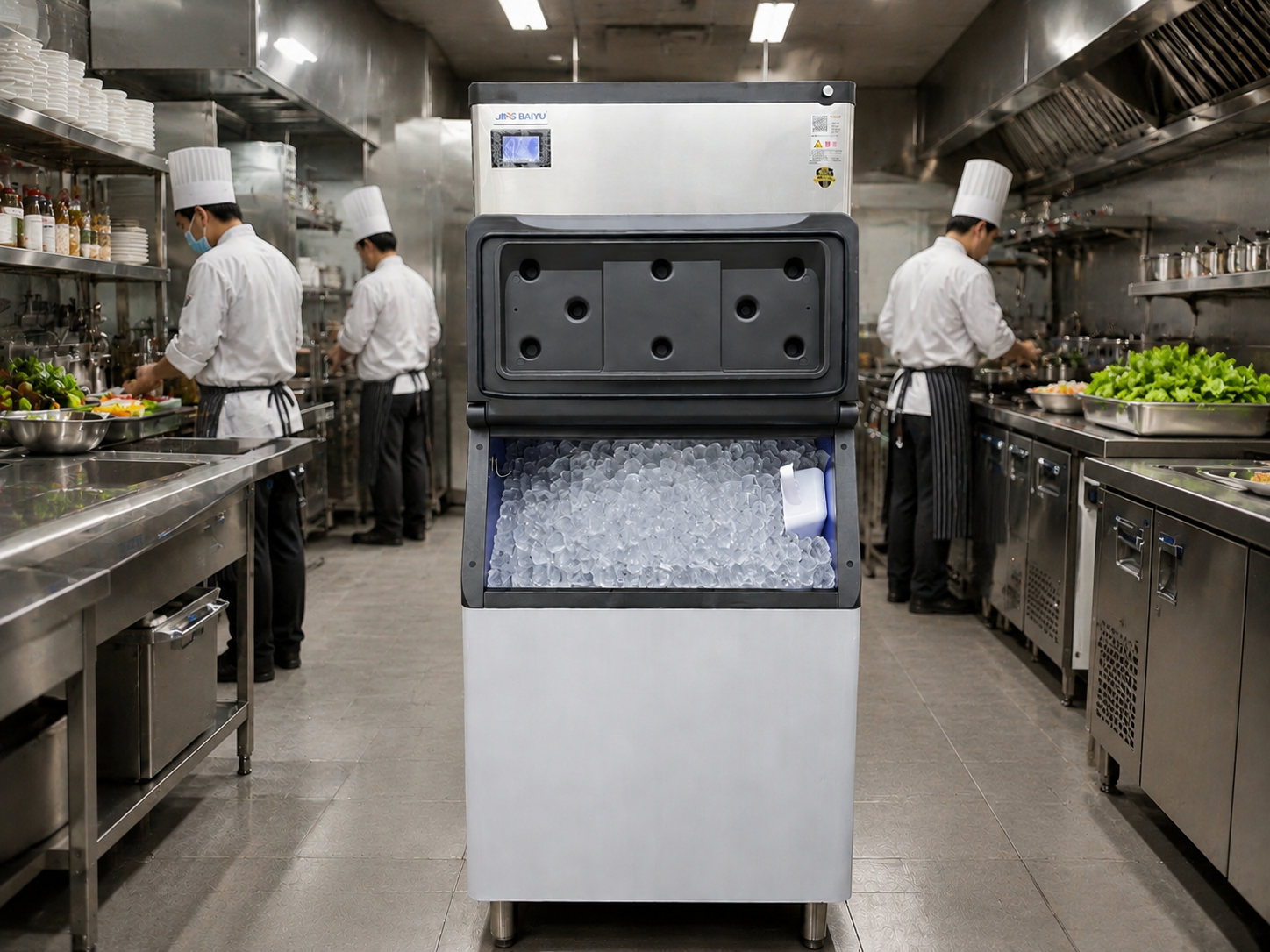
For hotel kitchens, where breakfast service, banquets, room service, and restaurants may operate simultaneously, reliable ice production is particularly important.
Labor costs are another factor influencing foodservice equipment trends. Businesses are looking for equipment that can automate routine tasks and reduce the amount of manual work required from employees.
Modern commercial ice makers can automate water filling, ice production, and full-ice shutdown. Smart controls can also make daily operation easier by allowing staff to monitor the machine and adjust settings efficiently.
This is especially valuable for restaurants and beverage shops where employees need to focus on food preparation, customer service, and order fulfillment rather than equipment management.
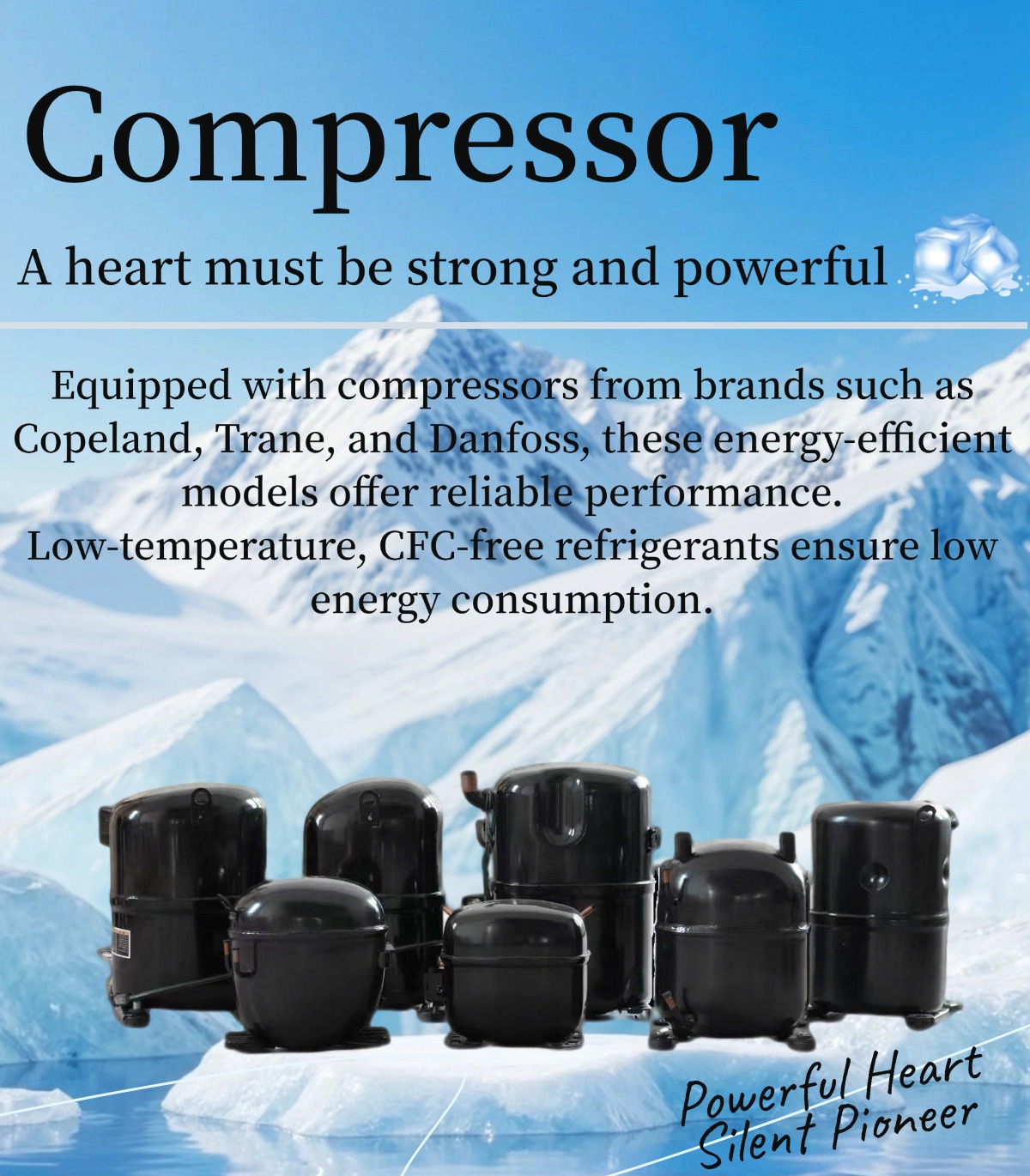
Commercial ice makers may operate for many hours each day, making energy consumption an important consideration. High-energy-efficiency commercial ice makers are designed to optimize refrigeration performance while maintaining stable ice output.
High-efficiency compressors, improved insulation, optimized cooling systems, and environmentally friendly refrigerants such as R290 can help reduce unnecessary energy consumption.
For a restaurant operating an ice maker throughout the day, even incremental improvements in efficiency can contribute to long-term operating cost savings.
The combination of growing beverage consumption, higher ice demand, rising labor costs, and increasing attention to energy efficiency is reshaping the commercial ice maker market.
For restaurant owners, bar operators, bubble tea businesses, and hotel kitchens, choosing the right machine means looking beyond production capacity alone. Energy efficiency, continuous operation, automation, maintenance convenience, and long-term reliability are becoming equally important.
As these ice maker trends in the foodservice industry continue to develop, high-energy-efficiency commercial ice makers are positioned to become an increasingly important part of modern foodservice operations.[Get a quote] or [Request a custom design] today.

Copyright © 2026 by Guangdong Jingbaiyu Refrigeration Equipment Co., Ltd. - Privacy policy
 EN
EN