Commercial refrigeration equipment plays a vital role in restaurants, cafes, supermarkets, bakeries, hotels, and foodservice businesses. However, refrigeration systems are also among the largest sources of energy consumption in commercial kitchens.High electricity costs can significantly affect business profits, especially when refrigeration equipment operates 24 hours a day. Improving energy efficiency not only reduces operating expenses but also extends equipment lifespan and supports environmentally friendly business practices.
In this guide, we will explore practical ways to save energy with commercial refrigeration equipment while maintaining stable cooling performance and food safety.Commercial Refrigerator
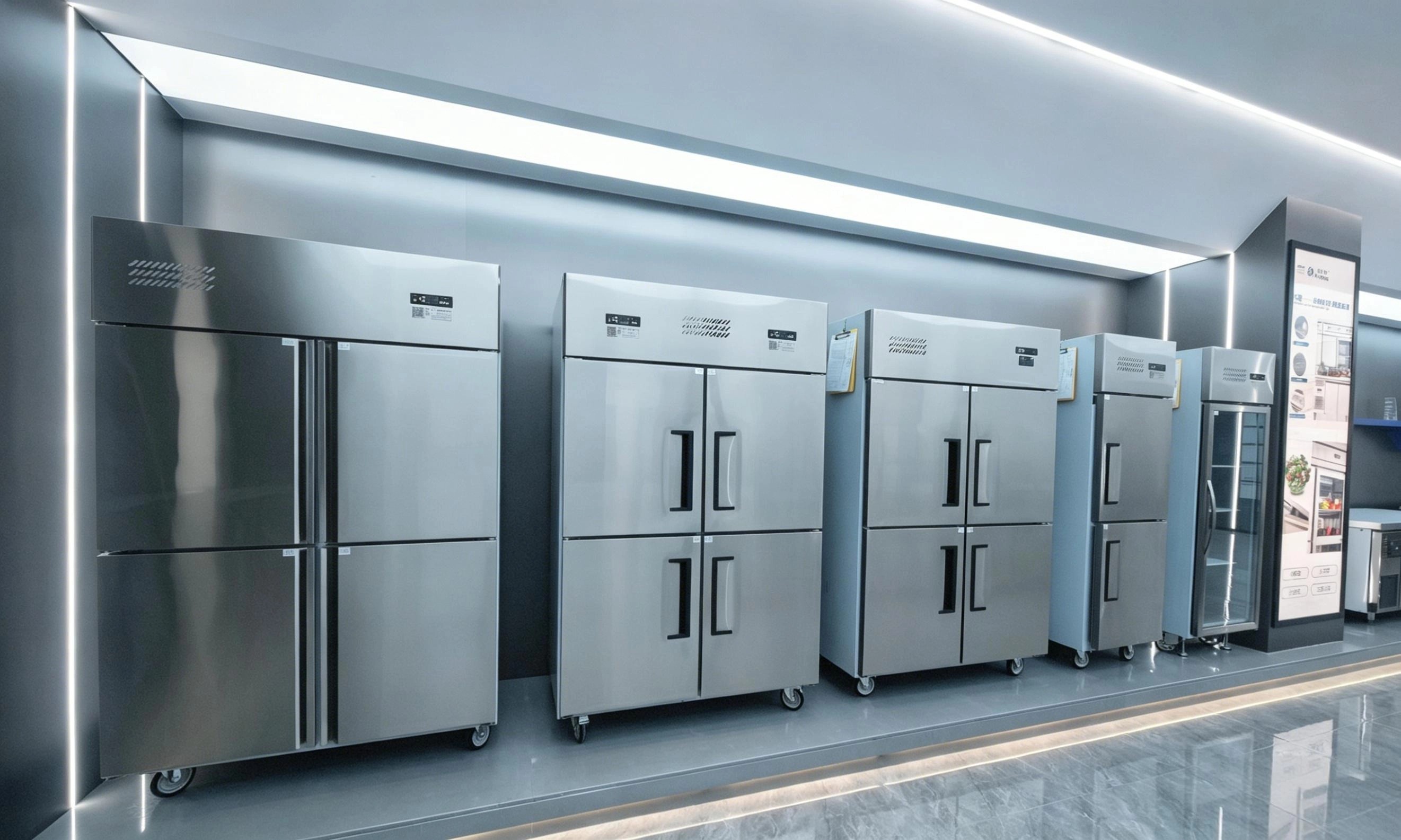
Commercial refrigerators and freezers run continuously to preserve food freshness and safety. Poor maintenance, incorrect usage, and outdated equipment can lead to excessive energy consumption.
Energy-efficient refrigeration systems offer several important benefits:
For businesses such as restaurants and milk tea shops, reducing refrigeration energy usage can lead to significant long-term savings.
One of the most effective ways to reduce energy consumption is selecting high-efficiency commercial refrigeration equipment.
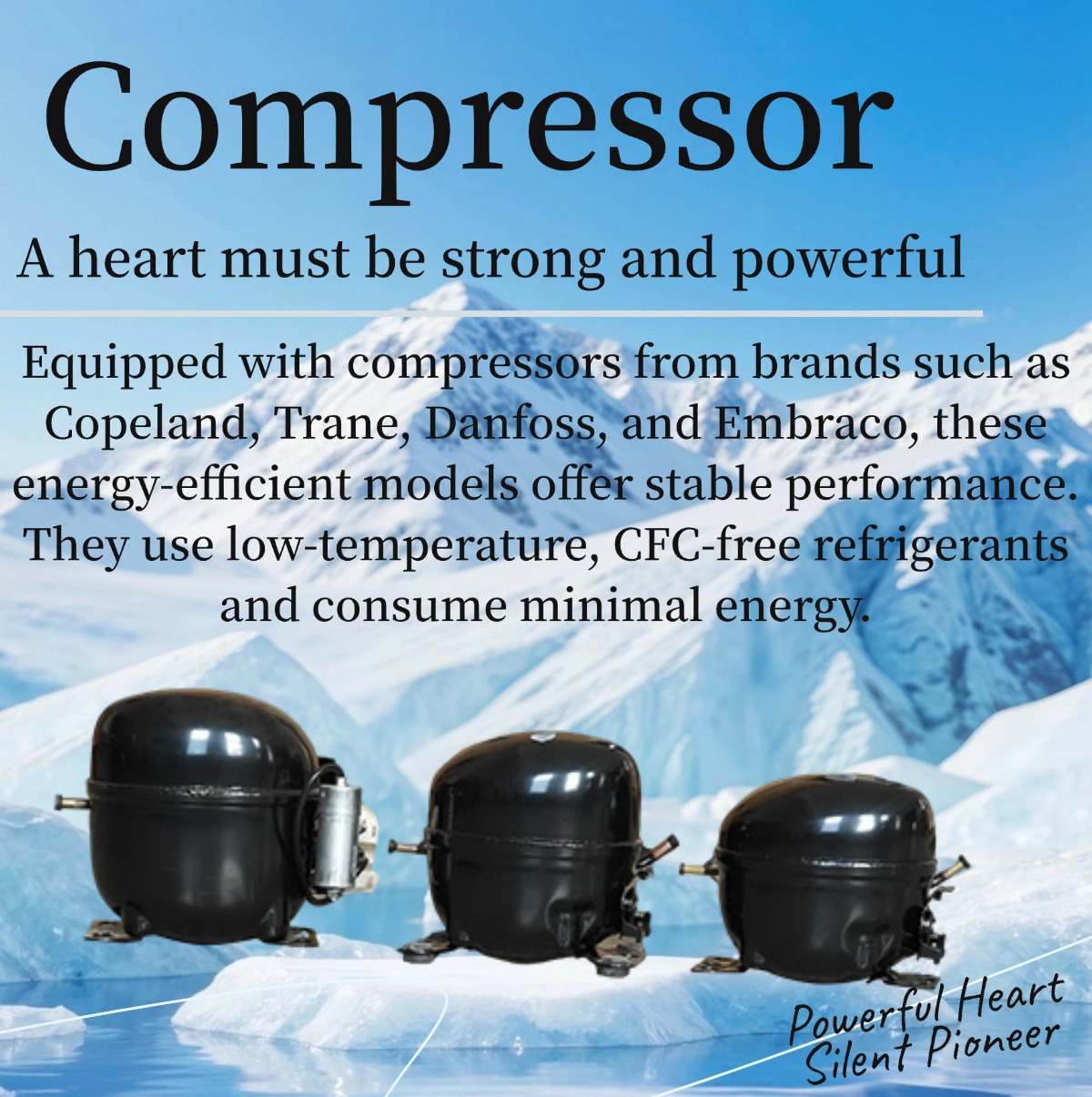
Modern compressors consume less electricity while maintaining stable cooling performance. Inverter compressor technology can automatically adjust cooling power based on demand, reducing unnecessary energy use.
Oversized refrigerators waste energy, while undersized units may struggle to maintain proper temperatures. Choose refrigeration equipment that matches your actual storage needs.
Well-insulated refrigerators help maintain internal temperatures and reduce compressor workload.
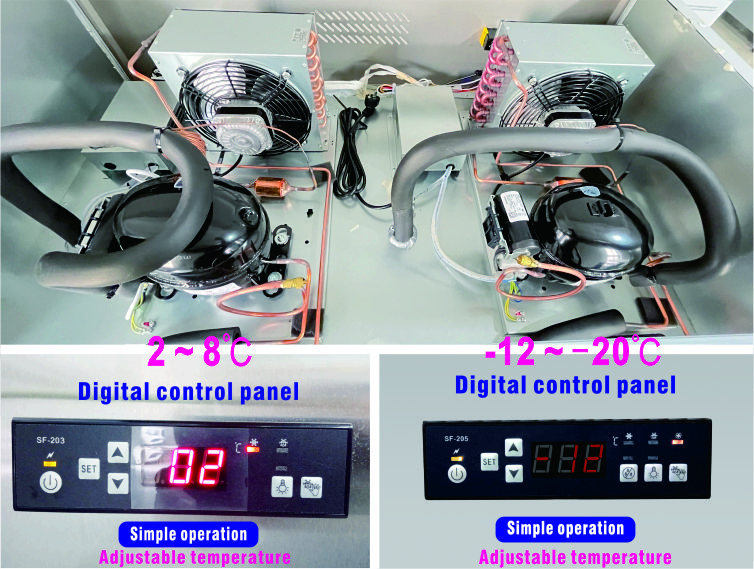
Setting the correct temperature is essential for energy efficiency and food safety.
Lower temperatures than necessary increase energy consumption without providing additional benefits.
Constantly changing temperature settings forces the refrigeration system to work harder and consume more electricity.
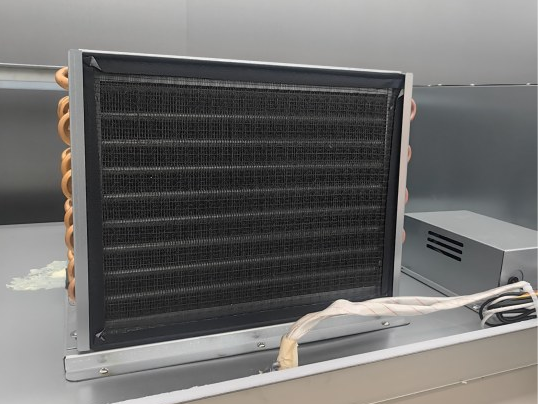
Dirty condenser coils reduce cooling efficiency and increase power consumption.
Dust, grease, and dirt buildup force the compressor to operate longer in order to maintain the desired temperature.
Regular maintenance can significantly improve refrigeration efficiency and reduce repair costs.
5.Daily Precautions
a.Ensure Proper Air Circulation
Proper air circulation is essential for the efficient operation of refrigeration equipment.
Do Not Block Ventilation Openings
Leave Adequate Space Around the Equipment
Commercial refrigeration equipment requires sufficient space for heat dissipation.
Recommended clearance:
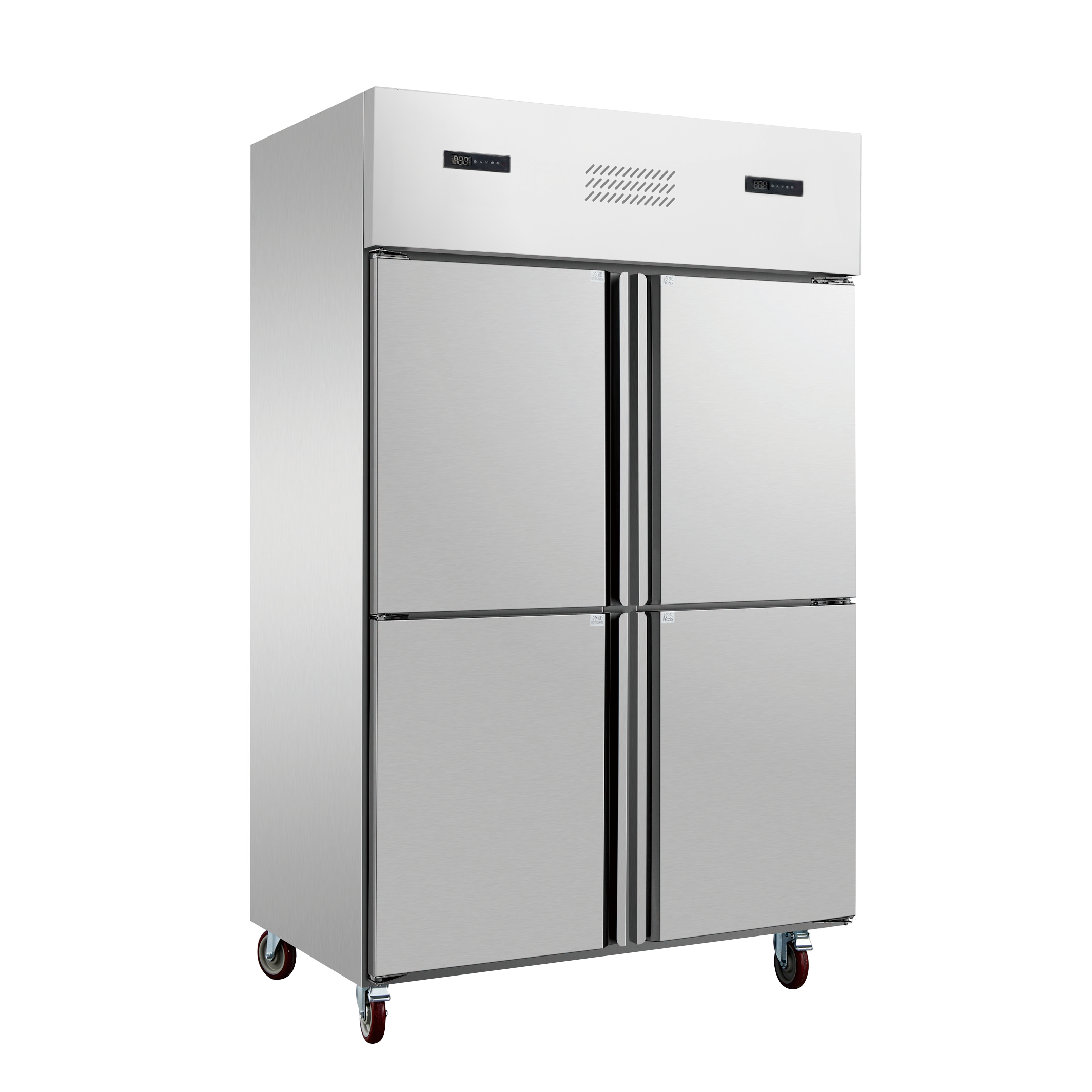
Frequent door opening allows cold air to escape and warm air to enter the cabinet.
This forces the compressor to run more frequently to restore internal temperatures.
Damaged or loose door gaskets allow cold air leakage, leading to energy waste.
Replacing faulty gaskets is a simple and cost-effective way to improve efficiency.
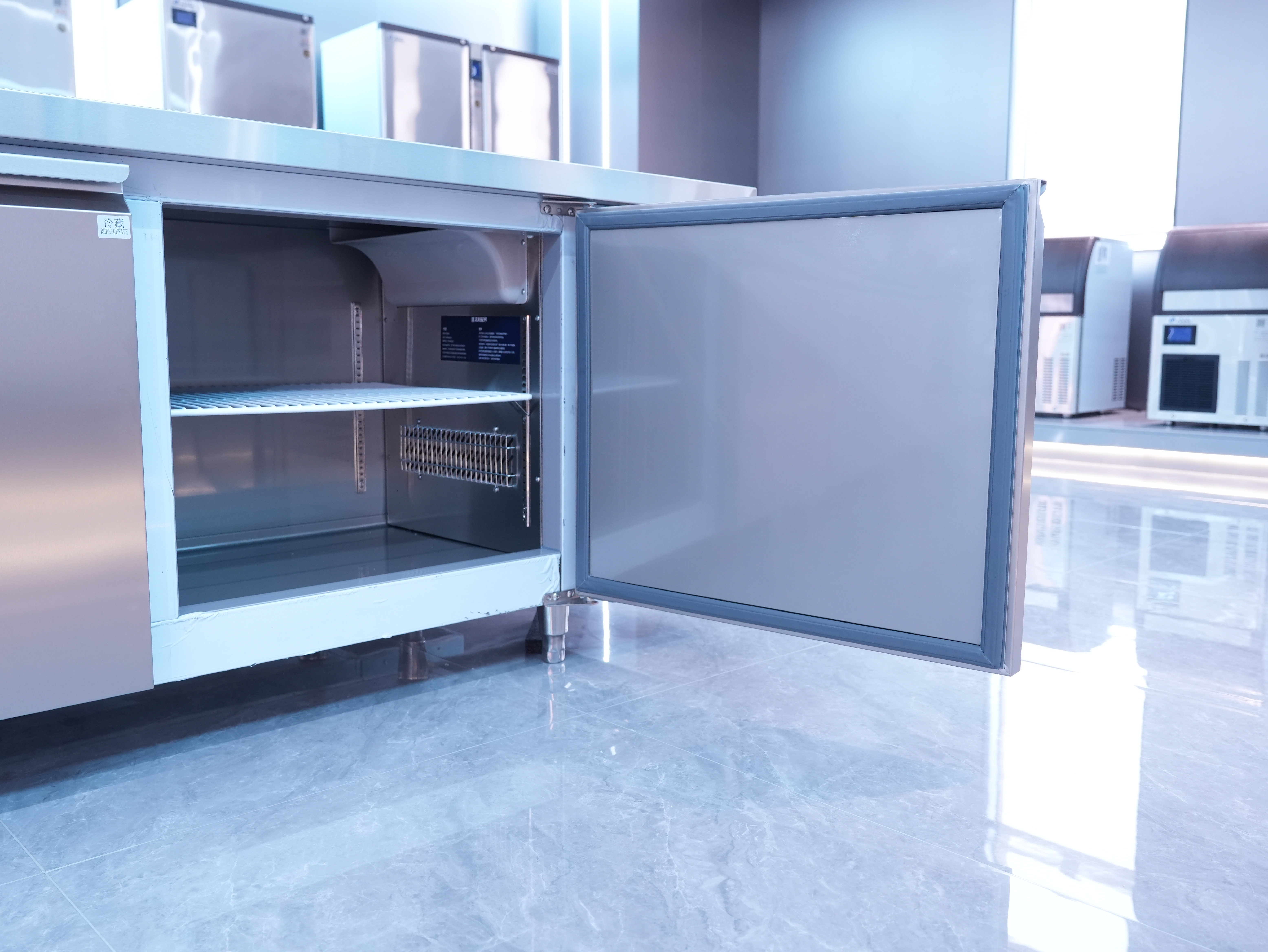
External heat increases compressor workload and energy consumption.
Avoid installing refrigeration equipment near:
Lower surrounding temperatures help improve refrigeration efficiency.
Routine maintenance is essential for keeping commercial refrigeration systems operating efficiently.
Professional maintenance can identify potential problems before they lead to costly breakdowns.
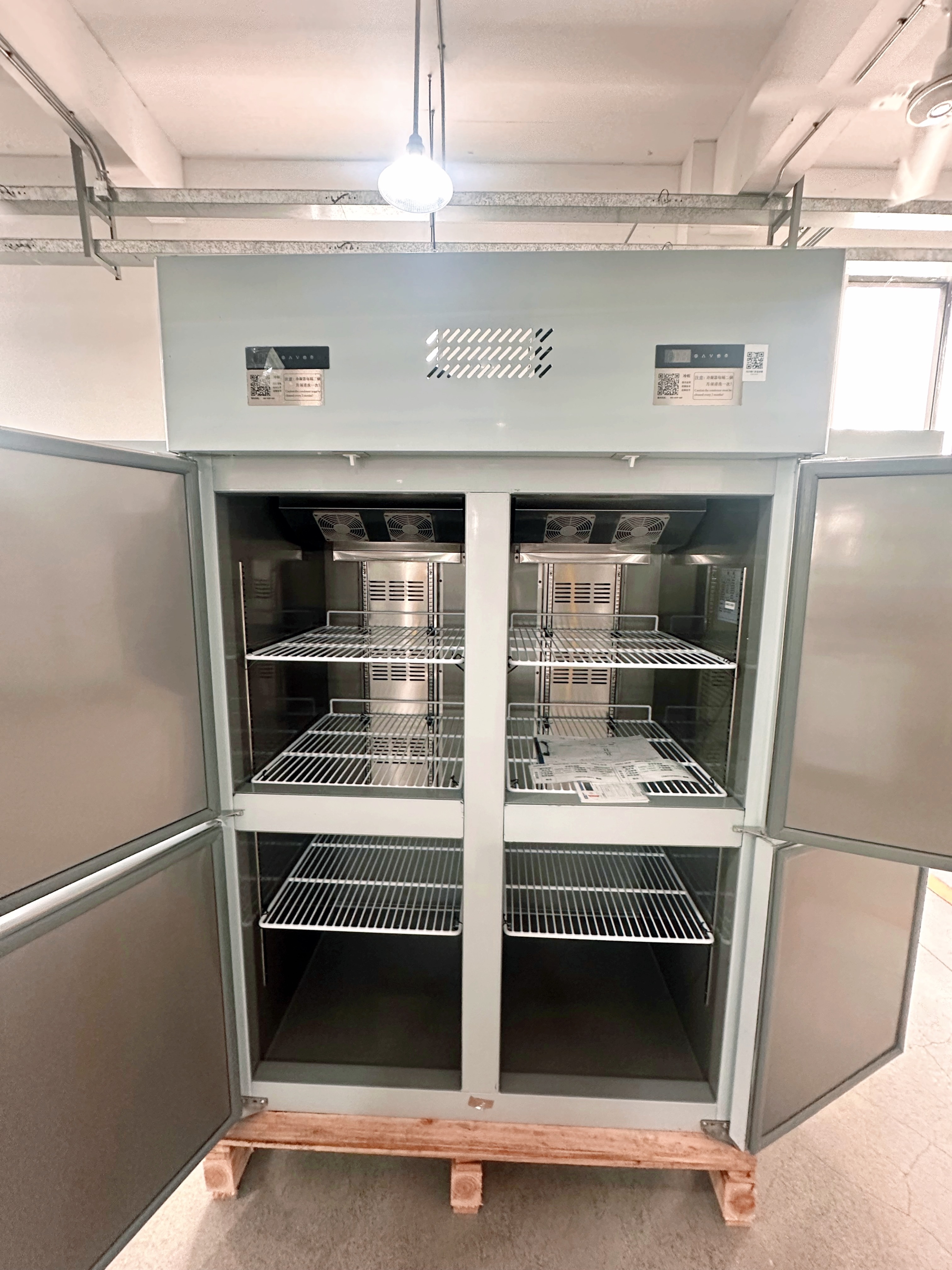
Commercial refrigeration systems are essential for foodservice businesses, but they can also contribute heavily to energy costs. By choosing energy-efficient equipment, maintaining proper temperatures, cleaning components regularly, and improving daily operating habits, businesses can significantly reduce electricity consumption.
Simple maintenance practices and smart equipment choices not only lower operating costs but also improve cooling performance and extend equipment lifespan.
If you are looking for reliable and energy-efficient commercial refrigeration solutions for restaurants, cafes, supermarkets, or milk tea shops, contact us today for professional recommendations and customized refrigeration equipment solutions.[Get a quote] or [Request a custom design] today.

Copyright © 2026 by Guangdong Jingbaiyu Refrigeration Equipment Co., Ltd. - Privacy policy
 EN
EN