Commercial ice‑makers are essential equipment for restaurants, bars, hotels, cafes, supermarkets and other catering venues. They continuously produce ice cubes for beverage preparation, food preservation and daily business operations. So how exactly do commercial ice‑makers operate? What knowledge should buyers grasp before purchasing equipment? Understanding the ice‑making process helps business operators select suitable units, boost operational efficiency and cut unnecessary maintenance costs.
A commercial ice‑maker is refrigeration equipment designed for large‑scale ice production, with a much higher ice‑making capacity than household ice‑makers. Depending on models and application scenarios, the equipment can generate ice in various shapes, including cube ice, half‑cube ice, crescent ice, cylinder ice, large‑block ice and flake crushed ice to meet diverse commercial needs.
Most commercial ice‑makers consist of a water supply system, refrigeration system, evaporator, ice‑making mechanism, control system and ice storage bin. Some models integrate the ice‑maker and ice storage bin into one unit, while others adopt a split design with a separate ice‑maker and ice storage bin.
The daily ice output of the machine is affected by equipment specifications, ambient temperature, incoming‑water temperature, ventilation conditions and operating status. Therefore, buyers should not only focus on the nominal daily ice‑making capacity but also select equipment based on actual business demands.
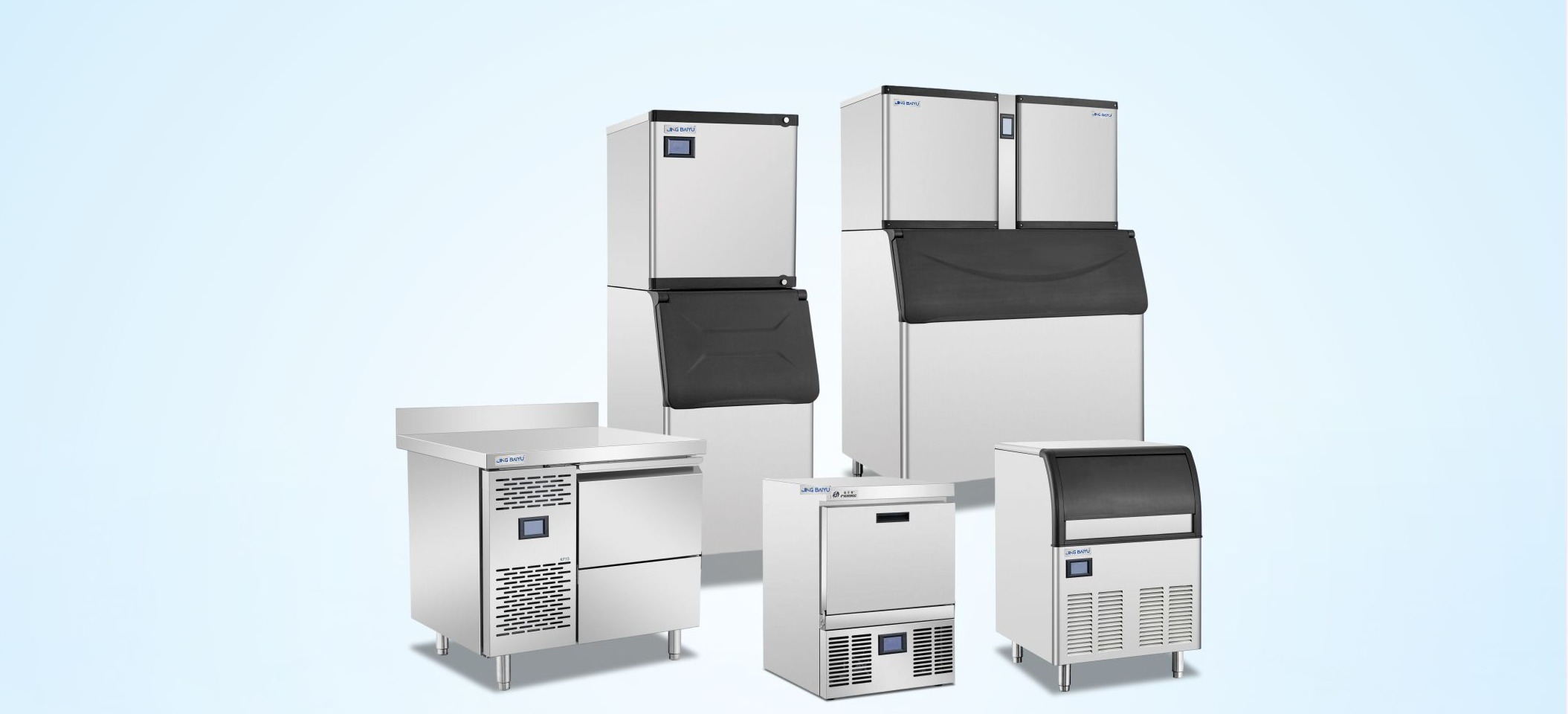
Though models differ in structure, most commercial ice‑makers follow a similar workflow: water intake, refrigeration and freezing, ice harvesting and ice storage.
The ice‑maker connects to purified water filtered through a water purifier. The circuit board controls the water inlet valve to deliver water to the water tank. A float sensor cuts off the water supply once the water reaches the preset level.
Clean water improves ice quality and reduces mineral deposits. Regular filter replacement and proper water‑quality treatment also support stable equipment performance.
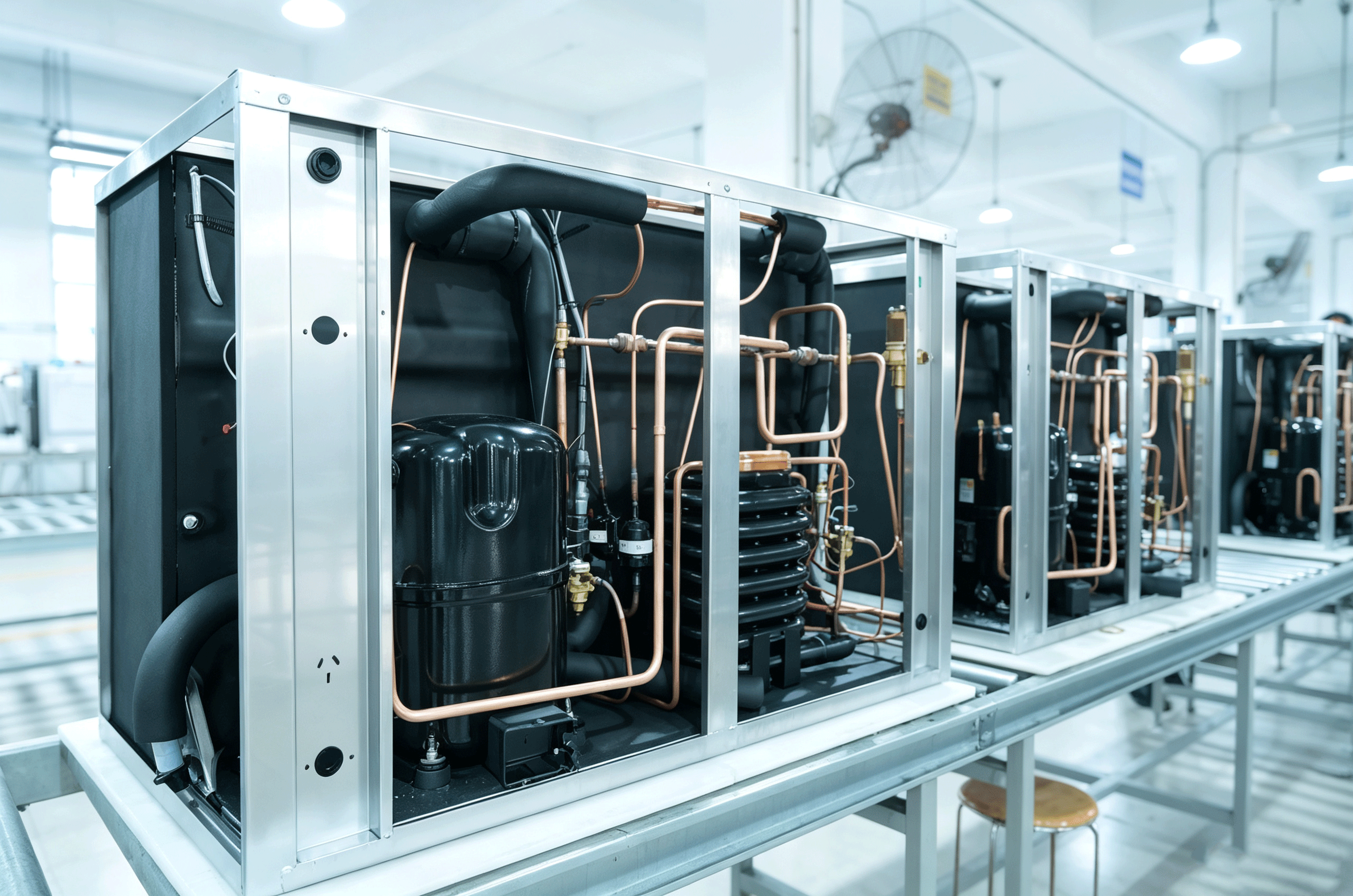
The refrigeration system lies at the core of ice‑making. Refrigerant circulates among the compressor, condenser, expansion device and ice tray:
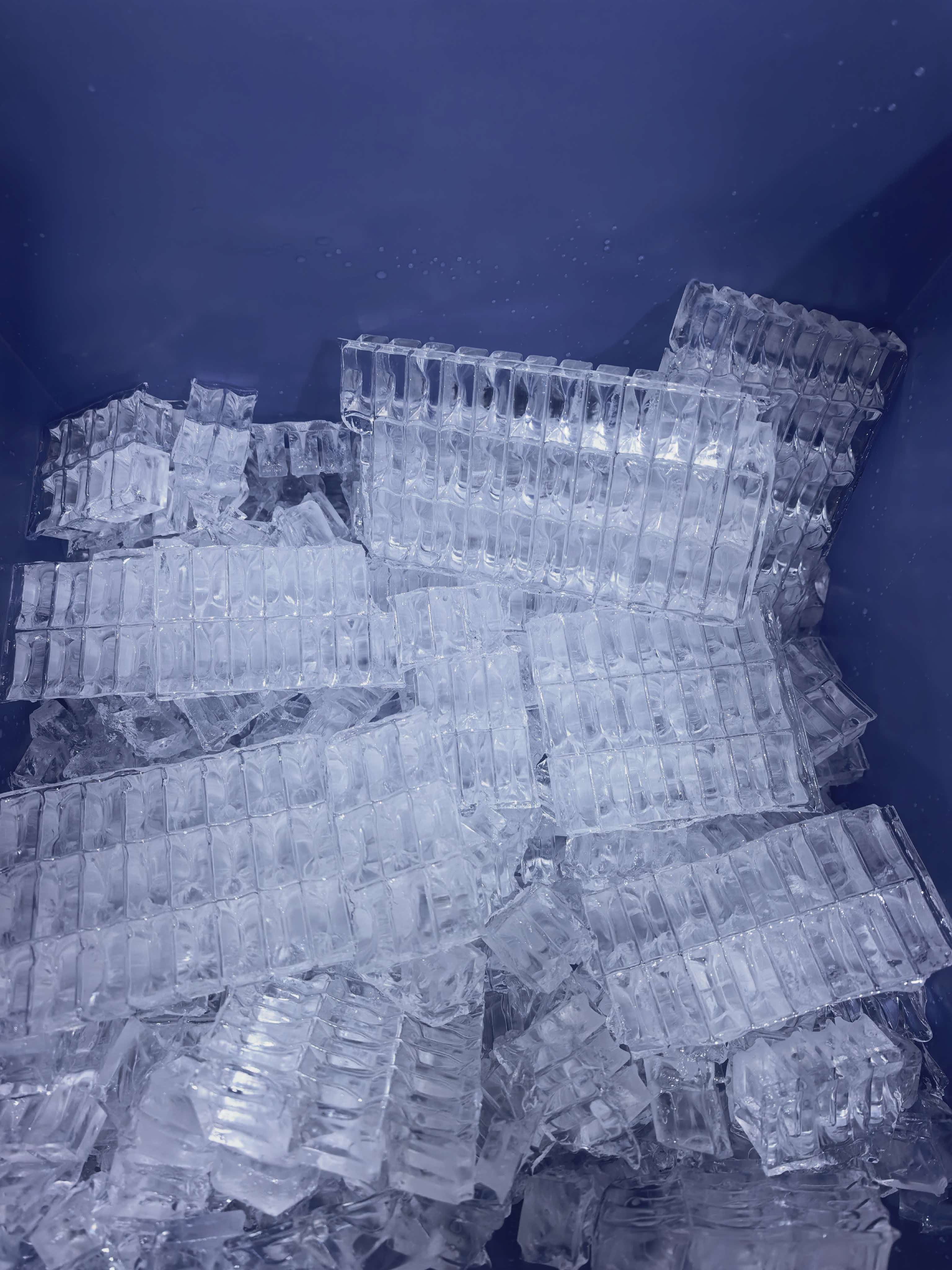
Freezing methods vary across different ice‑maker types. In many cube‑ice machines, water freezes gradually on the surface of the cold evaporator to form individual square ice cubes. Other structures produce different ice shapes via alternative ice‑making mechanisms.
The control system monitors operating conditions and triggers the ice‑harvesting phase at the right moment. Actual ice‑making time depends on equipment design, water temperature, environmental conditions and target ice thickness.
Once ice cubes meet preset conditions, the unit activates the ice‑harvesting program. Depending on design, the machine may briefly heat the evaporator surface or use mechanical force to dislodge ice from the ice‑making zone.
Fallen ice cubes drop into the ice storage bin. The machine then returns to the ice‑making phase and repeats the whole cycle on demand.
The ice storage bin temporarily holds finished ice for staff to access anytime. It helps businesses cope with short‑term demand surges. Note that ice stored inside will still melt gradually, so an ice storage bin is not equivalent to a freezer.
For busy restaurants and bars, matching daily ice‑making output with ice‑bin capacity is critical. Even if theoretical daily output covers full‑day ice consumption, insufficient bin capacity may fail to satisfy sudden peak ice usage.
Knowing core components helps buyers evaluate product performance and troubleshoot faults.
Component design and quality influence equipment performance, maintenance convenience and running costs. When sourcing, request technical specifications for specific models, and do not assume all commercial ice‑makers share identical configurations.
Multiple real‑world factors determine how well a commercial ice‑maker performs:
To keep stable operation, install the unit correctly, maintain proper ventilation space, clean following official instructions and replace water filters on recommended cycles.
Before purchase, estimate daily ice consumption and clarify peak‑hour ice demands. Ice requirements differ greatly among restaurants, cocktail bars, hotels and seafood display counters.
Focus on these key selection criteria:
Besides product features, assess overall supplier competence. Reliable manufacturers shall provide clear technical specifications, state installation requirements and inform buyers of maintenance and after‑sales arrangements.
Jingbaiyu is a Chinese commercial refrigeration‑equipment manufacturer based in Guangdong Province. It operates an 18,000‑square‑meter production base with an annual output of over 60,000 units of commercial refrigeration equipment.
Its product portfolio includes commercial ice‑makers, freezers and stainless‑steel worktables. Distributors, catering‑equipment suppliers and food‑service enterprises can source multiple supporting devices from one single manufacturer.
Jingbaiyu also offers OEM / ODM cooperation. Buyers may discuss branding markings and product configurations with its team based on specific models and order requirements. Importers and distributors should further confirm production capacity, technical specifications, applicable certifications, packaging, lead time and after‑sales terms before placing orders.
When comparing manufacturers, do not only focus on purchase price. Take into account equipment suitability, quality‑control procedures, maintenance needs and whether suppliers can satisfy long‑term business needs.

Commercial ice‑makers extract heat from water via their refrigeration system to freeze water into ice, then send finished ice to the storage bin through the ice‑harvesting procedure. Understanding this working principle allows buyers to properly size equipment capacity, plan installation environments and implement regular maintenance.
Whether you run a restaurant, bar, hotel or refrigeration‑equipment distribution business, select a commercial ice‑maker according to actual ice consumption and operating environment. Jingbaiyu supplies commercial refrigeration equipment as well as OEM / ODM services, making it a candidate for long‑term manufacturing partnerships.
Feel free to share with Jingbaiyu your target market, required daily ice output, ice type and customization demands for further discussion on suitable product models and quotations.

Copyright © 2026 by Guangdong Jingbaiyu Refrigeration Equipment Co., Ltd. - Privacy policy
 EN