 EN

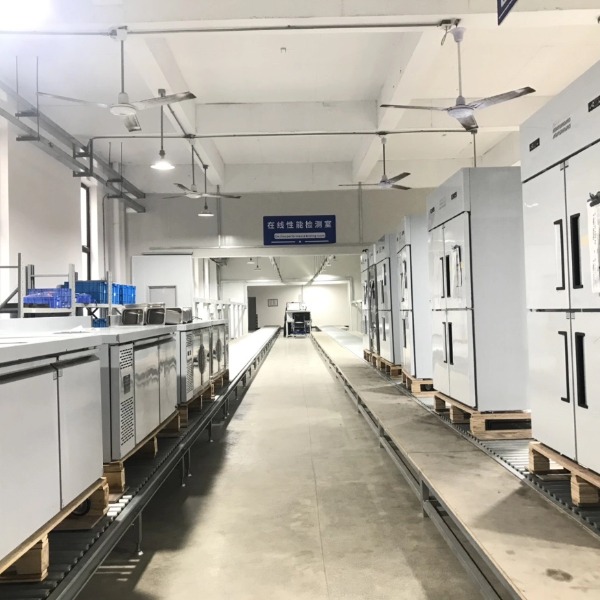
Key Types of Hotel Refrigeration Equipment and Their Operational Roles
Hotel refrigeration equipment is not a single product category—it encompasses specialized systems designed for guest rooms, bars, kitchens, and event spaces. Each type supports a distinct service model and workload, so matching equipment to its operational zone helps protect food safety, reduce energy waste, and improve staff efficiency.
| Equipment type | Primary operational role |
|---|---|
| Guest room minibar refrigerators | Keep in-room snacks and beverages cold while operating quietly and using minimal energy. |
| Undercounter and back-bar refrigerators | Support fast bar and lounge service by keeping bottles, mixers, and garnishes within reach. |
| Walk-in coolers and freezers | Provide bulk cold storage for banquets, restaurants, and central kitchen prep. |
| Reach-in refrigerators and prep tables | Hold daily prep ingredients at safe temperatures near cooking and assembly stations. |
| Ice machines and dispensers | Supply consistent ice for guest floors, bars, and large banquet operations. |
| Wine refrigeration units | Maintain precise temperature, humidity, and vibration control for wine storage and service. |
These systems collectively serve guest-facing convenience, beverage service, and high-volume food production. A guest room minibar must prioritize quiet operation and low power draw; a banquet kitchen demands walk-in storage engineered for frequent door openings and heavy load cycles. Bars benefit from undercounter units placed directly behind service counters for rapid drink preparation. Selecting the right mix—based on function, capacity, and placement—reduces temperature fluctuations, prevents overloading undersized units, and lowers spoilage risk. Planned installation—including adequate ventilation and clearance—is essential: even the most efficient unit loses performance when installed in cramped or poorly ventilated areas.
How to Select the Right Hotel Refrigeration Equipment for Your Property Size and Service Model
Selecting hotel refrigeration equipment requires aligning cold storage capacity with your property’s physical footprint, daily meal volume, and service model. Begin by measuring each installation area precisely—including door swing clearance and required airflow space around condensers. For food service planning, a widely accepted industry benchmark is 1.5 to 2 cubic feet of refrigeration capacity per meal served daily. A limited-service property offering only breakfast and a bar will need far less capacity than a full-service resort with multiple restaurants, room service, and banquet operations—guiding decisions between reach-ins, under-counter units, and walk-in coolers or freezers.
Delivery frequency also shapes storage needs: properties receiving bulk deliveries twice weekly require greater reserve cold storage than those relying on daily fresh produce deliveries. Peak service times and menu complexity further inform compartmentalized storage strategies—for raw proteins, produce, dairy, and ready-to-serve items. Oversized equipment inflates capital and energy costs; undersized units increase food safety risks and spoilage. Layout must reflect operational reality: a compact boutique hotel may optimize workflow with under-counter refrigeration adjacent to prep stations, while a high-volume property typically benefits from a central walk-in cooler supplemented by point-of-use reach-ins.
Before purchasing, verify electrical capacity, door clearance, and condenser location. Units installed in hot or poorly ventilated mechanical spaces operate inefficiently and shorten compressor life. Assess whether remote or self-contained condensing units better suit available mechanical space and technician access. For properties with 24-hour room service or extensive banquet menus, dedicated temperature zones for beverages, produce, meat, and frozen goods improve food safety, reduce cross-contamination, and streamline staff workflow.
Preventive Maintenance Best Practices to Extend Equipment Lifespan and Ensure Food Safety
Preventive maintenance is the most reliable way to extend the service life of hotel refrigeration equipment and uphold food safety standards. A structured schedule of inspections, cleanings, and calibrations minimizes unexpected downtime and supports compliance with health code requirements.
Daily, Weekly, and Quarterly Maintenance Checklists
Daily tasks include recording cabinet temperatures, checking door gaskets for gaps or wear, and wiping up spills before they harden or obstruct seals. Weekly, clean evaporator and condenser fins using a soft brush or vacuum, inspect drain lines for blockages, and verify fan motors run smoothly and quietly. Quarterly, schedule deep cleaning of condenser coils, test and calibrate thermostats, inspect electrical connections for corrosion or looseness, and confirm refrigerant levels where accessible. Assign responsibility for each task to a named staff member and maintain a dated, auditable log.
Common Failure Signs and When to Call a Technician
Symptoms such as warm interior zones, frost buildup on evaporator coils, or condensation pooling beneath units often indicate airflow restrictions, refrigerant issues, or thermostat failure. Unusual noises—including grinding, rattling, or hissing—may signal failing fans, loose mounts, or refrigerant leaks. Frequent compressor cycling or an inability to maintain safe holding temperatures—even after routine cleaning—warrants immediate attention from a qualified technician. Never attempt repairs on sealed refrigeration circuits; doing so violates EPA Section 608 regulations and compromises system integrity.
Energy-Efficient Hotel Refrigeration Equipment: Reducing Operational Costs Without Compromising Performance
Hotel refrigeration equipment operates continuously across kitchens, bars, back-of-house storage, and guest room minibars—making it one of the largest contributors to a property’s energy consumption. Because small efficiency gains compound across dozens or hundreds of units, evaluating whole-life energy cost—not just upfront price—is critical. A 200-room hotel can save thousands annually by upgrading legacy units to modern high-efficiency models, while also advancing sustainability goals. The most impactful upgrades combine advanced insulation, LED lighting, temperature stabilization, and next-generation compressor technology.
Evaluating ENERGY STAR® Ratings and Variable-Speed Compressor Benefits
ENERGY STAR® certified hotel refrigeration equipment is independently tested to use approximately 20% less energy than standard models, per the U.S. Environmental Protection Agency (EPA, 2024). Variable-speed compressors enhance this advantage by modulating cooling output to match real-time demand—rather than cycling on and off at full capacity. This reduces temperature swings, decreases mechanical stress on components, and delivers meaningful energy savings during partial-load conditions common in hotels with fluctuating occupancy or irregular door usage. For properties experiencing frequent door openings or variable demand, variable-speed technology typically offers the strongest return on investment. Buyers should verify both ENERGY STAR® certification and compressor type before purchase.
FAQ Section
What is the most important factor in choosing hotel refrigeration equipment?
The most important factor is aligning the equipment’s capacity and functionality with your property’s physical footprint, daily service model, and menu complexity to ensure efficiency and food safety.
How often should hotel refrigeration equipment be maintained?
Daily, weekly, and quarterly tasks are recommended. Daily checks include recording temperatures and inspecting door gaskets, while quarterly maintenance involves calibrating thermostats and cleaning condenser coils.
What are ENERGY STAR® certified refrigeration units?
ENERGY STAR® certified units use approximately 20% less energy than standard models and are independently verified for higher efficiency.
How do delivery frequency and menu complexity affect storage needs?
Properties receiving bulk deliveries less frequently require more reserve storage, while more complex menus demand compartmentalized solutions for different types of ingredients.
Table of Contents
- Key Types of Hotel Refrigeration Equipment and Their Operational Roles
- How to Select the Right Hotel Refrigeration Equipment for Your Property Size and Service Model
- Preventive Maintenance Best Practices to Extend Equipment Lifespan and Ensure Food Safety
- Energy-Efficient Hotel Refrigeration Equipment: Reducing Operational Costs Without Compromising Performance
- FAQ Section